Planting
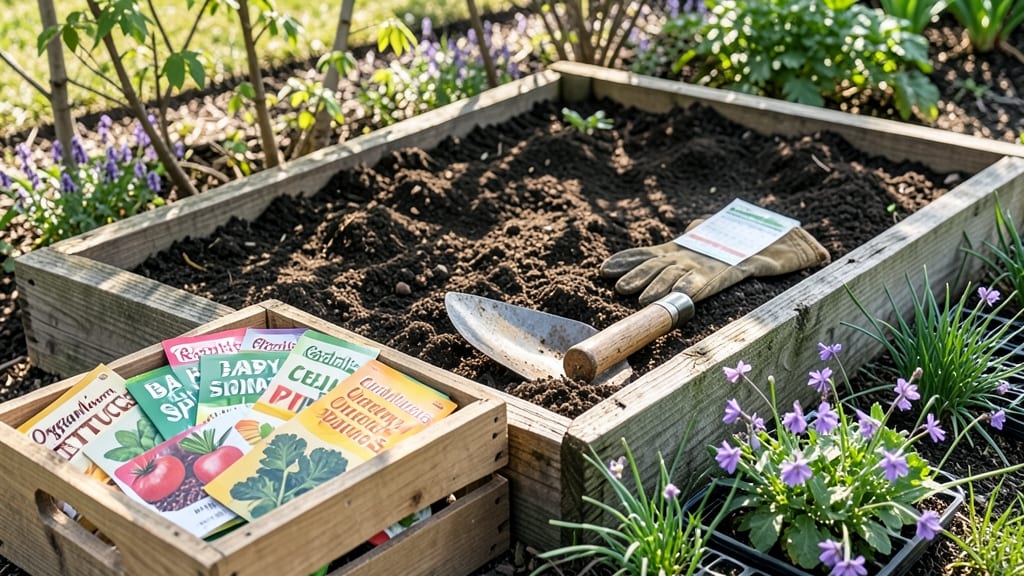
Timing when to plant a vegetable garden in New York isn’t just about luck—it’s about beating frost, outsmarting heat, and unlocking a harvest that rivals the best farmers' markets.
Whether you're in bustling NYC or Upstate's cooler zones, getting those seeds in the ground at the right moment means the difference between thriving 🥬 plants and wilted disappointment.
Most gardeners in zones 5b-7b know the drill: wait until after the last frost (usually around April 15), but rush it, and a late freeze can turn your green dreams to ice.
The key? Start cold-hardy crops like spinach and peas in late March or early April, while waiting until late May for heat-lovers like tomatoes and peppers.
But here’s the secret sauce: New York’s microclimates throw a wrench in the game. Urban areas warm up faster than rural spots, and a 5-degree difference can mean weeks between planting windows.
I’ll break down exactly when to start seeds indoors, transplant seedlings, and even squeeze in a second crop for fall harvests—no more guesswork, just green thumbs.
Ready to turn your backyard into a year-round produce powerhouse? Let’s dive into the exact planting schedule that’ll have your garden thriving from spring to frost, no matter where in New York you’re growing.
New York’s planting zones: when to start seeds vs transplant vegetables
New York spans USDA Hardiness Zones 5b-7b, creating distinct planting windows across the state. In Zone 6 (Upstate), the last frost typically hits April 15-30, while Zone 7 (NYC/Long Island) enjoys a 2-3 week earlier window.
Urban areas like Brooklyn often warm faster due to the "heat island effect", while rural zones may experience later frosts.
For cool-season crops, start seeds indoors 6-8 weeks before last frost (mid-February for NYC, late February for Upstate). Warm-season plants like tomatoes and peppers need soil temps above 60°F—wait until after May 15 in most regions. Always check Cornell Cooperative Extension’s frost maps for your exact location.
🌱 PRO TIP: Use row covers or cold frames to extend early planting by 2-3 weeks in Zone 6 areas.
| Planting Task | Zone 5b (Upstate) | Zone 6 (Suburban) | Zone 7 (NYC) |
|---|---|---|---|
| Indoor Seed Start (Cool Crops) | Late Feb - Early Mar | Mid Feb - Late Mar | Early Feb - Mid Mar |
| Outdoor Seed Start (Cold-Hardy) | Mid Apr - Early May | Late Apr - Mid May | Early Apr - Late Apr |
| Transplant Warm Crops | After May 20 | After May 10 | After May 1 |
| Fall Planting Window | Late July - Early Aug | Early Aug - Mid Aug | Mid July - Early Aug |
*Adjust dates 1-2 weeks earlier for urban microclimates (e.g., NYC rooftops).
Direct-sowing cool-season crops like peas and lettuce can begin 2-4 weeks before last frost in Zone 7, but Zone 5b gardeners should wait until soil temps reach 40°F. For warm-season transplants, harden off seedlings for 7-10 days before moving them outdoors—NYC’s sudden heat spikes can shock tender plants.
Upstate gardeners should prioritize fast-maturing varieties (e.g., ‘Early Girl’ tomatoes) to beat early fall frosts. In contrast, NYC’s longer growing season allows for successive plantings every 2-3 weeks from May through July. Always monitor Almanac frost predictions for real-time adjustments.
🌡️ KEY METRIC: Soil temperature at 6" depth should be 50°F+ for peas and 60°F+ for tomatoes before planting.
For container gardening (common in NYC), use heat-retentive fabrics to warm soil faster. In rural areas, raised beds warm up 2-3 weeks earlier than in-ground soil. Test your soil’s pH and fertility in early spring—aim for 6.0-7.0 pH and add compost to improve drainage in heavy NYC clay.
Remember: NYC’s urban heat islands can push last frost dates 1-2 weeks earlier than suburban areas. Use local weather stations (like Weather Underground) for hyper-local data. If you’re unsure, plant a few extra seeds—you can always thin later!
🌱 MY TOP TIP: Mark your calendar for June 1—this is the absolute last date to plant warm-season crops in Zone 5b for a fall harvest.
Cold-hardy vegetables for early spring planting in New York (before last frost)
New York’s early spring can be tricky—frost lingers while soil warms, but with the right cold-hardy crops, you can start planting as early as March in southern zones or April in Upstate areas.
These resilient vegetables thrive in 40–50°F soil and even light frosts, giving you a jumpstart on the growing season.
My top picks for early spring planting include peas, spinach, kale, radishes, lettuce, and Swiss chard. These crops not only tolerate cool temps but also bolt less quickly than heat-loving varieties, ensuring a steady harvest before summer heat sets in.
Here’s how to maximize their success with planting depth, spacing, and companion plants tailored to NYC’s microclimates:
For urban gardeners, use container gardening to extend the season—place pots near south-facing walls to trap heat and protect tender seedlings. Mulch with straw or leaves to insulate soil and retain moisture during NYC’s unpredictable spring rains.
Pro tip: Hardening off seedlings for 7–10 days before transplanting (even for cold-hardy crops) reduces shock. Acclimate them to wind and cooler temps by gradually increasing outdoor exposure during the day and bringing them in at night.
With these early spring crops, you’ll enjoy fresh harvests by late May or early June, just in time for summer’s heat-loving vegetables to take over. Start small, experiment with varieties, and use season extension tools like row covers to push your planting window even earlier.