
Planting
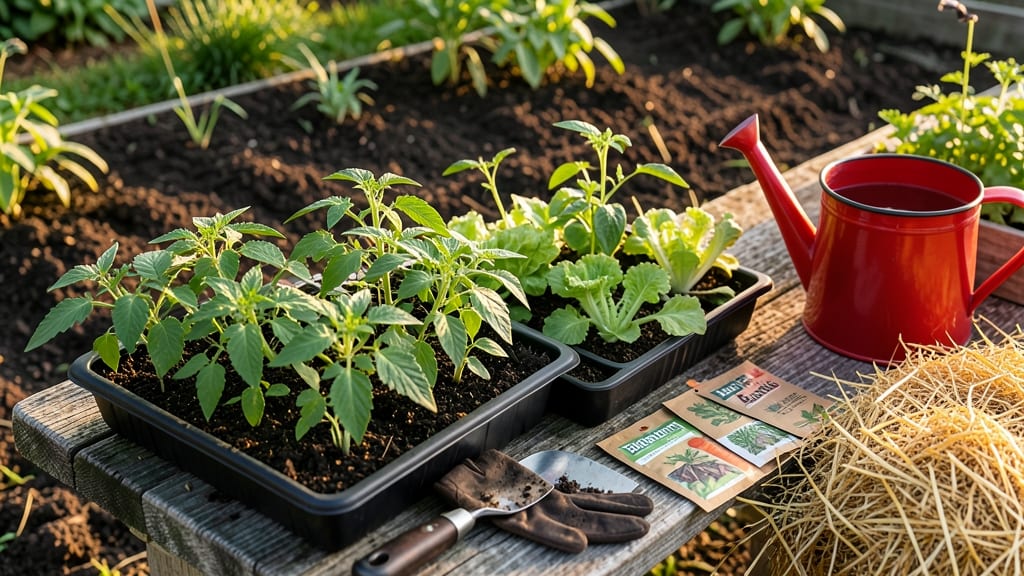
When to plant a garden in your zone isn’t just about checking a calendar—it’s about reading your soil’s secret language. Too early, and your greens bolt into bitter disappointment. Too late, and you miss the sweet spot for harvests. I’ve learned the hard way that timing matters more than most gardeners realize, especially in Zone 6a where frost can strike twice in a season.
Think of your garden as a delicate dance between warmth and chill. Cool-season crops like lettuce and spinach thrive when soil temperatures hover between 40°F and 60°F, while warm-season favorites need the ground to hit 60°F or above before they’ll even think about sprouting.
The key? Testing your soil’s temperature—not guessing by the date on your calendar. This small step can mean the difference between a thriving plot and a sad, wilted mess.
Whether you’re a first-time gardener or a seasoned pro, knowing when to plant is the foundation of success. I’ll walk you through the exact methods to test your soil, the ideal planting windows for your zone, and even how to stretch your growing season with simple hacks.
By the end, you’ll have a clear roadmap to avoid those frustrating bolted greens and maximize your harvests—no more second-guessing, just confident planting.
Ready to turn your garden dreams into reality? Let’s dig into the science and timing that will give you the edge every gardener wishes they had. Your future harvests will thank you!
How to test soil warmth for perfect planting times by zone
Planting your garden at the right time isn't just about checking the calendar—it's about understanding soil temperature. Cool-season crops like lettuce and spinach thrive in 40°F–60°F soil, while warm-season favorites like tomatoes need 60°F–70°F.
Testing your soil warmth ensures your plants grow strong instead of bolting prematurely. I’ve learned the hard way that planting too early can turn crisp greens into bitter, flowering stalks before harvest!
Start by investing in a simple soil thermometer, which costs under $10 and saves you from guesswork. These tools measure the temperature at the depth where roots grow—usually 2–4 inches deep.
For most gardeners, checking soil warmth in the late afternoon (when it’s warmest) gives the most accurate reading. If your soil is too cold, wait a few days and test again—patience here prevents wasted seeds and seedlings.
You can also use DIY methods if you don’t have a thermometer. Press your hand into the soil—if it feels cool but not freezing, it’s likely in the 50°F–60°F range, perfect for cool-season crops.
For warmer soils, if your hand feels warm or hot, it’s probably above 70°F, ideal for tomatoes, peppers, and cucumbers. This trick works best on cloudy days when soil temperatures are more stable.
Another pro tip: mulch can help regulate soil temperature. A thick layer of straw or leaves insulates the soil, keeping it warmer longer in spring or cooler in summer. I’ve used black plastic mulch to raise soil temperatures by 5–10°F in early spring, giving my warm-season plants a head start. Just
Now, let’s talk zone-specific benchmarks. In USDA Zones 3–5, soil may not warm up until late May or June, while Zones 7–10 can plant warm-season crops as early as March. The key is to know your last frost date and add 2–4 weeks to account for soil warming. For example, if your last frost is April 15, aim to plant warm-season crops by May 1 in cooler zones or earlier in warmer climates.
| Plant Type | Ideal Soil Temp (°F) | Zone Examples | Best Planting Window |
|---|---|---|---|
| Cool-Season Greens | 40°F–60°F | Zones 3–6 | Early spring (March–April) or fall (Aug–Sept) |
| Warm-Season Veggies | 60°F–70°F | Zones 7–10 | Late spring (April–May) or early summer |
| Herbs (Basil, Cilantro) | 50°F–75°F | Zones 5–9 | After last frost (May–June) |
| Root Veggies (Carrots, Beets) | 50°F–65°F | All zones | Early spring or late summer |
Don’t overlook microclimates in your garden. A south-facing bed warms up faster than a shady spot, so test soil temperatures in multiple locations. I once planted peppers in a sunny patch only to watch them wilt because the soil was still too cold—until I moved them to a warmer microclimate.
Pay attention to wind exposure too; windy areas cool down quicker and may need extra protection.
If you’re planting in containers or raised beds, soil warms up 1–2 weeks earlier than in-ground soil. This is because containers absorb and retain heat more efficiently.
For container gardeners, start testing soil temperatures 2 weeks before your usual planting date. Pro tip: Use black containers to absorb more sunlight and speed up warming.
Finally, keep a planting journal to track soil temperatures and success rates. Note which crops thrive at specific temperatures and adjust future plantings accordingly. Over time, you’ll develop a customized planting schedule tailored to your unique garden conditions.
This practice saved my arugula last year—it bolted in one bed but thrived in another, all because of a 5°F difference in soil temperature!
Now that you know how to test soil warmth, you’re ready to plant with confidence. Next, we’ll dive into zone-by-zone planting schedules to help you avoid those dreaded bolted greens once and for all. 🌱
Zone-by-zone planting schedule to avoid bolted greens
Your USDA zone dictates more than just frost dates—it determines when your soil warms enough for seeds to germinate.
In Zone 3, for example, cool-season crops like spinach can go in as early as late April, while Zone 10 gardeners plant the same greens in October to escape summer heat. Bolted lettuce isn’t inevitable if you align planting with your zone’s soil temperature averages.
Let’s break down the critical planting windows for USDA Zones 3–10, including adjustments for high-altitude and coastal microclimates. I’ll highlight deadlines for fast-bolting varieties like arugula (ready in 30 days) versus slow-bolting Swiss chard (up to 120 days).
| Zone | Last Frost | Ideal Planting Window | Soil Temp (°F) | Fast-Bolters |
|---|---|---|---|---|
| 3–4 | Mid-May | Late April–early June | 40–50°F | Arugula, radishes |
| 5–6 | Late April | Early April–mid-June | 45–55°F | Lettuce, kale |
| 7–8 | Mid-March | February–July | 50–60°F | Spinach, peas |
| 9–10 | None (warm year-round) | August–October | 60–70°F | Swiss chard, collards |
In high-altitude zones (e.g., Denver, CO), soil warms 2–3 weeks slower than sea level. Adjust planting by 10–14 days later than the table suggests. Conversely, coastal areas (e.g., San Francisco) may have cooler summers, allowing fall greens to thrive until November.
For succession planting, sow radishes every 2 weeks in spring to ensure a steady harvest before bolting. In Zone 5, for instance, plant radishes on April 15, May 1, and May 15 to stagger maturity.
This tactic works for bush beans too—start them when soil hits 60°F and repeat every 3 weeks until July 15.
Pro tip: Use shade cloth in Zones 9–10 during summer to protect greens from bolting. Even a 30% shade cover can extend the window for lettuce by 4–6 weeks. Pair this with daily watering to keep soil temps stable.
Remember, soil temperature trumps the calendar. Test yours with a soil thermometer—if it’s 10°F below the ideal range, wait. Your greens will thank you with crisp leaves instead of bitter bolts. 🌱