
Planting
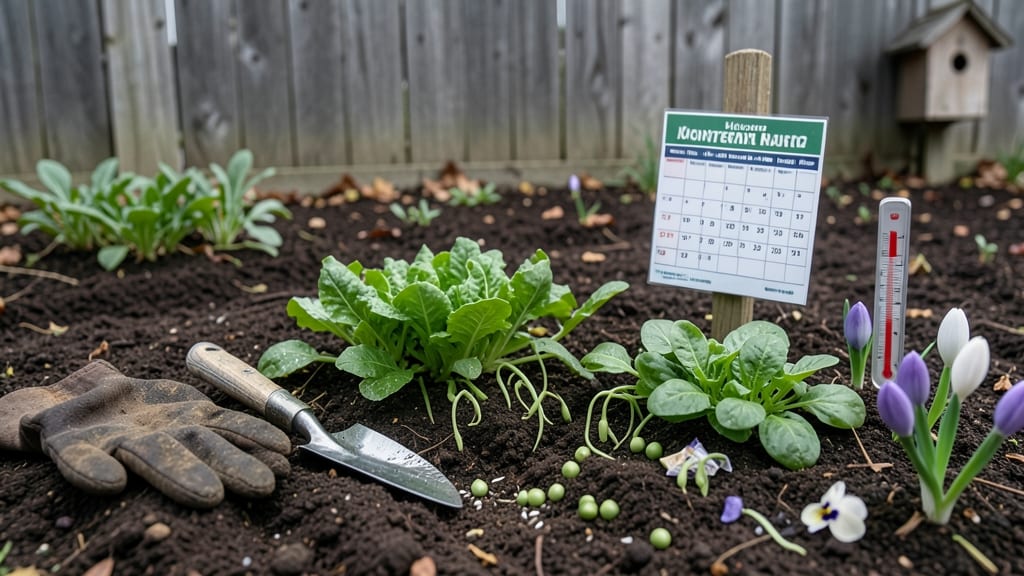
Timing your Missouri garden planting right means the difference between a bountiful harvest and wasted effort. Whether you're growing tomatoes in St. Louis or sweet corn in the Bootheel, getting the windows wrong can leave your plants struggling—or worse, frozen before they even sprout.
Missouri's climate varies dramatically across its 114 counties, with frost dates shifting from April 15 in northern zones to as late as May in southern regions. That means what works for a Kansas City gardener might fail spectacularly in the Ozarks.
The key? Understanding your local frost-free zone and adjusting planting schedules for both cool-season crops (like spinach) and warm-season favorites (tomatoes and peppers).
I'll break down the exact planting windows you need, including soil temperature tips and region-specific adjustments. No more guessing—just proven strategies to maximize your 🌱 General Garden yields, whether you're a first-time planter or a seasoned Missouri grower.
Ready to transform your garden's potential? Let's dive into the science and schedules that will have your plants thriving from March through October—no matter where in Missouri you're gardening.
Missouri’s frost-free dates by county: the exact windows for planting vegetables
Missouri’s 114 counties span USDA hardiness zones 5a-7a, meaning your last frost date could be as early as March 20 in the Bootheel or as late as April 30 in the Ozarks.
These differences create 30-day planting windows between regions—critical for timing cool-season crops like spinach and warm-season staples like tomatoes.
To simplify, I’ve grouped counties by frost-free zones and provided planting windows for Missouri’s top 12 crops. Use this as your county-specific planting calendar, adjusting for microclimates like urban heat islands or sheltered valleys.
For example, St. Louis (Zone 6b) has a last frost of April 15, while Kansas City (Zone 5b) waits until April 25.
🌱 Pro Tip: Check soil temperature with a probe—warm-season crops like peppers need 60°F+ soil for 2+ weeks before planting. Cool-season crops (e.g., lettuce) can tolerate 40°F+ soil.
Missouri Frost-Free Zones & Planting Windows
| Zone/Region | Last Frost | Warm-Season Start | Cool-Season End | Example Counties |
|---|---|---|---|---|
| Zone 5a (Early) | March 20–April 5 | April 15–May 1 | September 1–15 | Dunklin, Cape Girardeau, New Madrid |
| Zone 5b (Standard) | April 5–15 | May 1–15 | September 15–30 | St. Louis, Jefferson City, Columbia |
| Zone 6a (Late) | April 15–30 | May 15–June 1 | October 1–15 | Kansas City, Springfield, Joplin |
| Zone 7a (Rare) | April 30–May 10 | June 1–15 | October 15–31 | Southeast MO (e.g., Poplar Bluff) |
📍 Find Your County: Use the Missouri Climate Center for precise frost dates.
For warm-season crops (tomatoes, peppers, squash), plant 2–4 weeks after your last frost when soil warms to 60°F+.
In Zone 5a, this means April 15–May 1; in Zone 6a, it’s May 15–June 1. Cool-season crops (lettuce, peas, spinach) can go in 4–6 weeks before last frost—so March 1–March 15 in the Bootheel or April 1–15 in the Ozarks.
🌿 Missouri-Specific Tip: Start cool-season crops indoors in Zone 6a+ regions (e.g., Kansas City) to extend harvests. Use grow lights for seedlings 6–8 weeks before last frost.
Adjust for microclimates: Urban areas like St. Louis may experience 5–7°F warmer soil temps than rural zones due to heat islands. Test soil with a thermometer—if it’s 55°F+ for 5 days, it’s safe for warm-season transplants.
🌱 County Spotlight: In St. Louis (Zone 6b), plant tomatoes after May 1 and peppers after May 15 to avoid late spring frosts. Meanwhile, Bootheel gardeners (Zone 5a) can plant tomatoes as early as April 20 with row covers for protection.
Use succession planting to maximize yields: In Zone 5b, sow lettuce every 2 weeks from March 15–June 1 for continuous harvests. For bush beans, plant 3 successive batches every 2 weeks starting May 15.
💡 Missouri Pro Hack: Black plastic mul
How to adjust planting times for Missouri’s microclimates and soil types
Missouri’s varied landscapes—from the urban heat islands of St. Louis to the cool mountain valleys of the Ozarks—create unique microclimates that demand flexible planting strategies. Even within the same county, a south-facing slope might warm up 2 weeks earlier than a north-facing valley.
I’ve learned to adjust my planting calendar based on these nuances, especially when dealing with Missouri’s heavy clay soils that drain poorly.
For urban gardeners in cities like Kansas City or St. Louis, heat retention from pavement and buildings can push last frost dates back by 5-10 days.
Start warm-season crops like tomatoes or peppers in containers on April 1st and move them outdoors after May 1st when nighttime temps stay above 50°F. In contrast, rural areas like the Bootheel often experience frost until mid-April, so I wait until April 15th to plant heat-loving veggies.
🌱 Missouri Microclimate Adjustments
- St. Louis/Kansas City: Plant warm crops 2 weeks earlier due to urban heat islands.
- Ozark Mountains: Delay planting by 1-2 weeks for cooler microclimates.
- Bootheel: Wait until April 15 for frost-sensitive plants like squash.
- River Valleys: Use row covers to extend spring planting by 3 weeks.
- Northwest Missouri: Prioritize cold-hardy crops (kale, peas) for earlier harvests.
Missouri’s clay-heavy soils also play a huge role in planting timing. I always test my soil’s drainage and pH before planting—clay holds moisture longer, which can delay planting until soil warms to 60°F for warm-season crops.
Amending with compost or sand helps, but even then, I wait until late April in most regions. For container gardening, which heats up faster, I can plant peppers and eggplants as early as April 10th in pots and transition them outdoors after last frost.
Extending the growing season is key in Missouri’s short frost-free period (165 days on average). I use row covers to plant spinach or lettuce as early as March 1st and cold frames to keep kale or carrots growing until November 1st.
For warm-season crops, I start tomato and pepper seeds indoors by February 15th to get a head start, then transplant after May 1st when soil temps hit 60°F.
Don’t forget about succession planting—it’s my secret weapon for maximizing yields. In Missouri, I plant bush beans every 2 weeks from May 1st to June 15th to ensure a continuous harvest. Similarly, I direct-sow radishes every 3 weeks from March 15th to September 1st for a steady supply.
This strategy works especially well in container gardens or small urban plots where space is limited.
Finally, pay attention to moisture levels—Missouri’s spring rains can delay planting if soils stay too wet. I always check soil moisture by squeezing a handful; if it holds a shape but crumbles when pressed, it’s ready for planting.
For drought-prone areas like southwest Missouri, I mulch heavily to retain moisture and plant drought-tolerant varieties like zucchini or okra that thrive in heat.
By adjusting for your local microclimate and soil type, you can push Missouri’s growing season to its limits—giving you bigger harvests and fewer missed opportunities.
Start small, observe your garden’s unique conditions, and refine your timing each year. That’s how I’ve gone from frustrated beginner to confident Missouri gardener!