
Plants
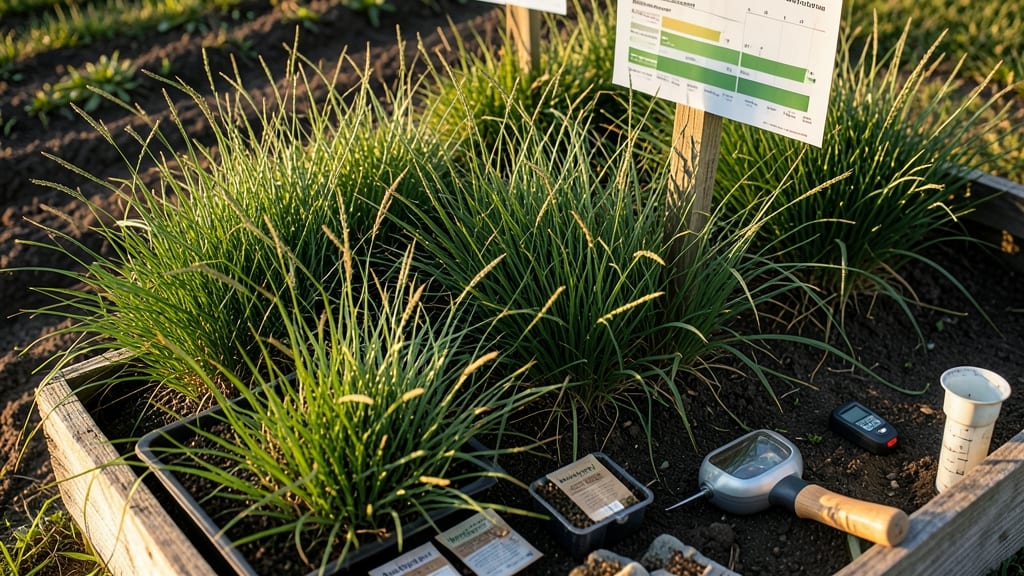
Planting grass seed at the wrong time in Missouri can mean the difference between a lush, green lawn and a patchy, struggling mess. With USDA Zones 5-6 bringing unpredictable swings between freezing winters and scorching summers, timing is critical for fast germination and strong root growth.
Most gardeners in Missouri know the ideal window is early spring to early fall, but the real secret lies in soil temperatures and avoiding extreme weather.
Cool-season grasses like Kentucky bluegrass thrive when planted 4-6 weeks before the last frost date, while warm-season varieties need the ground to warm up first.
Whether you're seeding in March-April or September-October, proper preparation makes all the difference. I'll walk you through exactly how to time your planting for maximum success, including soil prep tips and post-planting care that works for Missouri's climate.
Ready to grow a lawn that stays vibrant year after year? Let's dive into the perfect planting schedule for your Missouri yard, so you can enjoy that green grass without the guesswork.
Best planting windows for Missouri grass seed: spring vs fall timing guide
Missouri’s USDA Zones 5b-6b create a unique challenge for lawn care—hot summers and cold winters demand precise timing for grass seed planting. The ideal windows are early spring and early fall, when soil temperatures and moisture align perfectly for fast germination and strong root development.
Northern Missouri (closer to Zone 5) has a shorter growing season, while southern Missouri (Zone 6) enjoys slightly longer windows. Cool-season grasses like Kentucky bluegrass and tall fescue dominate Missouri lawns, thriving in these optimal planting periods when temperatures hover between 50°F and 75°F.
Here’s the golden rule: Plant when daytime highs are 60-75°F and soil temperatures reach at least 50°F. This ensures seeds germinate quickly without drying out or rotting. Missouri’s average last frost date is April 15, but regional variations mean northern areas may wait until May.
Early fall planting (September-October) is often more successful than spring because cooler air reduces stress on young seedlings. The soil stays warm enough for root growth, but evaporation rates drop, conserving moisture. Missouri’s first frost typically arrives October 15, so aim to finish planting by mid-September for best results.
| Planting Window | Soil Temp | Daytime Highs | Missouri Regions | Germination Time |
|---|---|---|---|---|
| Early Spring (March-April) | 50-60°F | 55-65°F | All regions | 7-14 days |
| Late Spring (May) | 60-70°F | 70-80°F | Southern MO only | 5-10 days |
| Early Fall (September-October) | 55-65°F | 60-70°F | All regions | 7-14 days |
| Late Fall (November) | Below 50°F | Below 55°F | Risky (avoid) | Slow/no germination |
Spring planting in Missouri requires patience—wait until after the last frost and when soil warms to 50°F. Northern Missouri gardeners should delay until late April or May to avoid late frosts that can kill tender seedlings.
Southern Missouri can start as early as March, but monitor forecasts for unpredictable cold snaps.
Fall planting offers the best success rates because cooler temperatures reduce weed competition and evaporation. Aim to finish by mid-October to give seedlings time to establish before winter dormancy. Northern Missouri should plant by September 15, while southern areas can extend until early October.
Missouri’s clay-heavy soils can slow germination, so always test soil moisture before planting. The top 2 inches of soil should feel like a damp sponge—not soggy, not dry. Use a soil thermometer to confirm temperatures meet the 50°F minimum for cool-season grasses.
Pro tip: Seed variety matters. Tall fescue germinates faster in cooler soils, while Kentucky bluegrass needs slightly warmer conditions. Buffalo grass, though drought-tolerant, struggles in Missouri’s clay unless planted in late spring when soil is warmer. Always check the seed packet for region-specific advice.
Missouri’s microclimates create local variations—urban areas with heat islands may need adjusted timing. Rural zones with more consistent temperatures can plant slightly earlier. Shady lawns benefit from fall planting, as cooler temps reduce fungal risks that plague spring seedlings in damp shade.
How to prepare your Missouri lawn for grass seed planting success
Preparing your lawn properly before planting grass seed in Missouri is the secret to fast germination and a lush, healthy turf. Missouri’s clay-heavy soils and unpredictable weather demand extra attention to detail—skipping prep steps often leads to patchy growth or wasted seed.
The key is creating the ideal conditions: loose soil, proper pH, and weed-free ground.
Start by testing your soil’s pH level (aim for 6.0 to 7.0 for most grass types). Missouri’s native soils often lean acidic, so you may need to add lime to adjust.
A simple home test kit or local extension office can provide accurate results. If your soil is too alkaline, sulfur or peat moss can help lower the pH naturally.
Next, clear the area of weeds and debris. Use a pre-emergent herbicide 2-3 weeks before planting to prevent weed seeds from sprouting. For existing weeds, a non-selective herbicide (like glyphosate) can be applied 1-2 weeks before tilling—just be sure to follow label instructions carefully to avoid harming nearby plants.
| Prep Step | Action | Timing |
|---|---|---|
| Soil Test | Check pH and nutrients | 4-6 weeks before planting |
| Weed Control | Apply herbicide or till | 2-3 weeks before planting |
| Tilling | Loosen soil 2-3 inches deep | 1 week before planting |
| Leveling | Smooth soil with rake | Day of planting |
| Fertilizer | Apply starter fertilizer | At planting time |
Once weeds are under control, use a rototiller or garden fork to loosen the top 2-3 inches of soil. This breaks up compacted clay and creates a seed-friendly environment. For small areas, a broadfork works just as well and requires less effort.
After tilling, rake the soil to create a fine, crumbly texture—this ensures good seed-to-soil contact, which is critical for even germination.
Before seeding, level the area by dragging a wooden board or rake over the soil to remove any remaining clumps or low spots. Pay special attention to low-lying areas where water pools—these spots can lead to rot or uneven growth.
If your soil is particularly heavy clay, mix in compost or sand to improve drainage and aeration.
Finally, apply a starter fertilizer with a high phosphorus content (look for a 5-10-10 or similar ratio) to encourage root development. Water the area lightly to help the fertilizer soak in, then you’re ready to plant.
Keeping the soil consistently moist (but not soggy) for the first 2-3 weeks after planting is crucial for seedling success.
With these steps, your Missouri lawn will have the perfect foundation for strong, rapid germination—no matter whether you’re planting in spring or fall. 🌱