
Companion Plants
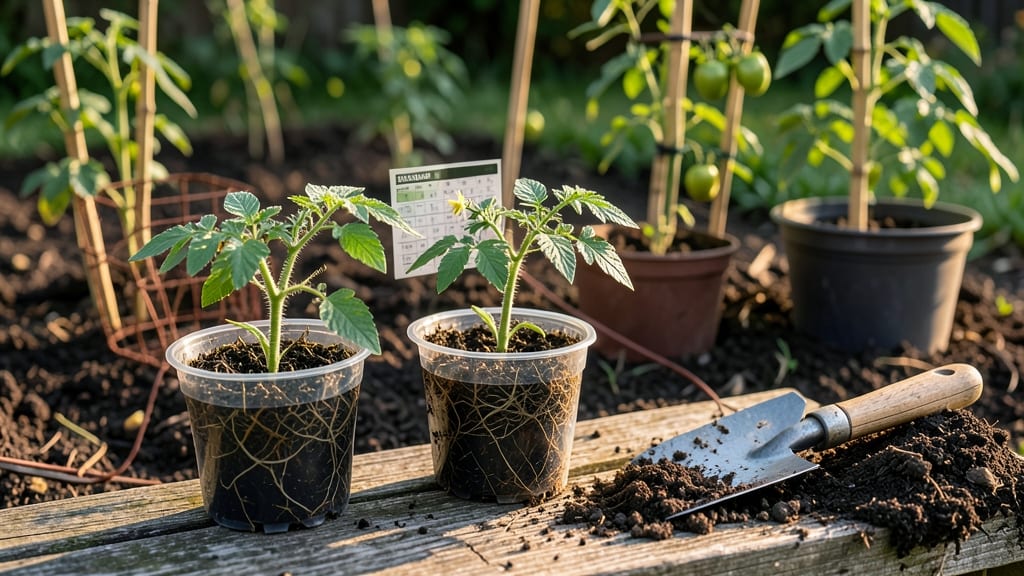
If you’ve ever watched your 🍅 tomato plants wilt overnight after a surprise frost, you know when should I plant tomatoes in Ohio is a question with high stakes.
Timing is everything in Ohio’s unpredictable spring, and the right planting window isn’t just about dates—it’s about soil warmth, microclimates, and avoiding those heartbreaking late-frost surprises that turn your green dreams into sad, shriveled memories.
Ohio’s USDA Zone 6a climate means you’ve got roughly 165 frost-free days to work with, but that window shifts depending on whether you’re in Columbus, Cincinnati, or Toledo.
I’ll break down the exact dates to plant—whether you’re starting seeds indoors in March or transplanting nursery plants after that critical last frost (usually around April 15).
Here’s the game-changer: even if you nail the calendar, soil temperature matters more than dates. Tomatoes need 60°F+ soil to thrive, and I’ll show you how to test it (yes, it’s easier than you think).
Plus, I’ll cover how to adjust for Ohio’s weird weather whiplash—like using row covers for early starts or choosing fast-maturing varieties to beat the clock.
Ready to go from “maybe next year” to “bountiful harvest by July”? Let’s dive into the frost-free timeline that’ll turn your Ohio garden into a tomato powerhouse—without the guesswork.
Ohio tomato planting dates by last spring frost date
Ohio’s diverse climate means your last spring frost date determines the perfect tomato planting window. Most regions experience frosts until mid-April, but northern areas like Cleveland can see late frosts into May.
To avoid frost damage, wait until soil temperatures hit 60°F—a critical threshold for tomato roots.
For gardeners in Southern Ohio (e.g., Cincinnati), the frost-free window typically opens by April 15, while Northern Ohio (e.g., Toledo) may wait until May 1. Columbus sits in the middle, with a mid-April average. Check your local USDA Zone 6a frost data for precision.
Here’s how to translate frost dates into actionable planting timelines for Ohio’s most common tomato varieties. Whether you’re starting seeds indoors or buying transplants, timing matters.
Ohio Tomato Planting Timeline by Region
| Region | Avg. Last Frost | Transplant Window | Seed Start Indoors | Soil Temp Threshold |
|---|---|---|---|---|
| Southern Ohio (Cincinnati) | April 15 | April 20–May 5 | March 1–15 | 60°F+ |
| Central Ohio (Columbus) | April 22 | May 1–15 | March 15–April 1 | 60°F+ |
| Northern Ohio (Toledo) | May 1 | May 15–30 | April 1–15 | 60°F+ |
| Northeast Ohio (Cleveland) | May 10 | May 20–June 5 | April 15–30 | 60°F+ |
⚠️ Pro Tip: Use a soil thermometer to confirm 60°F+ before planting. Cold soil stunts root growth.
If you’re starting seeds indoors, begin 6–8 weeks before your target transplant date. For Southern Ohio, that means March 1, while Northern Ohio gardeners should wait until April 1. Use grow lights to supplement weak winter sunlight and avoid leggy seedlings.
For nursery-bought transplants, harden them off for 7–10 days before moving outdoors. Acclimate seedlings to Ohio’s wind and sun exposure gradually to prevent shock. A sudden 50°F drop can kill tender young plants.
Ohio’s short growing season (about 165 frost-free days) favors early-maturing varieties. Choose tomatoes with 60–75 days to harvest for maximum yield. Indeterminate varieties (like 'Better Boy') need staking and may not fully ripen before frost, while determinate types (like 'Roma') produce all fruit at once.
To stretch your season, consider succession planting. After harvesting early varieties in July, replant with 60-day tomatoes like 'Stupice' to extend harvests into September. Just be sure to use row covers if nights dip below 50°F.
One common mistake? Planting too deep. Bury 1/3 of the stem when transplanting to encourage root growth. Also, avoid wet soil—tomatoes rot in soggy conditions. Amend your beds with compost and sand for drainage.
Finally, monitor Ohio’s extended forecast. A late frost in May can still hit Northern Ohio, so keep row covers handy. With the right timing, you’ll enjoy homegrown tomatoes from July to October!
How to adjust planting for Ohio’s unpredictable weather patterns
Ohio’s weather can throw curveballs—one week brings unexpected late frosts, the next delivers scorching heatwaves. The key to success? Flexible strategies that let you extend your tomato season safely.
I’ve learned to use row covers, cold frames, and succession planting to protect my plants from Mother Nature’s whims.
Start by monitoring your local microclimates. Urban areas often warm up faster than rural spots, while higher elevations may stay cooler longer. If you’re in Northern Ohio, consider starting seeds indoors 6-8 weeks before your average last frost date—usually by early March—to give yourself a buffer.
For Southern Ohio, where springs arrive earlier, you might even direct-sow seeds outdoors as early as mid-April under protective covers. The goal is to have transplant-ready seedlings by late April or early May, when soil temps hit 60°F+ consistently.
When late frosts threaten, row covers are my go-to. Lightweight fabric lets sunlight through while trapping warmth—perfect for protecting young plants until May 15. For extra insurance, use a cold frame or low tunnel to create a mini greenhouse effect.
These work wonders for early-season tomatoes like 'Stupice' or 'Mountain Merit'.
Heatwaves can also derail tomato growth. If temps hit 90°F+, your plants may drop flowers or develop blossom-end rot.
Mulch heavily with straw to keep roots cool, and provide afternoon shade with shade cloth if needed. Succession planting every 2 weeks after your first planting ensures a continuous harvest—even if early plants struggle.
Don’t forget to watch for Ohio’s microclimate quirks. A south-facing wall can add 5-10°F of warmth to your planting zone, while low-lying areas may stay frost-prone longer. Use these microclimates strategically—plant heat-loving varieties near warm spots and frost-sensitive ones in sheltered areas.