
Plants
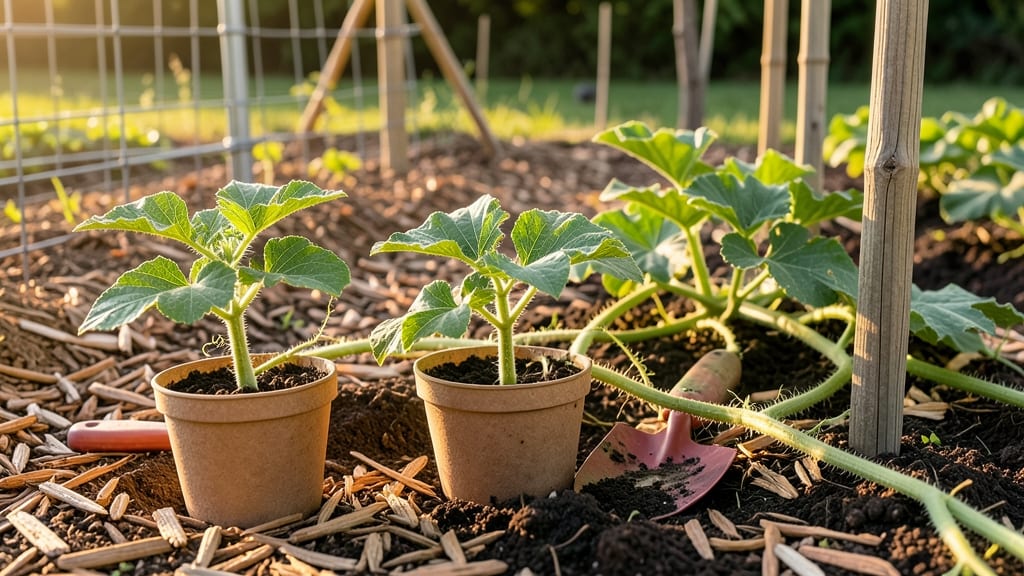
Timing your 🍉 watermelon planting in Florida isn’t just about avoiding frost—it’s about beating the heat before your plants bolt. Skip the guesswork, and you could end up with bitter, underdeveloped fruit or wasted effort.
The secret lies in waiting for soil temperatures to hit that 70°F sweet spot, which transforms your garden from a gamble into a guaranteed harvest.
Florida’s frost-free year-round climate gives you two prime windows to plant: spring (March–May) and summer (July–August). But here’s the catch—plant too early, and your seedlings will languish in cool soil; too late, and the scorching sun will send your vines into premature flowering.
I’ll show you exactly how to read the soil, pick the right varieties, and time your planting for zero bolt risk and maximum sweetness.
Whether you’re a backyard gardener or managing a commercial plot, getting this right means fewer wasted seeds and more juicy, vine-ripened melons.
Let’s break down the science behind Florida’s microclimates, the best soil temperature triggers, and how to adjust your schedule for unpredictable weather—so you can go from seed to harvest like a pro.
Ready to turn your watermelon dreams into reality? Grab your soil thermometer, and let’s dive into the perfect planting strategy tailored just for Florida’s heat. Your next harvest starts with the right timing—and trust me, it makes all the difference.
Florida watermelon planting calendar: soil temperature triggers for zero bolt risk
Watermelons are heat-loving plants, but Florida’s unpredictable spring temperatures can derail your harvest if you plant too early. The key to success? Soil temperature—not air temperature. Seeds need soil that’s at least 50°F (10°C) to germinate, but vines thrive only when soil hits 70°F (21°C) or warmer.
Florida’s microclimates mean planting windows vary by region. North Florida (like Jacksonville or Gainesville) has cooler springs, while South Florida (Miami or Fort Lauderdale) can plant earlier. Central Florida (Orlando or Tampa) falls somewhere in between.
Here’s the golden rule: Use a soil thermometer to check temperatures 2–3 inches deep. If it’s below 70°F (21°C), hold off—your seeds will rot or bolt (flower prematurely) in the heat.
| Region | Ideal Planting Window | Soil Temp Requirement | Harvest Window |
|---|---|---|---|
| North Florida | Mid-April to early May | 70°F+ (21°C+) | June–September |
| Central Florida | Late March to mid-April | 70°F+ (21°C+) | May–August |
| South Florida | February–March or July–August | 70°F+ (21°C+) | April–June or September–November |
🌱 Pro Tip: South Florida can plant watermelons twice a year—spring and summer!
For direct sowing (planting seeds outdoors), aim for 2–3 weeks after your last frost date—though Florida’s frost-free zones (9a–11) mean you can plant year-round if soil temps cooperate. If you’re starting indoors, begin seeds 4–6 weeks before your target outdoor date.
Watch for false starts: A cold snap in April can stall germination. If nighttime temps dip below 55°F (13°C), use row covers or wait until soil warms up again. Raised beds warm up faster than in-ground soil, giving you a 2-week head start in cooler regions.
Summer planting is a game-changer for South and Central Florida. After the June solstice, days shorten, and temps drop slightly—perfect for a second crop. Plant seeds in July–August for harvests in September–November, avoiding the hurricane season rush.
If you’re in North Florida, consider cold-hardy varieties like ‘Crimson Sweet’ for earlier planting. These tolerate slightly cooler soils (down to 60°F/16°C) but still need full sun to thrive. Always mulch heavily to retain soil warmth and moisture.
Timing isn’t just about when you plant—it’s also about spacing. Watermelons need 3–6 feet between vines to sprawl. In Florida’s heat, thin seedlings to 12–18 inches apart to prevent disease and improve air circulation. Overcrowding = poor yields.
For commercial growers, staggered planting every 2 weeks extends harvests. Home gardeners can mimic this by planting half their seeds in March and the other half in July—double the juicy payoff!
How to adjust planting time for Florida’s unpredictable weather patterns
Florida’s weather is famously unpredictable—one day it’s balmy, the next it’s a hurricane warning. For watermelons, this means staggered planting isn’t just smart; it’s essential. If you plant all your seeds at once and a heatwave hits, your seedlings may bolt (flower too quickly).
Conversely, a late cold snap in North Florida could stunt growth. The key? Flexible timing based on real-time conditions.
Start by monitoring soil temperatures daily. Watermelon seeds need at least 70°F (21°C) to germinate. Use a soil thermometer (just $10 at garden centers) to check before planting.
In North Florida, aim for mid-April to early May—after the last frost risk (though frost is rare, late cold snaps can still happen). In Central and South Florida, you can plant as early as late February to March.
Here’s my pro tip: Plant in two waves. First, sow a small batch in early spring (March) for a June harvest. Then, follow up with a second batch in late June to early July for a fall harvest before hurricane season peaks.
This way, you’re never left without fresh watermelons—and you hedge against weather surprises.
- Early Heatwaves (April-May): Seedlings can bolt if soil temps exceed 85°F (29°C).
- Hurricane Season (June-November): Young plants need sturdy support or raised beds to survive flooding.
- Late Cold Snaps (North FL): Even 50°F (10°C) nights can stress seedlings.
For extra protection, use row covers or black plastic mulch to warm the soil faster. Mulch also suppresses weeds and retains moisture—critical in Florida’s intense sun.
If you’re in South Florida, you can even plant year-round with shade cloth during the hottest months (August-September) to prevent fruit scorch.
Don’t forget spacing. Watermelon vines need 3-6 feet of space to sprawl. In small gardens, use trellises to save space, but be prepared for smaller yields since watermelons thrive when they can trail on the ground.
For commercial plots, plant in wide rows (6-8 feet apart) to allow machinery access and improve airflow.
Finally, keep an eye on the forecast. If a storm is brewing, harvest ripe melons first and protect young plants with temporary covers. With these adjustments, you’ll turn Florida’s chaos into a watermelon-growing advantage. 🌱