
Trees
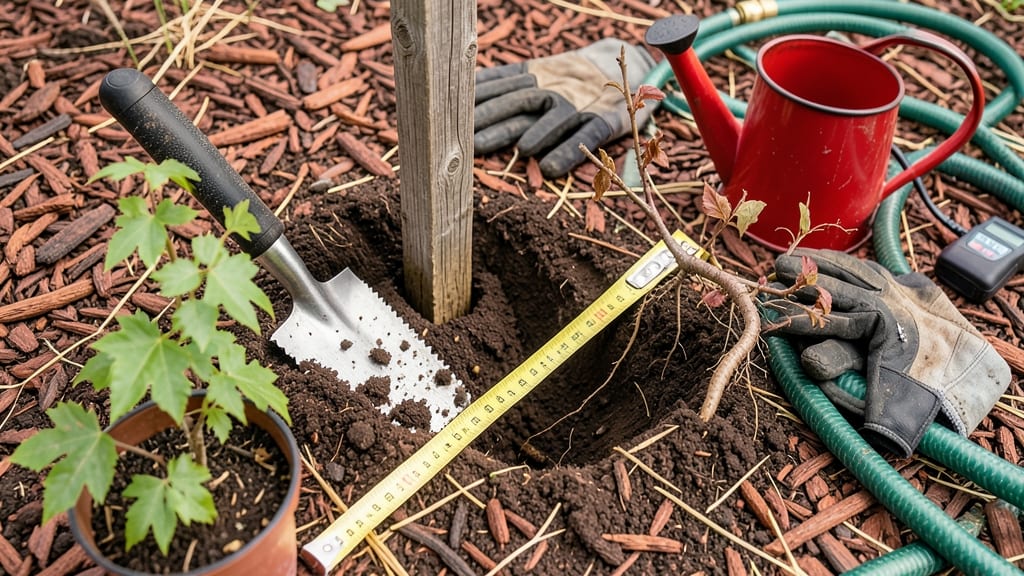
Planting a 🌳 in Wisconsin isn’t just about digging a hole—it’s about when is the best time to plant trees in Wisconsin so your tree stands the best chance of thriving for decades.
The ideal window depends on whether you’re working with bare roots or container-grown saplings, but the science points to two golden periods: early spring and fall.
Why does timing matter so much? Because Wisconsin’s 4b-5b climate swings between harsh winters and unpredictable frosts, and planting at the wrong time can leave your tree struggling to establish roots before the cold sets in.
I’ll break down the exact months to aim for—plus how to prep your soil and choose species that handle Wisconsin’s microclimates like pros.
Spring planting gives young roots a head start before summer heat, while fall offers cooler temps and moisture for steady growth. But there’s more to it than just picking a season—soil temperature, frost dates, and even your tree’s native hardiness play a role.
Let’s dive into the most efficient strategies to ensure your new trees take root and grow strong.
Whether you’re restoring a backyard or planting for future shade, getting the timing right means fewer headaches and more rewards. I’ll cover everything from soil checks to species selection, so you can confidently plant your 🌳 at the optimal moment—no guesswork required.
Wisconsin tree planting calendar: best months for spring vs fall success
Wisconsin’s USDA hardiness zones 4b-5b create a tight window for planting trees—too early and roots freeze, too late and trees struggle to establish before winter. The golden rule is planting when soil temperatures stay above 50°F for root growth but before extreme heat or frost arrives.
Let’s break down the science-backed months that work best for your region.
Northern Wisconsin (zones 3-4) has shorter frost-free seasons (around 120 days), while southern Wisconsin (zone 5) enjoys 140+ frost-free days. This means timing shifts by 2-4 weeks between regions. For example, Duluth’s ideal window is late April to early October, while Madison’s stretches to mid-November.
Here’s the comparison table for Wisconsin’s planting seasons, accounting for soil thaw, frost risks, and species-specific needs:
| Season | Ideal Months | Soil Temp Requirement | Key Considerations |
|---|---|---|---|
| Spring | March–April (bare-root) April–May (container-grown) |
45–55°F (roots active) | Plant before buds break (late April). Northern WI: wait until after last frost (mid-May). |
| Fall | September–October (bare-root) October–November (container-grown) |
50–60°F (roots establish) | Plant 4–6 weeks before first frost. Southern WI: up to mid-November; Northern WI: by October 1. |
| Winter | December–February | N/A (dormant season) | Avoid planting unless using container-grown trees in mild microclimates (e.g., urban heat islands). |
| Summer | June–August | 60°F+ (stressful for roots) | Only container-grown trees with deep watering (15+ gallons weekly). High transplant shock risk. |
Spring planting in Wisconsin is all about speed.
Once soil thaws (typically mid-April in southern WI to May in the north), roots need to establish before summer heat arrives. Bare-root trees are best planted in early spring (March–April) when they’re still dormant but soil is workable. Container-grown trees, however, can handle late spring (May) because their roots are already established.
Fall planting, on the other hand, gives trees 6–8 weeks to establish roots before winter. The sweet spot is September–October, but timing depends on your last frost date.
In Madison, aim for mid-October; in Green Bay, wrap up by early October. White pines and birch trees thrive when planted in fall, while oaks and maples prefer spring.
One common mistake? Planting too late in fall. If roots don’t establish before ground freezes, your tree’s survival rate drops by 30–50%. To test soil readiness, stick a soil thermometer 6 inches deep—if it’s below 50°F, wait.
For container-grown trees, you can push the envelope slightly, as their root balls insulate them better.
Regional microclimates play a huge role. Urban areas like Milwaukee stay warmer, extending the fall window to November, while rural northern WI may need to plant by September 15.
If you’re unsure, check your local USDA zone and ask nurseries about neighborhood frost patterns. For example, low-lying areas frost earlier than south-facing slopes.
Watering strategies differ by season. In spring, focus on deep watering every 5–7 days to encourage root spread. In fall, reduce to bi-weekly as temperatures drop. Use mulch (3–4 inches) to insulate roots and retain moisture—this is critical in Wisconsin’s freeze-thaw cycles.
Avoid overwatering in late fall, as soggy soil can rot roots before winter.
For bare-root trees, soak roots for 1–2 hours before planting to rehydrate them. If planting in fall, water thoroughly before the first hard frost to ensure moisture reaches deep roots.
In spring, prioritize watering within 24 hours of planting to reduce transplant shock. Pro tip: Use a tree watering bag for slow, consistent moisture in extreme heat or cold snaps.
Wisconsin’s unpredictable weather means flexibility is key. If you miss the ideal window,
How soil temperature and root growth determine planting timing
Wisconsin’s soil temperature isn’t just about comfort—it’s the deciding factor for when your tree’s roots can establish. When soil hits 50°F, roots wake up and start growing.
Below that? They’re dormant, and planting risks shock. I’ve learned the hard way that rushing too early can leave trees struggling through late frosts.
In my experience, spring planting should wait until soil warms consistently. Use a soil thermometer to check—if it’s below 50°F for more than a few days, delay. Fall planting is safer because cooler air temps match the soil’s natural cooling, giving roots time to settle before winter dormancy.
🚨 Callout Warning 🚨
⚠️ Don’t Plant When Soil is Too Cold
Cold soil (40°F or below) slows root growth, increasing transplant shock risk. In Wisconsin, this often happens in early spring (March) or late fall (November). Wait for stable 50°F+ soil temps—typically late April to early May for spring or mid-September to early October for fall.
🌱 Pro Tip: Test soil depth (6 inches down) where roots will grow. Morning temps are most accurate.
Root growth isn’t just about temperature—it’s also about moisture and oxygen. Compacted or waterlogged soil suffocates roots, so I always loosen the soil 12-18 inches deep before planting. Adding compost or organic matter improves drainage and aeration, which is critical in Wisconsin’s clay-heavy soils.
Different tree species have varying tolerance for cold soil. For example, sugar maples and bur oaks can handle cooler temps better than fruit trees like apples or pears. Always match your tree to your microclimate—a sheltered south-facing slope warms faster than an exposed north-facing yard.
One mistake I’ve seen gardeners make is planting bare-root trees too early. These trees need their roots to establish quickly, so I recommend planting them as soon as soil is workable in early spring (March-April) or late fall (October-November) before the ground freezes.
Container-grown trees are more flexible but still benefit from soil temps above 50°F.
To check soil readiness, stick a soil thermometer in the ground for a few hours. If it’s consistently 50°F or warmer at 6-inch depth, it’s time to plant.
In Wisconsin, this usually aligns with late April for spring and mid-September for fall, but always verify with local USDA hardiness zone guidelines.
Remember, root growth is the key to long-term success. Trees planted in the right window with proper soil conditions will establish faster, resist disease better, and grow stronger for decades. Don’t rush—patience in planting pays off in a thriving landscape. 🌳