
Trees
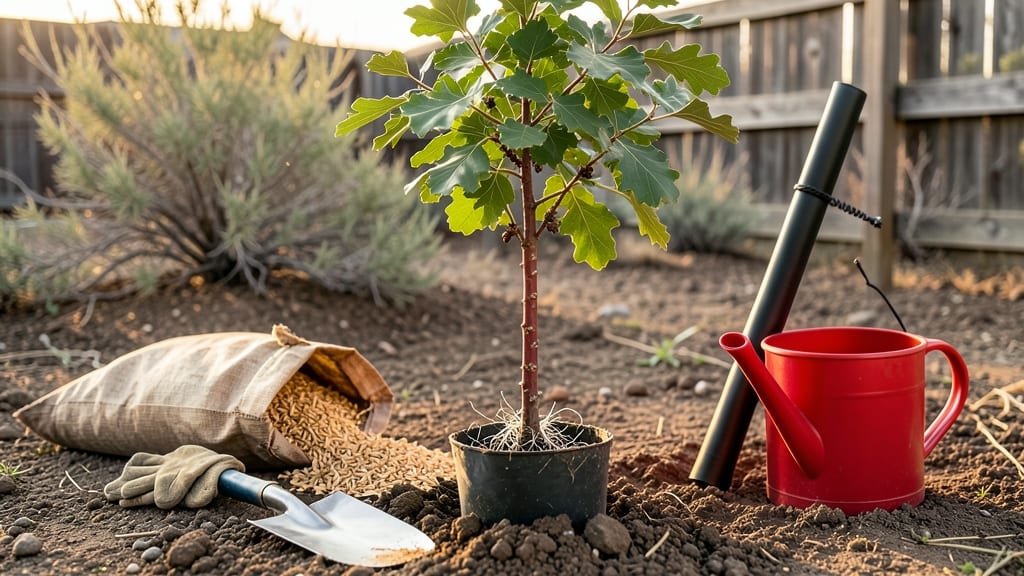
Timing your 🌳 tree planting in Utah isn’t just about grabbing a sapling—it’s about outsmarting the state’s tricky climate. Skip the wrong window, and your tree could struggle for years, if it survives at all.
Get it right, though, and you’ll set the stage for decades of shade, beauty, and even wildlife benefits.
Utah’s USDA zones 5-9 and dramatic elevation shifts mean one-size-fits-all advice won’t cut it. Whether you’re in the Wasatch Front’s urban heat islands or the high desert’s cooler microclimates, soil warmth and frost dates dictate when to dig.
We’re talking late winter to early spring or fall—but not just any fall.
Most gardeners focus on spring, but Utah’s fall window—especially September to October—often gives trees a head start on root growth before winter. The key? Avoiding those last-minute frost surprises that can freeze tender roots.
I’ll break down exactly how to read your local cues, from soil temperature tests to elevation adjustments.
Ready to plant with confidence? You’ll learn which native trees thrive when planted at these optimal times, how to prep your site for Utah’s alkaline soils, and the 3 biggest mistakes that kill even the hardiest seedlings.
Let’s get your tree off to the right start—because in Utah, timing really is everything.
Utah’s ideal tree planting windows by elevation: soil warmth rules explained
Utah’s diverse geography—from the low deserts of St. George to the high mountains near Park City—means there’s no single "best" time to plant trees. The key factor is soil temperature, not just calendar dates.
In USDA zones 5-9, your elevation dictates whether you should plant in early spring (March–April) or fall (September–October).
For example, in Salt Lake City (zone 6), soil warms to 50°F (10°C) by mid-April, perfect for planting. But in Moab (zone 7), you can start as early as February when soil thaws.
Meanwhile, high-elevation areas (8,000+ ft) like Ogden may need to wait until May to avoid late frosts.
Soil temperature is critical because roots need warmth to establish. Use a soil thermometer to check: aim for 45–60°F (7–15°C) for most trees. In Utah’s arid climate, fall planting often works better—trees establish roots before winter dormancy, reducing transplant shock.
Microclimates add another layer. A south-facing slope in Utah County warms faster than a north-facing valley, so adjust your timing accordingly. Even within cities, urban heat islands can create 5–10°F warmer soil than rural areas.
| Elevation Zone | Soil Temp Goal | Best Planting Window | USDA Zone | Microclimate Notes |
|---|---|---|---|---|
| Low Desert (2,000–4,000 ft) | 50–60°F (10–15°C) | February–March or September–October | 7b–9a | Warmer soil; avoid summer heat |
| Mid-Elevation (4,000–7,000 ft) | 45–55°F (7–13°C) | March–April or September | 6a–7a | Watch for late spring frosts |
| High Mountains (7,000+ ft) | 40–50°F (4–10°C) | May–June or August–September | 5a–6b | Short growing season; prioritize fall |
Fall planting (September–October) is often ideal because cooler temperatures reduce stress on young trees. In Utah’s dry climate, fall also means less competition for water from summer heat. However, avoid planting after first frost dates, which can vary by 2–4 weeks across the state.
For container-grown trees, you have more flexibility—plant anytime soil isn’t frozen. But bare-root trees need dormant-season planting (late fall or early spring) to minimize transplant shock. In Utah’s alkaline soils, amending with compost or peat moss can help roots establish faster.
Pro tip: Check your local Utah State University Extension office for frost date averages in your area. They also offer free soil tests to check pH and nutrient levels before planting. In high-desert regions, mulch heavily (3–4 inches) to retain moisture and regulate soil temperature.
Remember, native Utah trees like quaking aspen and Colorado blue spruce adapt better to local conditions than non-native species. Planting them at the right time ensures they thrive for decades—providing shade, wildlife habitat, and beauty for generations.
Top 5 trees that thrive when planted at Utah’s optimal times (with planting tips)
Utah’s diverse climate means some trees thrive in low-desert heat, while others love high-elevation coolness. Choosing the right species for your USDA hardiness zone and planting them at the optimal window ensures faster establishment.
Here are my top 5 picks for Utah gardeners, along with species-specific tips to maximize success.
First, the Colorado Blue Spruce (Picea pungens) is a Utah classic. This evergreen handles USDA zones 3-7 and performs best when planted in late fall (October) or early spring (March–April).
Its deep roots tolerate Utah’s alkaline soils, but avoid planting in frost pockets—young trees need consistent moisture without freezing.
Best planted: October or March–April
Soil: Well-draining, slightly acidic
Water: Deep soak weekly first year
Tip: Mulch with pine needles to retain moisture
Best planted: April–May
Soil: Drought-tolerant, sandy
Water: Every 2–3 weeks after establishment
Tip: Plant in full sun for vibrant blooms
Best planted: September–October
Soil: Moist, well-draining
Water: Daily for first month, then reduce
Tip: Avoid compacted soil—aspens hate root restrictions
Best planted: March–April
Soil: Poor, rocky, or alkaline
Water: Minimal—drought-resistant
Tip: Prune only to shape—juniper hates heavy trimming
Best planted: Fall (September)
Soil: Well-draining, slightly clay
Water: Weekly until roots establish
Tip: Plant near south-facing walls for spring blooms
For high-elevation areas (like Park City or Moab), prioritize fall planting—cooler temps reduce transplant shock. In low-desert zones (St. George), opt for spring planting to avoid summer’s scorching heat. Always water deeply after planting, and mulch heavily to protect roots from Utah’s temperature swings.
Pro tip: Buy bare-root trees in early spring for better root development, or container-grown varieties if planting in summer. Local nurseries like Desert Garden Nursery (St. George) or Wasatch Garden Nursery (Salt Lake City) stock Utah-adapted species—ask for disease-resistant varieties to cut maintenance.
With the right tree and timing, you’ll see faster growth and longer lifespan—because Utah’s climate rewards the right prep work. Happy planting! 🌳