
Trees
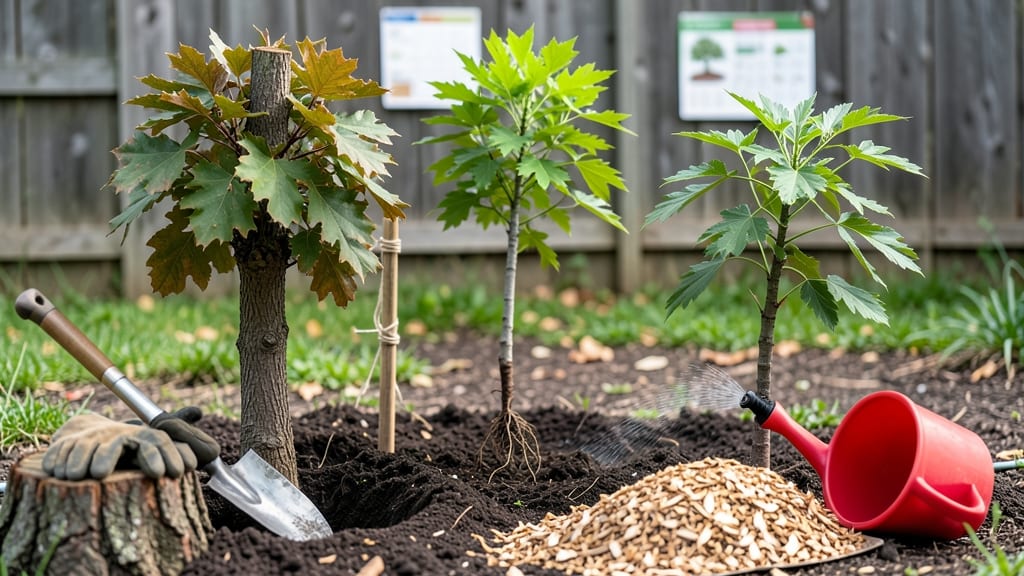
If you've ever wondered "when is the best time to plant trees in Illinois", the answer isn't as simple as "spring" or "fall"—it's about understanding your exact USDA zone, frost patterns, and even the type of tree you're planting.
Getting this wrong can mean struggling survival rates, even for hardy species like oaks or maples.
Here's the thing: Illinois' 5a-6b climate creates a delicate window where timing makes all the difference. Plant too early, and frost can damage tender roots; too late, and your tree might not establish before winter sets in.
The ideal moments? Early spring (March-April) when soil warms, or fall (October-November) when temperatures cool.
But it's not just about months—it's about microclimates. Northern Illinois faces earlier frosts than southern regions, and fruit trees have different needs than shade trees. I'll walk you through exactly how to read frost data for your specific area and match it to your tree's needs.
Ready to plant with confidence? Let's break down the perfect planting calendar for Illinois, including species-specific tips, soil prep secrets, and how to avoid common mistakes that kill trees before they even take root.
Illinois planting windows by tree type: best months for deciduous, evergreen, and fruit trees
Timing your tree planting in Illinois isn't just about the calendar—it's about understanding how USDA Zones 5a-6b interact with your specific tree species.
The golden windows for planting are early spring (March-April) and fall (October-November), but the exact timing depends on whether you're planting deciduous, evergreen, or fruit-bearing trees.
For deciduous trees like oak, maple, and birch, the fall planting window (October) gives roots time to establish before winter dormancy.
Meanwhile, evergreens such as pine and spruce prefer spring planting (April) to avoid winter desiccation. Fruit trees like apple and cherry have their own ideal timing, often requiring bare-root planting in early spring.
Here's how Illinois' frost-free period (typically 160 days) impacts your choices: Plant too early, and you risk frost heave damaging young roots. Plant too late, and your tree may struggle to establish before winter sets in.
Let's break down the best planting windows by tree type to maximize your success rate.
| Tree Type | Best Planting Window | Key Considerations | Illinois-Specific Tip |
|---|---|---|---|
| Deciduous Trees (Oak, Maple, Birch) | Fall (Oct) or Early Spring (Mar-Apr) | Establish roots before dormancy | Avoid planting after Oct 15 in northern IL |
| Evergreens (Pine, Spruce, Fir) | Early Spring (Apr) only | Prevent winter desiccation | Use windbreaks for first winter |
| Fruit Trees (Apple, Cherry, Pear) | Early Spring (Mar) or Dormant Season | Bare-root preferred; faster establishment | Plant before buds swell in spring |
| Shade Trees (Linden, Walnut) | Fall (Oct) or Early Spring (Mar) | Large root balls need time to settle | Avoid waterlogged soils in spring |
| Container-Grown Trees (All Types) | Year-Round (except extreme heat/cold) | Flexible timing with proper care | Water daily first week after planting |
Let's dive deeper into why these windows work for Illinois. The spring window (March-April) aligns with soil warming and bud break, giving trees a 6-8 week head start before summer heat arrives.
Meanwhile, the fall window (October) allows roots to establish before winter dormancy, with many nurseries offering discounted bare-root trees during this period.
For northern Illinois (Zone 5a), aim to plant by April 15 in spring or October 1 in fall, while southern Illinois (Zone 6b) can extend these windows by 2-3 weeks.
This regional variation means checking your local frost dates is critical—Chicago's last frost often comes 2 weeks later than Springfield's.
One common misconception is that larger trees can be planted anytime. In reality, trees over 15 feet tall should only be planted in early spring when their root systems can establish before summer stress.
The root flare (where roots meet trunk) must be visible above soil level to prevent girdling as the tree matures.
For fruit trees, timing is especially critical. Apple and cherry trees planted in early spring (March) will bear fruit 3-4 years sooner than those planted in fall.
The key is to plant when soil temperatures reach 45°F—use a soil thermometer to check before digging. In Illinois, this typically occurs mid-to-late March in most regions.
Remember that container-grown trees offer more flexibility—they can be planted year-round in Illinois, but avoid extreme heat (July-August) and deep freezes (January-February). These trees come with established root balls, so their transplant shock is reduced compared to bare-root varieties.
Your success rate improves dramatically when you match the planting window to both tree type and Illinois' microclimates. Whether you're planting a 100-year oak or a dwarf apple tree, understanding these windows will give your new trees the best possible start in their new home.
2024 Illinois frost date map: how to use average last/first frost data for risk-free planting
Understanding Illinois frost dates is critical for planting trees successfully. The average last frost typically arrives between April 15 and May 1, while the first frost usually hits October 15 to November 1.
However, these dates vary dramatically across the state—Chicago’s lake-effect climate delays frost, while rural areas experience earlier freezes.
For bare-root trees, plant after the soil warms to 40°F (early April in southern Illinois, late April in the north). Container-grown trees offer more flexibility but still need soil temperatures above freezing. Always check local USDA Zone 5b-6a variations before digging.
Northern Illinois (e.g., Chicago, Rockford) has 140-150 frost-free days, while southern Illinois (e.g., Springfield, St. Louis metro) enjoys 180-200 days. Use the Illinois State Climatologist’s frost maps to adjust your timeline—planting too early risks frost heave, while late planting may stunt root growth before winter.
| Region | Last Frost Date | First Frost Date | Frost-Free Days | Best Planting Window |
|---|---|---|---|---|
| Northern IL (Chicago) | April 25-May 10 | October 20-November 5 | 140-150 | May 15-October 15 |
| Central IL (Springfield) | April 10-April 25 | October 10-October 25 | 160-170 | April 30-September 30 |
| Southern IL (St. Louis) | March 25-April 10 | November 1-November 15 | 180-200 | April 15-October 31 |
For evergreen trees, prioritize fall planting (September-October) to allow roots to establish before winter. Deciduous trees like oaks and maples thrive when planted in early spring (April) or late fall (November), giving roots time to harden off before frost.
Always amend soil with compost to improve drainage—Illinois’ clay-heavy soils can suffocate young roots.
Pro tip: Use a soil thermometer to confirm ground temps are above 50°F before planting. In Zone 5b areas, wait until May 1 for container-grown trees to avoid late frosts. For fruit trees, align planting with dormant season (late winter/early spring) to sync bloom times with pollinators.
Monitor local weather forecasts the week before planting—even a light freeze can damage tender roots. If frost is forecasted, delay planting until conditions stabilize. Mulch heavily (3-4 inches) after planting to insulate roots and retain moisture during Illinois’ unpredictable springs.