
Plants
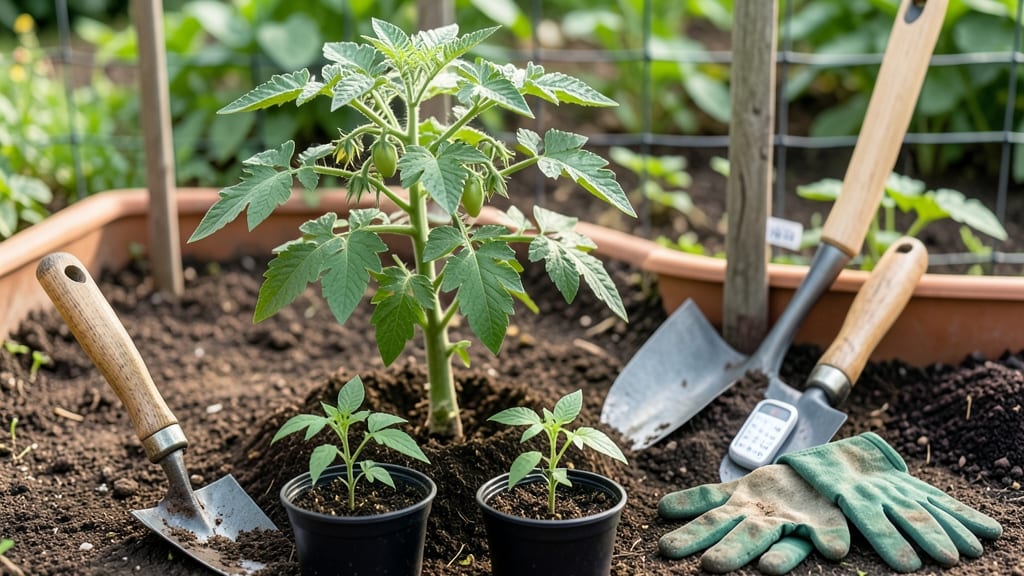
The best time to plant tomatoes in Tennessee isn’t just about waiting for spring—it’s about catching that sweet spot after frost danger passes and soil warms up.
For USDA Zones 7A/7B, that window opens around mid-April to mid-May, when temperatures consistently stay above 60°F and your 🍅 plants can thrive without shock.
Why does timing matter so much? Plant too early, and a late frost could wipe out your seedlings. Wait too long, and you’ll miss the peak harvest season.
Tennessee’s varied microclimates—from the cooler East to the warmer West—mean you might adjust your schedule by a week or two depending on your exact location.
Here’s the game-changer: whether you’re planting in raised beds, containers, or straight into the ground, we’ll break down the exact dates, soil prep tips, and even how to stretch your season with succession planting. No more guesswork—just juicy, homegrown tomatoes from June through October.
Ready to turn your garden into a tomato powerhouse? Let’s dive into the perfect planting strategy for Tennessee’s climate, so you can enjoy that first vine-ripened bite without the stress.
Tennessee tomato planting calendar: exact dates for USDA zones 7A/7B
Timing your tomato planting in Tennessee is all about avoiding late spring frosts while giving plants enough time to mature before fall's first frost. In USDA Zones 7A/7B, the window between these risks is surprisingly narrow—just 6-8 weeks—so precision matters.
I've planted tomatoes here for years, and I can tell you: rushing or delaying by even a week can mean the difference between a bountiful harvest and a sad, underwhelming one.
Most Tennessee gardeners focus on two key dates: the average last frost date (around April 15 in most areas) and the soil temperature threshold of 60°F—both critical for tomato success.
But here's the catch: Eastern Tennessee (higher elevations) often runs 1-2 weeks later than Western Tennessee (lower elevations and river valleys). Let's break down the exact planting windows you need to know.
🌱 Did You Know?
For direct-sown tomatoes (planting seeds straight into the ground), my rule is simple: wait until after May 1 in most of Tennessee. This gives the soil time to warm up and reduces the risk of seed rot from cool, damp conditions.
However, if you're using transplants (young plants from nurseries), you can plant 2-3 weeks earlier—around April 15-20—since they establish faster.
Here's where it gets tricky: Western Tennessee (Memphis, Nashville areas) can safely plant 10-14 days earlier than Eastern Tennessee (Knoxville, Chattanooga). The Cumberland Plateau and higher elevations often see frost until mid-April, while the Mississippi River valley might be frost-free by mid-March.
Always check your local Cooperative Extension Service for precise frost dates—it's the best way to avoid costly mistakes.
| Planting Method | Best Planting Window | Soil Temp Requirement | Notes |
|---|---|---|---|
| Direct-Sown Seeds | May 1 - May 15 (after last frost) | 60°F+ for 10+ days | Slower to establish; needs warmer soil |
| Transplants (Nursery Plants) | April 15 - April 30 | 55°F+ (hardier than seeds) | Faster growth; can handle cooler soil |
| Container-Grown Tomatoes | April 20 - May 10 | 58°F+ (containers cool faster) | Move containers indoors if frost threatens |
| Succession Planting (2nd Crop) | June 15 - July 1 (transplants only) | 60°F+ (late varieties needed) | Use heat-tolerant varieties like 'Solar Fire' |
One of my biggest lessons learned? Don't plant all your tomatoes at once. Instead, stagger your planting by 2-3 weeks to extend your harvest. For example, plant 30% of your transplants on April 15, another 30% on April 30, and the final 40% on May 15.
This ensures you're picking tomatoes from July through October instead of a single glut in August.
If you're growing heirloom varieties with longer maturity times (like 80-90 days), prioritize the earliest planting window. These need the full 180-day frost-free season to reach peak flavor. Meanwhile, determinate varieties (bush types) can handle slightly later plantings since they mature faster—often in 60-70 days.
I always plant at least one determinate variety (like 'Celebrity') as a backup for cooler years.
Pro tip: Use a soil thermometer to confirm your soil is ready. I've seen gardeners rush planting only to have seeds rot because the soil was still 55°F instead of the required 6
How to extend your Tennessee tomato season: cold-frames, row covers, and succession planting
Tennessee’s short growing season (about 180 frost-free days) can feel limiting for tomato lovers. But with the right strategies, you can extend harvests by weeks—even months! Whether you’re dealing with early spring chills or fall frosts, these techniques help you grow tomatoes longer and more productively.
One of my favorite tricks is using row covers or cold frames to protect young plants. These tools create a microclimate that traps heat, allowing you to plant 2-3 weeks earlier in spring or harvest later in fall.
For example, in East Tennessee’s cooler zones, row covers can push your first planting from mid-April to early April.
⚠️ WARNING: Avoid plastic mulches in extreme heat—they can overheat soil and stress plants. Instead, opt for breathable fabric row covers or hoop houses for better airflow.
- 📅 Start with cold-hardy varieties like 'Sungold' or 'Stupice'—they tolerate cooler temps better than standard types.
- 🛡️ Use floating row covers to protect seedlings from late spring frosts (common in USDA Zone 7A).
- 🌡️ Install a mini greenhouse or cold frame to extend the season by 4-6 weeks in both spring and fall.
Another game-changer is succession planting. Instead of planting all your tomatoes at once, stagger them every 2-3 weeks from April through June. This ensures a continuous harvest from July through October.
For example, plant early varieties (like 'Early Girl') in late April, then mid-season types (like 'Better Boy') in early May, and late-season varieties (like 'Celebrity') in June.
If space is limited, container growing is a smart alternative. Use 5-gallon pots or larger for determinate varieties (bush types) and place them in wheelbarrows or raised beds. You can move containers to warmer microclimates (like near a south-facing wall) to maximize sunlight and delay fall frosts.
Don’t forget to monitor weather forecasts! Tennessee’s unpredictable spring can bring late frosts even after your area’s average last frost date. Keep a frost cloth handy to drape over plants if temperatures dip below 32°F. With these strategies, you’ll enjoy homegrown tomatoes for nearly half the year!
🌱 For extra protection, pair row covers with mulch to regulate soil temperature and retain moisture—especially critical during Tennessee’s hot, humid summers.