
Companion Plants
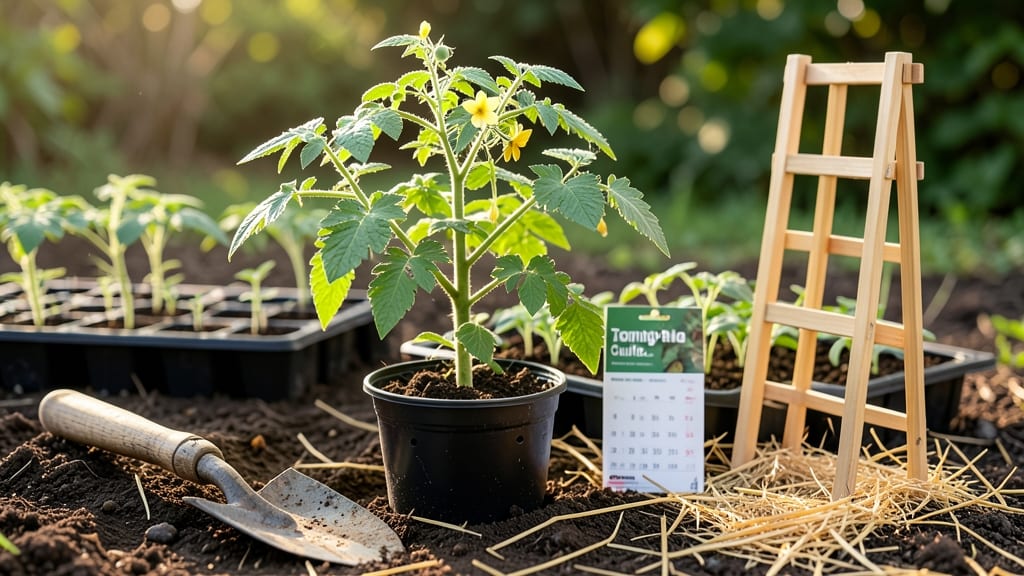
When should I plant tomatoes in Tennessee?—it’s not just about waiting for spring, but about avoiding those infamous late frosts that can turn your hard work into a sad, wilted mess. With the right schedule, you’ll beat the heat, prevent bolting, and enjoy a bumper crop of vine-ripened tomatoes all summer. But get it wrong, and you risk stunted plants or fruit that never fully ripens.
Most gardeners in zones 6a-7b know the magic window runs from mid-April to mid-May, but the devil’s in the details. Soil temperature matters just as much as calendar dates—waiting until it hits 60°F ensures fast germination and strong roots.
And if you’re in West Tennessee’s warmer microclimates, you might even squeeze in a second planting in early June for a fall harvest.
Whether you’re growing in containers or in-ground beds, this guide cuts through the guesswork. I’ll show you exactly when to plant for your specific heat zone, how to adjust for Tennessee’s unpredictable weather, and which varieties thrive in our 180-210 frost-free days.
No more wasted seeds or bolted plants—just a garden that delivers.
Ready to grow tomatoes that actually produce? Let’s dive into the fastest, most reliable planting schedule for Tennessee’s unique climate—so you can enjoy that first juicy bite before summer’s over.
Tennessee heat zones & best planting dates for tomatoes (by region)
Tennessee’s diverse microclimates mean your last frost date could vary by 2-3 weeks between East Tennessee’s mountains and West Tennessee’s flatter plains. For optimal tomato growth, plant after soil temperatures hit 60°F—a critical threshold for germination.
Most regions fall in USDA Zones 6a-7b, but elevation and urban heat islands can shift your ideal window.
In East Tennessee (e.g., Knoxville, Chattanooga), average last frost dates land between April 15-25, while Middle Tennessee (Nashville, Murfreesboro) typically sees frost-free conditions by April 1-15. West Tennessee (Memphis, Jackson) gardeners can plant as early as March 20-April 5, thanks to warmer microclimates.
Always check your local Cooperative Extension Service for updates.
Here’s how to adapt your planting schedule based on Tennessee’s three key regions, including soil temperature thresholds and frost risk:
| Region | USDA Zone | Last Frost Date | Planting Window | Soil Temp Threshold | Notes |
|---|---|---|---|---|---|
| East TN (Knoxville, Chattanooga) | 6a-7a | April 15-25 | April 25 - May 10 | 60°F+ | Mountain valleys stay cooler; use black plastic mulch to warm soil faster. |
| Middle TN (Nashville, Murfreesboro) | 7a-7b | April 1-15 | April 15 - May 5 | 60°F+ | Urban areas may experience heat islands—plant heat-tolerant varieties like 'Celebrity' or 'Solar Fire'. |
| West TN (Memphis, Jackson) | 7b-8a | March 20-April 5 | March 25 - April 15 | 55°F+ (earlier sowing possible) | Longer growing season; consider fall planting for late harvests. |
For container gardening, adjust your timeline by 1-2 weeks earlier—pots warm up faster than in-ground soil. If you’re starting seeds indoors, begin 6-8 weeks before your region’s last frost date. Use a seedling heat mat to maintain 70-80°F soil temps for faster germination.
Pro tip: Use a soil thermometer to confirm readiness. If temps drop below 50°F at night, cover seedlings with frost cloth until danger of frost passes. This is especially critical in East Tennessee’s higher elevations, where late frosts can linger into May.
In West Tennessee’s warmer zones, you can even try fall planting for a second harvest. Sow heat-tolerant varieties like 'Heatmaster' or 'Solar Set' in July-August for fruit ready by October-November. Just ensure your plants receive consistent watering to prevent stress during Tennessee’s humid summer nights.
Remember: Tomatoes hate cold feet. Even if daytime temps feel spring-like, soil temperature is the true indicator. Use row covers or straw mulch to insulate roots if nights remain chilly.
With the right timing, you’ll avoid bolting (premature flowering) and enjoy vines laden with fruit from June through October.
🌱
How to avoid early bolting & heat stress in Tennessee tomatoes
Tennessee’s unpredictable spring warmth can trick tomato plants into premature flowering, a condition called bolting. When this happens, your plants focus energy on fruit instead of foliage, leading to small, underdeveloped tomatoes or even no harvest at all.
The key to avoiding bolting is understanding your soil temperature and choosing the right tomato varieties for your region.
Bolting isn’t the only risk—heat stress can also damage your plants, causing blossom drop or sunscald on fruit. Tennessee’s USDA zones 6a-7b mean we experience both cool springs and scorching summers, so preparation is everything.
Let’s dive into the practical solutions that will keep your tomato plants thriving from seedling to harvest.
🌱 Heat-Tolerant vs. Cool-Season Tomato Varieties
- Celebrity
- Heatmaster
- Solar Fire
- Arkansas Traveler
- Mountain Spring
Thrive in 80°F+ temps
- Stupice
- Cherokee Purple
- Brandywine
- Glacier
- Siletz
Perform best in 60-75°F temps
Mix both types! Plant heat-tolerant varieties in late spring and cool-season varieties in early spring or fall.
Heat-tolerant: May 15-June 1
Cool-season: March 15-April 15
To prevent bolting, always check your soil temperature before planting. Tomatoes need soil that’s at least 60°F—any cooler, and they’ll struggle to germinate or grow. Use a soil thermometer (just $10 at garden centers) to monitor temps.
If your soil is too cold, wait or use black plastic mulch to warm it up faster.
Once your plants are in the ground, mulching is your best friend. Apply a 2-3 inch layer of straw or shredded leaves around the base of your plants to keep soil temps stable and retain moisture.
This simple step can reduce bolting by up to 50% and protect against heat stress. Plus, it suppresses weeds, saving you time and effort later in the season.
If you’re growing tomatoes in containers, be extra vigilant about heat stress. Pots dry out faster and heat up quicker than in-ground beds. Choose light-colored containers to reflect sunlight and water daily during peak summer.
If temps hit 90°F+, provide afternoon shade with a lightweight shade cloth (30-50% shade) to protect your plants without stunting growth.
Finally, don’t forget about watering consistency. Tomatoes need 1-2 gallons of water per plant every 2-3 days, but the key is deep, infrequent watering rather than light daily sprinkles. Water in the morning to let foliage dry before nightfall, reducing the risk of fungal diseases like blight.
If you see wilting or blossom drop, it’s a sign your plants are struggling with heat or drought—act fast to recover them!