
Plants
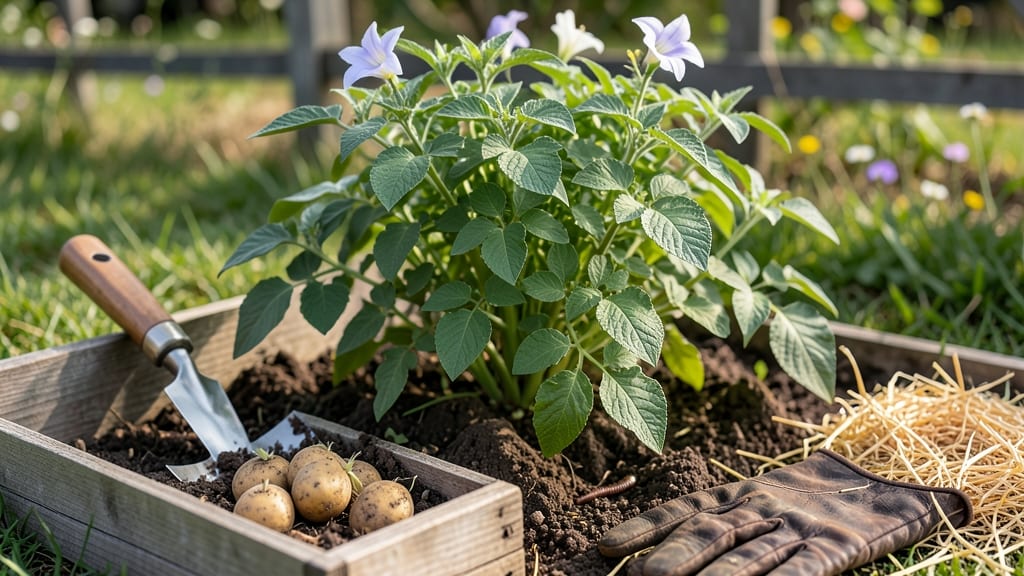
If you’ve ever planted potatoes in Florida only to watch them bolt into bitter, inedible sprouts under the summer sun, you’re not alone—but the best time to plant potatoes in Florida is the key to avoiding this common frustration.
The solution isn’t complicated: by planting your 🥔 between October and February, you sidestep the brutal summer heat that triggers bolting. This window lets tubers mature without stress, ensuring a harvest of sweet, firm potatoes instead of tough, green ones.
Florida’s warm climate means traditional spring planting often backfires, but the right timing makes all the difference. Here, we’ll break down the three ideal planting windows tailored to Florida’s microclimates, from North to South.
You’ll learn how to adjust for your specific zone, choose the right varieties, and avoid the mistakes that turn Florida gardens into potato graveyards.
What you’ll discover is how to grow potatoes that actually thrive—no bitter surprises, just a bountiful harvest. Let’s dive into the timing, tips, and varieties that make all the difference in the Sunshine State.
Florida’s 3 ideal potato planting windows for zero-bolt harvests
Florida’s warm climate and long growing season make potatoes tricky to grow—especially when summer heat triggers bolting (premature flowering). The key to success? Planting during cooler months when soil temperatures stay between 50°F and 70°F.
I’ve grown potatoes in North Florida (Zone 8A) and South Florida (Zone 10A), and these three windows consistently deliver sweet, non-bitter tubers without the stress of heat or frost.
Potatoes need 60-90 days to mature, but Florida’s humidity and heat can turn a great crop into a bitter, green-skinned failure if planted at the wrong time. The solution? Strategic timing based on your region’s last frost date and soil conditions.
For example, North Florida gardeners can start as early as September, while South Florida growers should wait until October or November to avoid summer’s oppressive heat.
Here’s the breakdown of Florida’s best planting windows, tailored to heat zones and microclimates:
| Planting Window | Ideal Months | Soil Temp | Harvest Window | Notes |
|---|---|---|---|---|
| Early Fall | September-October | 60°F-75°F | December-February | Best for North FL; avoid if temps exceed 80°F |
| Winter | November-January | 55°F-65°F | February-April | Safest for all FL; minimal bolting risk |
| Late Winter | January-February | 60°F-70°F | March-May | Risk of early heat; use shade cloth if needed |
The winter window (November-January) is my top recommendation for Florida gardeners. During this time, soil temperatures stay cool enough to prevent bolting, and daylight hours are long enough to support steady tuber growth.
I’ve grown Yukon Golds and Red Pontiacs this way, and they’ve always produced large, smooth-skinned potatoes without bitterness.
For North Florida (Zones 8A-8B), early fall plantings in September-October can work if you use shade cloth to protect seedlings from late-season heat spikes. However, if temperatures climb above 80°F, potatoes will bolt, and your harvest will taste bitter and starchy.
Always monitor your local weather forecasts and adjust planting dates accordingly.
In South Florida (Zones 9A-10A), where frost is rare, the late winter window (January-February) is ideal. Planting too early can expose tubers to unpredictable heat, while waiting too long risks shorter daylight and slower growth.
My trick? Use black plastic mulch to warm the soil faster in cooler months and keep it stable during temperature swings.
One common mistake I see is planting potatoes in spring (March-April). While it might seem logical, Florida’s spring heat often arrives early, and potatoes planted too late in the season will bolt before tuber formation.
Instead, focus on the three windows above and pair them with proper soil prep—like adding compost and sand to improve drainage—to maximize your chances of success.
Pro tip: If you’re in a coastal area, like Miami or Tampa, you can push your planting window slightly later due to moderating ocean breezes.
Inland areas, however, like Orlando or Gainesville, experience more extreme temperature swings, so stick to the winter window for the safest results.
Finally, remember that potatoes need consistent moisture but hate soggy soil. Florida’s humid climate means you’ll need to water deeply but infrequently—about 1-1.5 inches per week—to prevent disease while keeping tubers from cracking.
Pair this with well-draining soil, and you’ll be well on your way to a zero-bolt harvest.
How to adjust planting times for Florida’s microclimates (and avoid bolting)
Florida’s microclimates create unique challenges for potato growers—what works in North Florida’s 8A zone can fail in South Florida’s 10A+ heat. Elevation, humidity, and urban heat islands shift ideal planting windows by weeks.
For example, Panhandle gardeners can plant as early as September, while Miami gardeners must wait until November-December to avoid heat stress.
Your local rainfall patterns also dictate timing. Areas like Gainesville with dry winters need earlier plantings to establish roots before dry spells, while coastal zones (e.g., Tampa) can handle later starts thanks to consistent moisture.
Always check 7-day soil temperature forecasts—potatoes sprout best when soil stays between 45°F-65°F.
Urban gardeners face another hurdle: heat islands can push soil temps 10°F+ higher than rural areas. If your yard feels like a concrete oven, opt for shaded beds or container growing with black fabric mulch to regulate temps.
Test soil temps with a digital thermometer at 6-inch depth—this is your gold standard for timing adjustments.
BOLTING WARNING: Florida’s #1 Mistake
Planting too early in South Florida (Zone 10A+) triggers bolting—when potatoes flower and produce bitter, inedible tubers. Signs: flower stalks appear or leaves yellow rapidly. Fix it by:
- ✅ Delay planting until soil temps drop below 70°F (use shade cloth if needed).
- ✅ Choose heat-tolerant varieties like ‘Yukon Gold’ or ‘Red LaSoda’ for spring.
- ❌ Avoid summer plantings—even ‘Sweet Potatoes’ (not true potatoes) won’t save you!
To extend your harvest window, try succession planting every 3-4 weeks between October and February.
For example: - Week 1: Plant ‘Kennebec’ (90-day variety) in North Florida (early October). - Week 6: Add ‘Red Pontiac’ (70-day variety) for a January harvest. - Week 10: Try ‘Sweetheart’ (60-day) in South Florida (December) for a February-March crop.
Pre-planting soil prep is non-negotiable in Florida’s sandy or clay-heavy soils.
Aim for: - pH 5.0–6.5 (test with a soil kit—Florida’s limestone often raises pH). - Loose, well-draining beds (mix in compost + perlite if native soil is compacted). - Mulch heavily with straw or grass clippings to retain moisture and regulate temps.
Post-planting, hill soil around stems as they grow to prevent greening (toxic solanine buildup). In high-humidity zones, space plants 12–18 inches apart and avoid overhead watering to prevent blight.
If your area gets frequent rains (like West Palm Beach), use raised beds with drip irrigation for better control.
Pro tip: Use black plastic mulch in spring plantings to warm soil faster—this lets you plant 2–3 weeks earlier in Zone 9A areas like Orlando. Just remove it 4–6 weeks before harvest to avoid scalding tubers. 🌱