
Plants
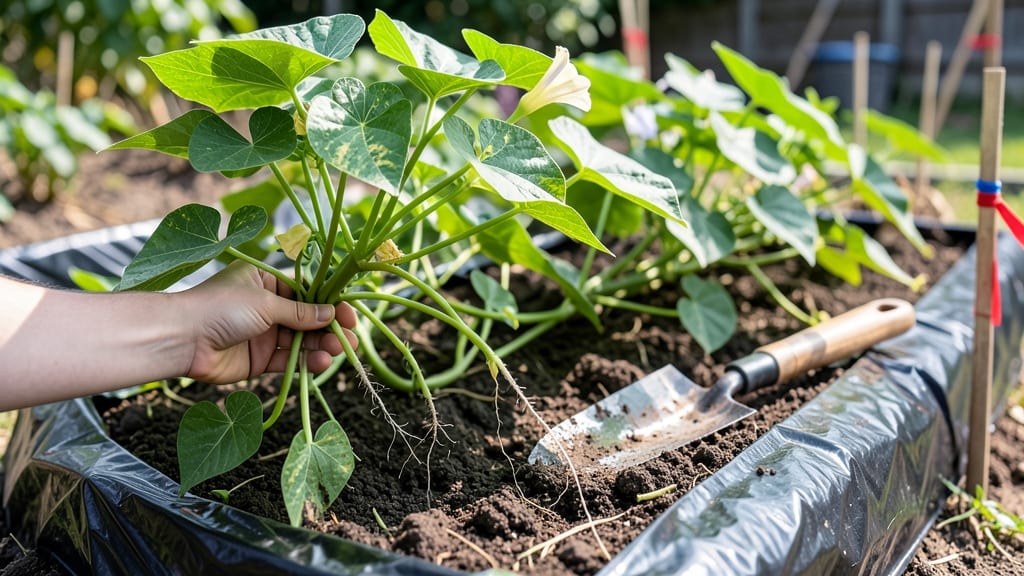
Planting sweet potatoes in Florida at the wrong time can turn your garden dreams into a sweaty, soggy mess—especially when humidity and heat play tricks on your timing. The key to success lies in understanding Florida’s unique climate zones, where soil temperatures and hurricane risks collide with your harvest goals.
While many gardeners assume spring is the only window, Florida’s long growing season actually gives you two prime chances to plant—both with their own risks and rewards.
Whether you’re a backyard grower or a small-scale farmer, getting this right means avoiding stunted growth or worse, losing your crop to sudden storms.
I’ll break down the exact months to plant for your region, the best heat-resistant varieties that thrive here, and how to prep your soil so your sweet potatoes grow bigger and faster than ever. Let’s make sure your next harvest is the one that finally sticks.
From choosing the right slips to navigating Florida’s unpredictable weather, this guide covers everything you need to know before your first shovel hits the dirt. Ready to dig in?
Optimal planting dates for sweet potatoes in Florida’s climate zones
Sweet potatoes thrive in Florida’s warm climate, but precise timing is key to maximizing yields. Unlike many crops, they require warm soil—at least 85°F (29°C)—to sprout properly. Planting too early risks stunted growth, while waiting too long may shorten the harvest window before hurricane season arrives.
Florida’s three distinct regions (North, Central, South) each have unique deadlines.
In North Florida (Zones 8a-8b), aim for late April to early May. This ensures soil warmth and avoids the rare late-spring frost.
Central Florida (Zones 9a-9b) gardeners should start in mid-April to late April, while South Florida (Zones 10a-11) can plant as early as February to March, taking advantage of extended warm seasons.
For seed potatoes (whole tubers), cut and cure slips indoors 2-3 weeks before transplanting. Slips (young plants) are also available at nurseries and can be planted directly, saving time. Both methods work, but slips give you a head start on the growing season.
🌱
| Region | Ideal Planting Window | Soil Temp Requirement | Hurricane Risk Period |
|---|---|---|---|
| North Florida | Late April–Early May | 85°F+ (29°C+) | June–October |
| Central Florida | Mid-April–Late April | 85°F+ (29°C+) | June–October |
| South Florida | February–March | 80°F+ (27°C+) | May–November |
Hurricane season (June–November) is a critical factor. Planting too late risks wind damage or flooding before harvest. For a second harvest, some gardeners plant slips again in late July to early August, but yields may be smaller due to shorter daylight hours.
Use a soil thermometer to confirm warmth before planting. Sweet potatoes are heat-loving and won’t germinate in cool soil. If your soil is still chilly in spring, consider black plastic mulch to warm it faster—this can shave off critical weeks.
In organic gardens, avoid fresh manure near planting time, as it can burn roots. Instead, work in composted organic matter 2-3 weeks before planting to improve soil structure without risking nutrient burn.
🌡️
For container growing, use large pots (at least 18 inches deep) with fast-draining soil. Containers warm up quicker than ground soil, so you can plant 2-3 weeks earlier than in-ground gardens. Just ensure pots have drainage holes to prevent root rot in Florida’s humid climate.
Finally, mark your calendar for harvest timing. Most varieties mature in 90-120 days, so plan to harvest before first frost (though Florida rarely sees frost). If you’re in South Florida, you might even get a fall harvest if planted early!
Optimal planting dates for sweet potatoes in Florida’s climate zones
Florida’s climate offers two prime windows for planting sweet potatoes: spring and summer. Unlike cooler climates, sweet potatoes thrive in warm soil (at least 85°F), which means waiting until late spring or early summer to avoid frost damage.
In North Florida (Zones 8a-8b), aim for mid-April to early June, while Central and South Florida (Zones 9a-11) can plant as early as March or stretch into July for fall harvests.
Hurricane season (June–November) adds complexity. Planting in late summer risks storm damage, so prioritize early summer starts (June) for fall harvests before storms peak. For seed potatoes (less common in Florida), start indoors in March to transplant slips by April 15—but slips are the faster, preferred method here.
Soil temperature is non-negotiable. Use a soil thermometer to confirm 85°F+ at 4-inch depth before planting. Cold soil stunts growth, leading to poor tuber formation. In North Florida, wait until after the last frost (typically mid-March), but don’t rush—May is often safer for slips.
| Region | Best Planting Window | Soil Temp Requirement | Hurricane Risk |
|---|---|---|---|
| North Florida (Zones 8a-8b) | Mid-April to early June | 85°F+ (wait for last frost) | Moderate (June–Oct) |
| Central Florida (Zones 9a-9b) | March to July | 85°F+ (earlier in South) | High (June–Oct) |
| South Florida (Zones 10a-11) | February to August | 85°F+ (year-round possible) | Very High (June–Nov) |
For slips (young plants), buy certified disease-free slips from nurseries in April and plant them 2–3 weeks later once soil warms. Slips root faster than seeds and produce larger tubers in Florida’s heat.
If using seed potatoes, start them indoors under grow lights in March and transplant slips by May 1 to avoid late-season storms.
Extend your harvest by planting a second crop in late June for a fall harvest before frost. Choose early-maturing varieties (like ‘Beauregard’) to beat hurricane season. Space plants 12–18 inches apart in rows 3 feet apart to allow airflow and reduce fungal risks from Florida’s humidity.
Pro tip: Mulch with straw or black plastic to retain soil heat and moisture. In South Florida, you can even plant year-round with proper mulching, but yields peak in spring and fall. Monitor for sweet potato weevils—a major Florida pest—by using row covers early in the season.