
Plants
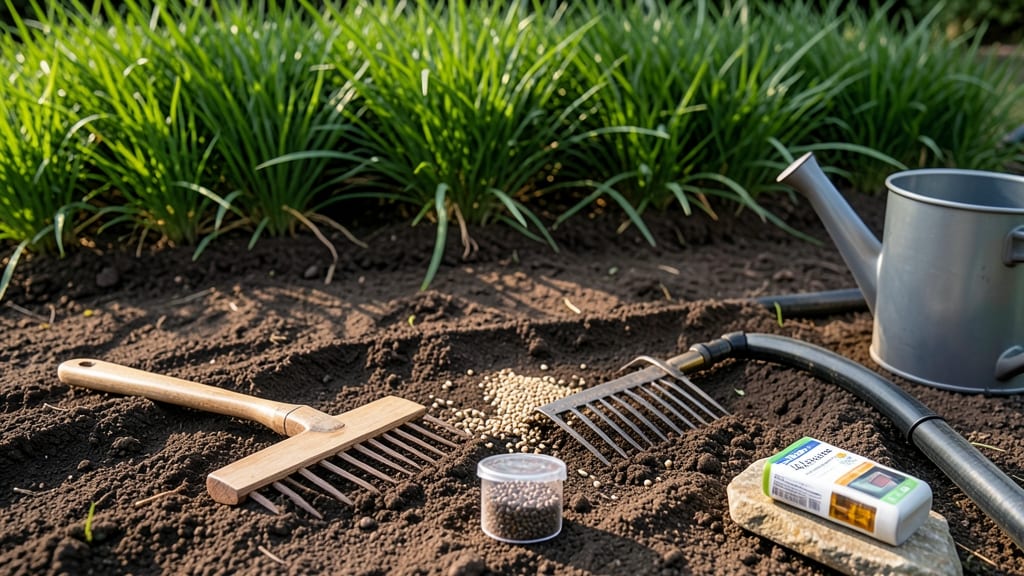
Planting grass seed at the wrong time in North Carolina can turn your dreamy green lawn into a patchy, weed-infested battlefield—so getting the timing right is everything. With USDA zones 6a-8b and microclimates that vary from the coast to the mountains, there’s no one-size-fits-all answer.
But here’s the secret: soil temperature and regional frost dates hold the key to success.
Most gardeners know spring and fall are ideal, but did you know August-September often beats March-April in many NC zones? The 3-week rule for fall planting—starting 6-8 weeks before frost—can mean the difference between a lush lawn and wasted seed.
Let’s break down exactly when to plant where you live, so you can skip the guesswork and get it right the first time.
Whether you’re establishing a new lawn or overseeding, understanding your yard’s unique conditions matters just as much as the calendar. Sun exposure, soil type, and even elevation can shift your perfect planting window by weeks.
I’ll show you how to read the signs—from soil warmth to rainfall patterns—and adjust your strategy for maximum germination in your specific corner of North Carolina.
Ready to transform your yard from brown and patchy to vibrant green? Stick around—I’ll walk you through the exact steps to time your planting like a pro, no matter where you are in the state. Your future lawn will thank you.
North Carolina grass seed planting timeline: soil temperature rules by region
North Carolina’s diverse climate—from the humid coastal plains to the cooler mountain regions—means one-size-fits-all planting advice won’t work. The key to success lies in soil temperature thresholds and regional frost patterns.
For cool-season grasses like tall fescue and Kentucky bluegrass, aim for soil temps between 50-65°F, while warm-season grasses like Bermuda and Zoysia thrive when soil hits 65-75°F. Timing these windows by region ensures your seed doesn’t bake in summer heat or freeze before sprouting.
In the Coastal Plain (USDA Zones 8a-8b), where humidity lingers and summers smolder, spring planting starts in early March once soil warms above 55°F. This region’s mild winters also allow fall planting until mid-October, giving seeds time to establish before frost.
Skip late summer—those 90°F+ soils will sterilize your seed before it germinates. For mountain regions (Zones 6a-7a), wait until late April to early May when soil consistently stays above 50°F, as cooler nights slow germination.
Here’s the regional breakdown you need to avoid common mistakes like patchy germination or weed takeover. The Piedmont (Zones 7a-7b) bridges these extremes—plant in early April or late August when soil temps sit in that 60-65°F sweet spot.
Pro tip: Use a soil thermometer ($15 at garden centers) to confirm temps before planting. If your soil runs 10°F below the ideal range, wait a week—your seed won’t thank you for rushing.
| Region | Best Planting Window | Soil Temp Threshold | Grass Types | Avoid These Months |
|---|---|---|---|---|
| Coastal Plain | Early March–April Late August–mid-October |
55–65°F (spring) 60–70°F (fall) |
Tall Fescue, Bermuda, St. Augustine | June–July (too hot) |
| Piedmont | Early April–May Late August–September |
50–65°F (spring) 60–68°F (fall) |
Kentucky Bluegrass, Zoysia, Centipede | May–June (drought risk) |
| Mountains | Late April–May Late August–early October |
50–60°F (spring) 55–65°F (fall) |
Fine Fescue, Ryegrass, Cool-Season Mixes | July–August (frost risk) |
Don’t let last frost dates fool you—soil temperature is the real boss. In Raleigh (Piedmont), the average last frost is March 15, but soil often lingers below 50°F until April 1. Planting too early means seed rot or dormancy until conditions improve.
Conversely, Asheville’s mountains might see frost until May 10, so hold off until late April when nights stay above 40°F consistently. Use the 3-week rule: If your area has 3+ weeks of 60°F+ days ahead, it’s go-time.
For warm-season grasses, the rush is on to beat summer’s heat. In Charlotte (Piedmont), plant Bermuda grass seed in mid-April when soil hits 65°F—any later and competing weeds will steal the show.
Coastal areas like Wilmington can extend this to early May, but monitor rainfall: 1 inch of rain per week is ideal for germination, not the drenching downpours that June brings. Always water lightly daily (not soaking) until sprouts appear in 7–14 days.
One critical mistake gardeners make? Ignoring microclimates within their own yard. A south-facing slope might hit 70°F soil while the north side stays 55°F—planting the same day in both spots guarantees failure in one area.
Next up, we’ll dive into how to adjust timing for shade, clay soil, and urban heat islands so your entire lawn gets a fair shot. Stay tuned! 🌿
Remember: Fall planting is your secret weapon in NC’s climate. While spring gets all the hype, August–September offers cooler soil, less weed competition, and consistent rainfall.
The 3-week rule applies here too—plant 6–8 weeks before your area’s first frost (e.g., October 15 in the mountains, November 1 in the Piedmont). This gives roots time to penetrate 4–6 inches deep before winter dormancy sets in.
Microclimate secrets: how your yard’s sun, shade, and drainage affect planting timing
Your neighbor’s perfectly timed grass planting might fail in your yard because of microclimates—tiny variations in sun, shade, and soil that create unique growing conditions. Even within a few feet, your lawn could experience 5-10°F temperature differences or dramatically different moisture levels, throwing off germination schedules.
For example, a south-facing slope in your yard could bake seeds in midday sun while a shaded spot under trees stays too cool for ideal growth. Understanding these factors lets you adjust planting windows by up to 2-4 weeks for better success.
Planting grass seed in hot, dry microclimates (like west-facing slopes) can cause instant seed dehydration—even if soil temps seem ideal. Always test multiple spots in your yard before choosing a planting date.
Start by mapping your yard’s sun exposure patterns. Areas with less than 4 hours of direct sun may need shade-tolerant varieties like fine fescue, while full-sun zones (6+ hours) can handle tougher grasses like Bermuda. Use a sunlight tracker app for 3 days to identify these zones accurately.
Drainage plays an equally critical role. Clay-heavy soils in low spots can stay waterlogged, delaying germination by 1-2 weeks, while sandy areas may dry out too quickly.
Before planting, perform a simple percolation test: Dig a 6-inch hole, fill with water, and time how long it takes to drain. If it takes more than 4 hours, amend with compost or sand.
Urban heat islands—common in cities like Raleigh or Charlotte—can add 5-15°F to air temperatures, making traditional fall planting windows too hot. If your yard feels like an oven by 3 PM, consider late August planting instead of September to avoid heat stress on seedlings.
Finally, adjust your watering schedule based on microclimates. South-facing areas may need watering twice daily during summer heatwaves, while shaded spots might only require every other day. Use a rain gauge to monitor moisture levels in each zone separately.