
Plants
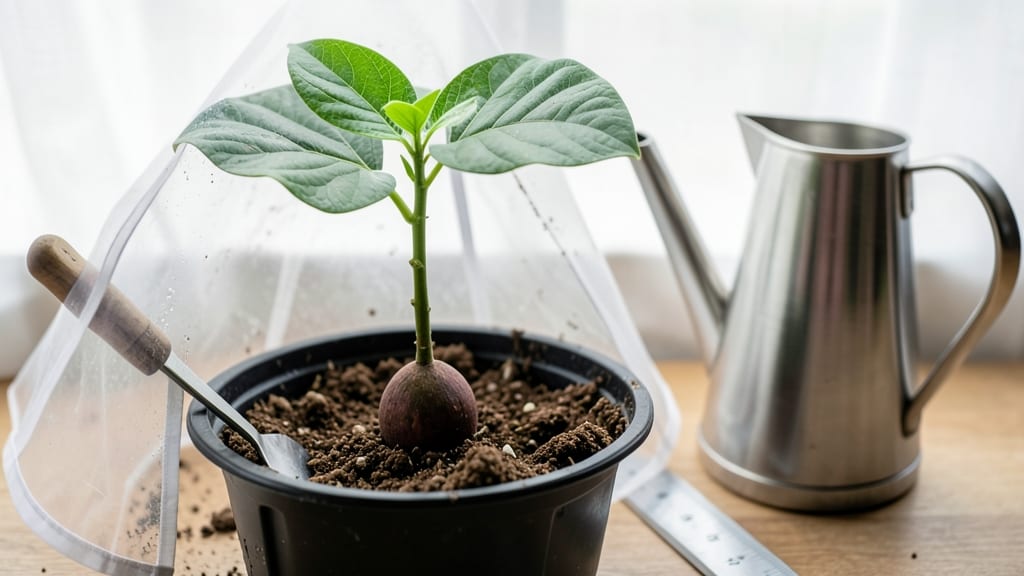
Planting your avocado seed in soil at the wrong time can mean the difference between a thriving 🥑 tree and a sad, mushy mess. The key isn't just waiting for roots to appear—it's understanding when your climate and seedling are truly ready to make the move.
For most gardeners in USDA Zone 6a, the ideal window opens in March or April, when soil temperatures climb above 60°F.
But before you rush to transplant, there are critical signs your seedling needs—like 2-3 inch roots and a visible sprout—that signal it's time to transition from water to soil.
I've learned the hard way that skipping these steps leads to rot, stunted growth, or worse. The good news? With the right soil mix, moisture balance, and a little patience, you can give your seed the perfect start.
Let me walk you through exactly what to do—and when—to set your avocado up for success.
Whether you're a beginner or a seasoned gardener, mastering this timing will save you from common pitfalls. Ready to turn that seed into a tree? Let's get growing.
Avocado seed germination timeline: when to transplant into soil
Planting your avocado seed in soil at the wrong time can lead to stunted growth or even death. The key is waiting until the seedling develops a 2-3 inch root system and a 1-2 inch sprout—usually after 3-8 weeks of water germination.
This ensures it’s strong enough to handle soil stress without rotting.
Most avocado seeds take 4-6 weeks to sprout indoors, but root growth can begin as early as 2-3 weeks. I recommend checking weekly for white, fibrous roots peeking from the seed’s base—this is your cue to prepare for soil transplant.
Temperature plays a critical role: ideal germination happens between 65-75°F (18-24°C). If your home stays cooler, place the seed near a heat mat or sunny window to speed up growth. Once roots hit 2 inches, it’s time to transition to soil.
Humidity matters too—avocado seedlings thrive in 60-70% humidity. If your home is dry, mist the seedling daily or use a clear plastic dome over the container. Low humidity can cause the seedling to dry out before it adapts to soil.
Here’s the exact transplant timeline I follow: Week 1-2 = root emergence, Week 3-4 = 1-inch sprout, Week 5-6 = ready for soil. Rushing this process risks root damage or fungal infections.
| Stage | Root Length | Sprout Height | Action |
|---|---|---|---|
| Week 1-2 | 0.5-1 inch | None | Monitor roots in water |
| Week 3-4 | 1-2 inches | 0.5-1 inch | Prepare soil mix |
| Week 5-6 | 2-3 inches | 1-2 inches | Transplant to soil |
| Week 7+ | 3+ inches | 2+ inches | Move to larger pot |
For outdoor planting, wait until all frost risk has passed (typically after April 15 in most USDA Zone 6a regions). Avocado seedlings are tropical and cannot tolerate frost—even a light freeze will kill them.
If you’re in a cooler climate, start seeds indoors in late winter (February) and transplant to soil in late spring (May). Use a grow light if natural sunlight is limited—avocado seedlings need 12+ hours of light daily.
One common mistake is waiting for the first leaves before transplanting. By then, the roots may be too long for the seedling to handle soil stress. I always transplant when roots are 2-3 inches long and the sprout is 1-2 inches tall—this balance ensures survival.
After transplanting, keep the soil consistently moist (not soggy) for the first 2 weeks. Use a humidity tray or misting bottle to help the seedling adjust. Avoid direct sunlight for the first 3-5 days to prevent shock.
✅ Pro Tip: If your seedling’s roots grow too long before transplanting, trim them to 1-2 inches to reduce stress. This encourages a stronger root system once in soil.
Best soil mix for avocado seedlings: ingredients & preparation guide
Choosing the right soil mix for your avocado seedling is just as critical as timing the transplant. Avocados hate soggy roots, so a well-draining blend is non-negotiable. I’ve perfected a simple mix that mimics their natural tropical habitat while preventing root rot—the #1 killer of young seedlings.
Start with a base of cactus or succulent soil (50%), then add perlite or coarse sand (30%) for aeration, and finish with compost or worm castings (20%) for nutrients. This ratio ensures water drains quickly but retains enough moisture for delicate roots.
For containers, a 5-gallon pot with drainage holes is ideal—smaller pots dry out too fast, while oversized ones hold excess moisture.
Before planting, sterilize your mix by baking it in the oven at 200°F (93°C) for 30 minutes to kill fungi or bacteria. Then, fill your pot 1/3 full with the mix, place the seedling at a 1-inch depth, and gently firm the soil around it.
Pat it down lightly—no compaction, but enough to eliminate air pockets.
Pro tip: Water your seedling only after the top inch of soil feels dry. Stick your finger in—if it’s damp, wait. Overwatering in the first 2 weeks is the fastest way to trigger root rot. A spray bottle helps control moisture levels during the critical adjustment period.
For extra insurance, I top-dress with a 1/4-inch layer of orchid bark or gravel around the base. This creates a natural mulch that slows evaporation while keeping roots cool.
Place your pot in bright, indirect light (no harsh sun yet!) and watch those first true leaves unfurl in 4-6 weeks.
Remember: Your avocado seedling’s roots are delicate but fast-growing. Adjust your soil mix and watering routine based on how quickly it adapts. Within months, you’ll have a 3-foot sapling—if you nail these early steps.