
Plants
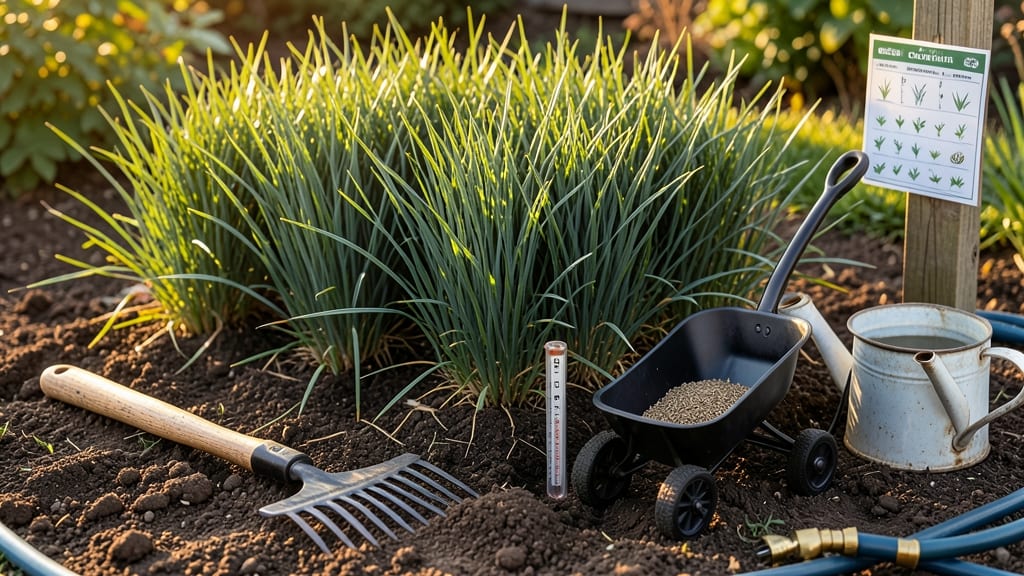
Planting your 🌱 grass seed in Connecticut at the wrong time can turn your dream lush lawn into a patchy, weed-infested battle zone—so timing isn’t just important, it’s the difference between success and frustration.
With USDA Zone 5b-6b weather patterns, you’ve got a narrow window to get it right, and missing it means fighting for growth all season long.
Most gardeners assume spring is the only chance to plant, but here’s the secret: fall planting actually gives you a head start—warmer soil, cooler air, and fewer weeds mean your grass seed establishes stronger roots before winter hits.
We’ll break down the exact dates for both spring and fall, so you never guess again.
Whether you’re seeding a new lawn or overseeding an old one, I’ll show you how to align your planting with Connecticut’s climate—no more wasted seed or money. Let’s dive into the best times, what to avoid, and how to prep your soil for maximum germination.
Ready to transform your lawn? The key is knowing when to plant—and trust me, these insights will change everything. Let’s get started.
Optimal planting windows for Connecticut’s USDA zones 6A/6B (with exact dates)
Connecticut’s USDA Zones 6A/6B offer two prime windows for planting grass seed: early fall and late spring. These periods align with soil temperatures, moisture levels, and frost risks to maximize seed germination and root establishment.
Let’s break down the exact timing, temperature thresholds, and why these windows matter most for your lawn’s success.
For spring planting, aim for mid-April to early May—after the last average frost date (April 15) but before summer heat sets in. Soil should warm to 50–65°F for optimal germination.
Fall planting, however, is often superior in Connecticut, with the best window being mid-September to early October—when daytime temps hover around 60–75°F and nights cool down.
Why does timing matter so much? Grass seed needs consistent moisture and moderate soil temperatures to germinate. Planting in summer heat causes rapid moisture loss, while late fall planting risks frost before roots establish. These windows strike the perfect balance.
Here’s a quick reference for Connecticut’s frost dates and ideal planting windows:
| Season | Ideal Planting Window | Soil Temp (°F) | Key Considerations |
|---|---|---|---|
| Spring | Mid-April to Early May | 50–65°F | Avoid frost risk; water daily until established. |
| Fall | Mid-September to Early October | 60–75°F | Cooler temps reduce weeds; roots grow stronger before winter. |
If you’re planting in spring, start preparing your lawn in late March by testing soil pH (aim for 6.0–7.0) and loosening compacted soil. For fall, focus on overseeding in September to take advantage of 60°F soil temps and consistent rainfall.
Both windows allow seeds to germinate and establish roots before extreme weather hits.
Pro tip: Use a seed germination calculator to track progress. Most grass varieties sprout in 7–21 days under ideal conditions, but cooler fall temps may extend this to 3–4 weeks. Keep soil moist but not soggy during this critical phase.
Connecticut’s variable spring weather can make late April a risky time for planting. If you miss the spring window, don’t panic—fall is your backup. Just avoid planting in summer (June–August) due to drought stress and late fall (November–December) when frost can kill young seedlings.
For overseeding (adding seed to an existing lawn), follow the same timing rules. This is especially useful in September to fill thin patches before winter. Use a sharp rake to loosen the soil surface and improve seed-to-soil contact.
Remember: The goal is to give your grass seed 4–6 weeks of ideal growing conditions before the next frost or heatwave. In Connecticut, that means spring planting by May 1 and fall planting by October 15 at the latest.
Why fall planting wins in Connecticut (and how to do it right)
Connecticut’s cool, moist fall weather creates the perfect germination environment for grass seed—far better than spring’s unpredictable warmth. When soil temps hover between 60°F and 75°F (ideal for most grass types), seeds sprout faster and establish deeper roots before winter dormancy. This means thicker lawns that outcompete weeds naturally.
Fall also avoids spring’s weed competition and summer’s drought stress. By planting in September or early October, you let grass grow strong enough to survive Connecticut’s harsh winters—unlike spring seedlings that often struggle with heat waves or early frosts.
Here’s the secret to fall success: Start 4-6 weeks before first frost (typically mid-September to early October in CT). This gives seeds time to germinate and root before ground freezes. Use a soil thermometer to confirm temps are above 50°F—any cooler, and germination slows dramatically.