
Plants
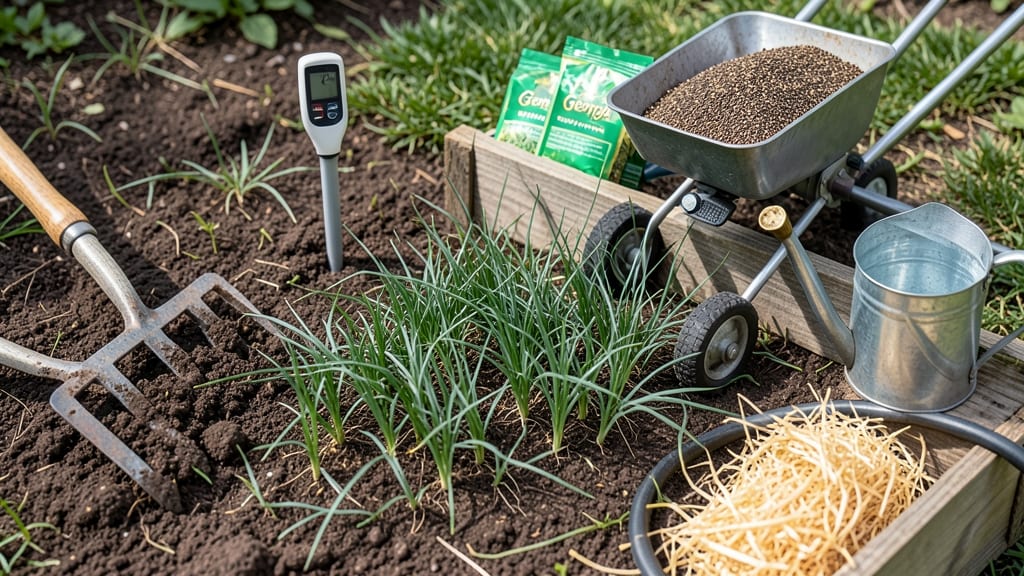
Timing your grass seed planting in Georgia can mean the difference between a lush, green lawn and a patchy, weed-infested yard. The perfect window isn't just about the calendar—it's about escaping the brutal summer heat and taking advantage of Georgia's mild fall temperatures.
Most Georgia gardeners swear by late summer to early fall planting (September through October) as the golden opportunity for cool-season grasses like tall fescue. Why? Because the soil stays warm enough for germination while daytime temperatures drop, giving your new grass a fighting chance against drought and weeds.
Spring planting (March to April) can work too, but it's riskier—especially in Georgia's unpredictable climate. You'll need to act fast before the heat sets in, and even then, summer's intensity can stress young seedlings.
Let me show you exactly how to time it right for your specific Georgia zone and microclimate.
Whether you're dealing with North Georgia's cooler nights or South Georgia's longer growing season, these insights will help you avoid common mistakes and create a lawn that stays thick and vibrant year-round. Let's get started.
Georgia’s ideal grass-seeding windows: when to plant for maximum success
Timing is everything when planting grass seed in Georgia, where cool-season grasses like tall fescue and ryegrass dominate. The best windows are early fall (September-October) and late summer (August), when temperatures hover between 60°F and 75°F.
This range lets seeds germinate quickly without stressing young roots. Spring planting (March-April) is riskier due to Georgia’s unpredictable spring rains and early heat waves.
Georgia’s USDA Zones 7b-8a mean frost dates vary—northern areas (like Atlanta) experience first frost by November 15, while southern regions (like Savannah) may delay until December.
Planting too late in fall risks frost damage before roots establish. Conversely, seeding too early (before 80°F) invites weeds and fungal diseases.
Rainfall patterns also play a role. Georgia’s September-October typically offers steady showers, reducing irrigation needs. In drought-prone areas (like middle Georgiapre-germinated seed or irrigation setups. Coastal regions, with milder winters, can extend seeding into early November.
🌱 Georgia Grass-Seeding Timeline
| Season | Best Months | Ideal Soil Temp (°F) | Rainfall Needs | Key Considerations |
|---|---|---|---|---|
| Early Fall | September-October | 60-75°F | Moderate | Best success; cool nights, warm days |
| Late Summer | August (North GA) | 70-80°F | Higher (irrigation may be needed) | Risk of heat stress; use shade cloth |
| Spring | March-April | 55-65°F | Variable | Weed competition; monitor for pests |
⚠️ Pro Tip: For coastal Georgia, extend fall seeding to early November due to milder winters.
Spring planting in Georgia often fails because seeds germinate just as summer heat arrives.
I’ve seen thin, patchy lawns from March plantings—weeds outcompete grass, and roots struggle to establish before drought sets in. Fall seeding, however, gives grass a 6-8 week head start before winter dormancy, resulting in thicker, weed-resistant turf by spring.
Adjust timing based on your Georgia region. Northern areas (like Gainesville) can seed as late as October 15, while southern zones (like Valdosta) should finish by September 30. Use a soil thermometer to confirm temps are below 80°F—this is your green light to plant.
If you miss fall, don’t despair—late winter (February) is a secondary window. Just amend soil with compost and use pre-emergent herbicide in early spring to block weeds. For drought-prone areas, choose deep-rooted varieties like tall fescue and water deeply 2-3 times weekly after seeding.
Remember: Consistency is key. Georgia’s humidity and heat can dry out seeds in 24 hours if not kept moist. Use straw mulch to retain moisture and protect seedlings from birds. With the right timing, your Georgia lawn will outperform neighbors’ spring plantings by summer’s end.
🌱
Georgia’s ideal grass-seeding windows: when to plant for maximum success
Georgia’s climate—hot, humid summers and mild winters—makes timing critical for grass seeding. Cool-season grasses like tall fescue and ryegrass thrive when soil temps drop below 80°F, but planting too late risks frost damage.
The best windows are late summer to early fall (September–October) and early spring (March–April), when rainfall is reliable and weeds are less aggressive.
Northern Georgia (USDA zones 7b–8a) has cooler nights, so seeding can start earlier (late August). Southern Georgia’s longer heat delays ideal planting until mid-September to avoid summer stress. Spring planting is riskier—late March is your cutoff before summer heat sets in.
Here’s why fall planting wins: cooler temps reduce water stress, seedlings establish roots before winter, and weed competition drops. Spring planting? You’ll battle crabgrass and dry spells unless you’re in shady microclimates.
| Season | Best Months | Soil Temp | Rainfall | Weed Risk |
|---|---|---|---|---|
| Fall | September–October | 60–75°F | Moderate | Low |
| Spring | March–April | 55–70°F | Variable | High |
Pro tip: Check your local frost dates—plant 6 weeks before first frost (usually mid-November in Georgia) to ensure roots harden before winter. For drought-prone areas, aim for September when rainfall is steadier.
Spring planting? March is your last chance—after that, heat stress and weeds take over. If you miss fall, consider overseeding in shady spots where summer heat is less intense.
Remember: Clay soils (common in Georgia) stay wet longer—adjust planting 1–2 weeks later to avoid waterlogged seeds. Test your soil’s pH (6.0–7.0 ideal) before seeding to ensure nutrients are available.