
Plants
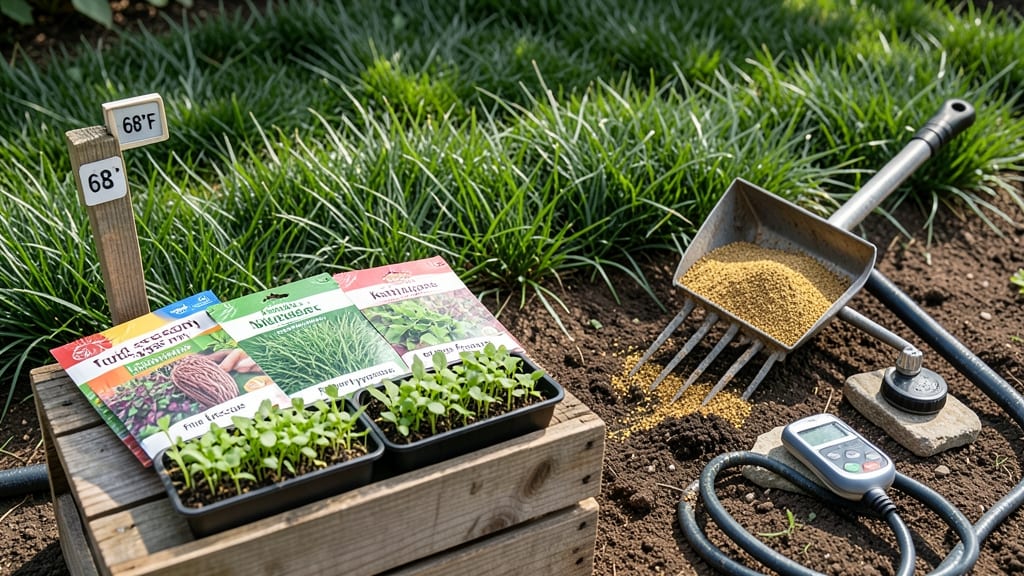
If you’ve ever stared at a patchy lawn and wondered, "when is the best time to plant grass in Pennsylvania?", the answer isn’t just about picking a month—it’s about understanding your grass’s needs and Pennsylvania’s unpredictable 5b-7a climate.
Planting your 🌱 grass too early or too late can mean weak roots, wasted seed, and a lawn that struggles to take hold. But get the timing right, and you’ll set the stage for a thick, green carpet that stays resilient through heat, cold, and everything Pennsylvania throws at it.
For most homeowners, the ideal window is early spring (March-April) or early fall (September-October), when soil temperatures are just right for seed germination. Cool-season grasses like Kentucky Bluegrass and Fescue—common in PA—thrive when planted before the last frost, while warm-season varieties need a different approach.
I’ll break down exactly when to plant, how to prep your soil, and the critical mistakes to avoid so your lawn grows strong from day one. Let’s get started.
Pennsylvania grass planting calendar: best months for cool-season vs. warm-season grasses
Pennsylvania’s variable climate—with USDA Zones 5b-7a—means timing matters for grass success. Cool-season grasses like Kentucky Bluegrass and Fescue dominate here, thriving in spring and fall, while warm-season Buffalo Grass needs summer heat.
Planting outside these windows risks slow germination or weak roots that struggle with PA’s hot summers and cold winters.
Most gardeners in Pittsburgh, Philadelphia, or State College swear by fall planting—it’s when soil stays warm but air cools, reducing stress on seedlings.
Spring planting works too, but you’ve got a narrow window before summer heat sets in. Soil temperature is your best guide: aim for 50–65°F for cool-season grasses and 65–75°F for warm-season types.
Here’s the month-by-month breakdown for Pennsylvania, tailored to your region’s last frost dates (typically mid-April) and first frost (usually mid-October). Use this as your planting roadmap to avoid common mistakes like planting too early when soil is still cold or too late when frost threatens.
| Month | Cool-Season Grasses (Kentucky Bluegrass, Fescue) | Warm-Season Grasses (Buffalo Grass) | Soil Temp Threshold | Key Consideration |
|---|---|---|---|---|
| February | ❌ Avoid | ❌ Avoid | Too cold (below 50°F) | Frost risk; soil too hard |
| March | ✅ Ideal (early) | ❌ Avoid | 50–60°F | 4–6 weeks before last frost |
| April | ✅ Ideal (late) | ❌ Avoid | 55–65°F | Soil must be workable |
| May | ⚠️ Risky (late) | ❌ Avoid | 60–70°F | Summer heat stress |
| June | ❌ Avoid | ⚠️ Possible (late) | 70–75°F | Buffalo Grass only; high water needs |
| September | ✅ Ideal (early) | ❌ Avoid | 60–65°F | Best for root growth before frost |
| October | ✅ Ideal (mid) | ❌ Avoid | 50–55°F | Plant 4–6 weeks before first
How to prepare your Pennsylvania lawn for fall vs. spring plantingPreparing your lawn for grass planting in Pennsylvania isn’t just about dropping seeds—it’s about creating the perfect foundation for strong root growth and long-term health. Whether you’re planting in spring or fall, proper soil prep can mean the difference between a patchy lawn and a lush, green carpet. Let’s break down the critical steps for each season, tailored to Pennsylvania’s USDA zones 5b-7a. For spring planting, start preparing in late winter when soil begins to thaw. This gives seeds enough time to establish before summer heat sets in. In fall, focus on prepping 4-6 weeks before your first frost date—typically mid-October in most of PA—to allow roots to strengthen before winter. Both seasons require soil testing, aeration, and fertilization, but the timing and techniques differ slightly. 🌱 Pro Tip: Pennsylvania’s climate varies dramatically from Pittsburgh’s cooler temps to Philadelphia’s humid summers. Adjust your prep timeline based on your local microclimate—check your last frost date (usually April 15) and first frost (October 15) for precision. 📋 Step-by-Step Lawn Prep for Pennsylvania
One of the biggest mistakes I see in Pennsylvania lawns is skipping aeration—especially on clay-heavy soils like those in Erie or Scranton. Compacted soil strangles roots and prevents seeds from making contact with nutrients. If your lawn feels "hard as a rock" when stepped on, aerate immediately before planting. For spring planting, focus on early March to mid-April when soil temps hit 50°F+ at 4 inches deep. For fall planting, prioritize September to early October when daytime temps stay above 60°F but nights cool down. This "sweet spot" allows grass to grow without stressing from summer heat or winter freeze. In Pennsylvania’s southern regions (like Lancaster), you can push planting into late October, but northern areas (e.g., State College) should wrap up by mid-October to avoid frost damage. ✂️ Final Check: After prepping, do a "fist test"—press your hand into the soil. It should feel moist but not soggy. If it crumbles easily, you’re ready to plant. If it sticks to your gloves, wait a few days for excess moisture to evaporate. |