
Plants
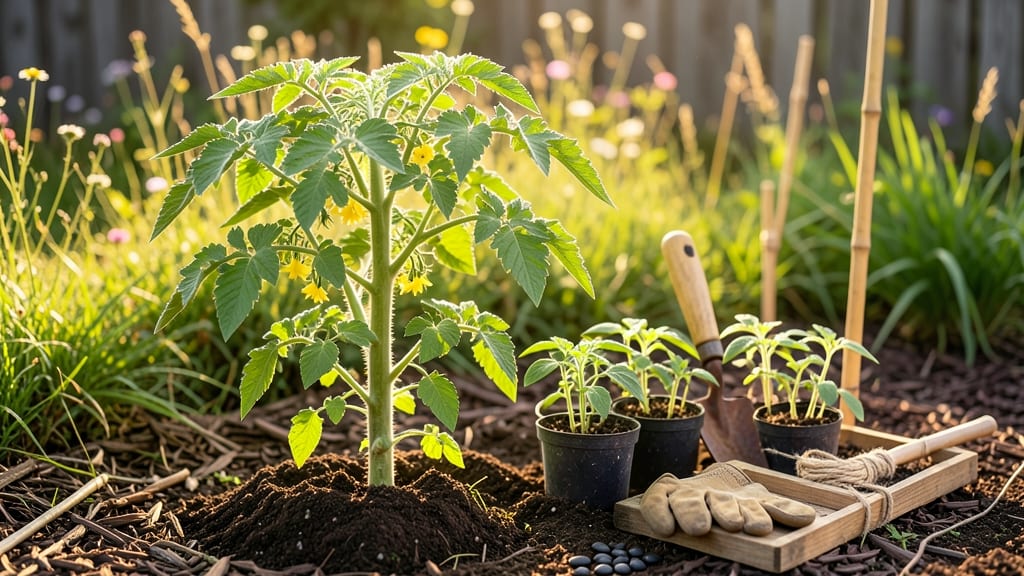
When do you plant tomatoes in North Carolina? Timing your tomato planting isn’t just about following a calendar—it’s about outsmarting frost, heat, and the state’s wild climate swings. Whether you’re in the Coastal Plain or the mountains, getting those 🍅 seeds in the ground at the wrong time can mean the difference between a garden full of ripe tomatoes and a sad, frost-nipped disappointment.
Here’s the truth: North Carolina’s USDA Zones 6b-8a create huge variations in planting windows. In the Piedmont, you might be ready by mid-April, while mountain gardeners in Asheville could still face frost as late as May 15.
That’s why knowing your exact county’s last frost date—and how to adjust for microclimates—is the key to a successful harvest.
I’ve broken down the exact planting windows by region, plus pro tips to extend your season with row covers, black plastic mulch, and the best tomato varieties for NC’s short vs. long growing seasons. Let’s get you from seed to salad in record time—without any surprises.
Ready to dive in? You’ll learn how to plan your planting like a local, pick the perfect varieties for your zone, and even squeeze in a fall crop if you’re ambitious. No more guesswork—just a foolproof guide tailored to North Carolina’s quirks.
North Carolina tomato planting dates by county: frost-free deadlines map
North Carolina’s diverse climate—from the humid Coastal Plain to the cooler Appalachian Mountains—means your tomato planting window can vary by 4-6 weeks depending on where you live. Getting the timing right ensures your plants thrive without frost damage.
The key is planting after your average last frost date, but also accounting for soil warmth and your chosen variety’s days to maturity.
For example, gardeners in Wilmington (USDA Zone 8a) can start tomatoes as early as March 15 under row covers, while those in Asheville (Zone 7a) should wait until May 1 to avoid late frosts.
Below is a breakdown of critical deadlines by region, plus the best varieties for each zone to maximize your harvest before the first frost.
🌱 Pro Tip: Use a soil thermometer to confirm soil temps are at least 60°F—cold soil delays germination and stunts growth. If your soil isn’t warm enough, try black plastic mulch to speed up warming by 2-3 weeks.
📍 County-Specific Note: Check your local Cooperative Extension Service for hyper-local frost data—some years, the Piedmont can see late frosts into April 30, while the Coastal Plain may warm up early enough for February starts under cover in microclimates like Outer Banks.
If you’re planting heirloom varieties with 80+ days to maturity, aim for the earlier end of the window (e.g., March 15 in Wilmington) to ensure they ripen before frost.
For fast-maturing cherry tomatoes (e.g., Sweet 100), you can push the window 2 weeks later for a fall harvest.
🌡️ Temperature Rule: Never plant tomatoes when nighttime temps dip below 50°F (10°C)—this causes blossom drop and stunted growth. Use a minimum-maximum thermometer to track trends in your garden.
For a fall harvest, sow seeds or transplant late July to early August in most of NC. In Zone 8a (Coastal), you might even squeeze in a third planting in September for green tomatoes to ripen indoors before the first frost.
How to adjust tomato planting for North Carolina’s microclimates
North Carolina’s diverse geography—from the Coastal Plain to the Blue Ridge Mountains—creates microclimates that can shift your tomato planting window by weeks or even months.
Urban heat islands in Raleigh or Charlotte may warm up faster than rural farmland, while mountain valleys like Asheville can experience late frosts well into May. Understanding these variations helps you avoid common pitfalls like frost damage or bolting from heat stress.
For example, coastal counties like Brunswick often see last frost dates by March 15, giving gardeners a head start. Meanwhile, high-altitude areas like Watauga County might not be frost-free until May 1.
Even within a single county, elevation changes of just 500 feet can delay planting by 10-14 days. Adjusting for these microclimates means the difference between a bountiful harvest and a disappointing yield.
🌱
- 🏙️ Urban Gardens: Use black plastic mulch or row covers to warm soil faster in paved areas that heat up quicker. Plant 2 weeks earlier than rural guidelines.
- 🏔️ Mountain Valleys: Delay planting until after May 15 in counties like Buncombe or Haywood. Start seeds indoors in March for transplants ready by late May.
- 🌊 Coastal Areas: Plant heat-tolerant varieties like 'Solar Fire' by March 1. Use shade cloth in peak summer to prevent sunscald.
One of my favorite tricks for extending the growing season is using black plastic mulch. Laying it down 2-3 weeks before planting can raise soil temperatures by 5-10°F, allowing you to plant 2 weeks earlier in cooler zones.
For example, in USDA Zone 7a (like Asheville), this might mean shifting your planting window from late May to mid-April. Pair it with row covers for extra protection against late frosts.
In high-altitude counties like Watauga or Mitchell, where frosts can linger until May 15, I recommend starting seeds indoors in early March for transplants ready by late May.
Choose cold-hardy varieties like 'Mountain Merit' or 'Stupice' that can tolerate 45°F nighttime temperatures. For container gardens in these areas, use heat mats under pots to keep roots warm.
⚠️ Warning: Never assume your microclimate matches the county average. Check local weather stations or use frost-free date calculators like the one from the NC State Extension.
For instance, a garden in Boone might experience frost on May 10, while a neighbor just 5 miles away in a valley could see frost-free conditions by April 25. Always monitor your specific spot!
For coastal gardeners in counties like New Hanover or Dare, the biggest challenge isn’t frost—it’s humidity and heat. Plant early-maturing varieties by March 1 and use drip irrigation to avoid fungal diseases.
In Zone 8a, you can even squeeze in a fall planting of fast varieties like 'Early Girl' in late July for a harvest before the first frost.