
Plants
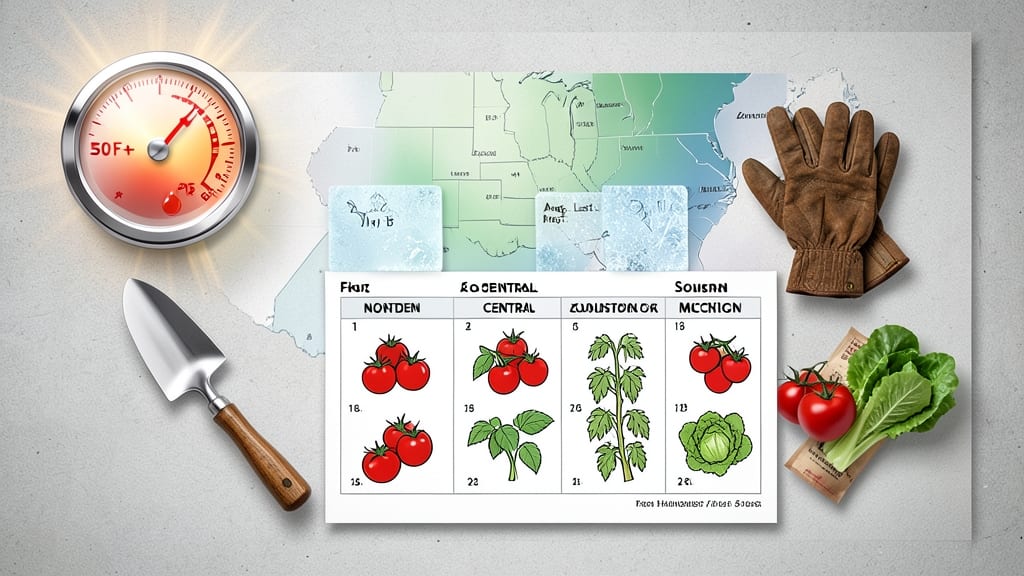
Knowing when is it safe to plant in Michigan means the difference between a thriving garden and a frost-killed disappointment. Michigan’s 5b-6b zones stretch from Detroit’s urban warmth to the Upper Peninsula’s late springs, making timing everything for your 🌱 harvest. One wrong move—like planting tomatoes too early—could leave you starting over, while waiting too long shortens your growing season.
This year, I’ll cut through the guesswork with region-specific frost-free dates that actually work for Michigan’s unpredictable weather. Whether you’re in Grand Rapids or Traverse City, you’ll learn exactly when to start seeds indoors, harden off transplants, and safely direct-sow without risking a surprise freeze. No more second-guessing—just confident planting.
We’ll also tackle the biggest mistakes gardeners make, like ignoring soil temperature or following outdated frost charts. Spoiler: Your neighbor’s planting schedule might not match yours, even if you’re just 10 miles apart.
By the end, you’ll have a customizable timeline that accounts for microclimates, last-average-frost data, and even how to adjust for late springs.
Ready to grow more food with less stress? Let’s dive into the 2024 frost-free timeline that’ll have your garden thriving—no matter where in Michigan you’re planting.
Michigan’s 2024 frost-free dates by region (with last-average-frost maps)
Michigan’s planting schedule depends heavily on last frost dates, which shift dramatically from the Thumb region to the Upper Peninsula. Southern Michigan typically sees its last frost between April 15–May 1, while northern areas like Marquette can wait until May 15–June 1.
These dates determine when to plant warm-season crops like tomatoes and peppers safely outdoors.
For cool-season crops such as peas and spinach, you can often start planting as early as mid-March in protected areas, but always check soil temperatures—40°F is the minimum for most greens.
The Michigan State University Extension provides updated frost maps annually, and I recommend bookmarking their resource page for real-time adjustments.
Urban areas like Detroit and Grand Rapids experience urban heat islands, which can delay frost by 1–2 weeks compared to rural zones. Meanwhile, Traverse City and the Leelanau Peninsula often see earlier frosts due to lake effects.
Always factor in your microclimate—a south-facing slope or garden bed near a building can add critical warmth.
NOAA’s 2024 frost projections suggest slightly earlier last frosts in southern Michigan this year, thanks to shifting climate patterns.
However, historical data shows late-May frosts still occur in 30% of years, so I recommend waiting until two weeks after the average last frost date for heat-loving plants like eggplants and squash.
| Region | Avg. Last Frost | Safe Planting Window | Notes |
|---|---|---|---|
| Southern MI (Detroit, Ann Arbor) | April 20–May 5 | May 10–15 (warm crops) | Urban heat islands delay frost |
| West MI (Grand Rapids, Kalamazoo) | May 1–10 | May 15–20 (warm crops) | Lake Michigan moderates temps |
| Northern MI (Traverse City, Petoskey) | May 10–20 | May 25–June 1 | Cooler microclimates |
| Upper Peninsula (Marquette, Sault Ste. Marie) | May 25–June 5 | June 10–15 | Shortest growing season |
If you’re planting cool-season crops like lettuce or kale, you can often start them 4–6 weeks before the last frost date. For warm-season crops, I recommend waiting until soil temperatures reach 60°F—a soil thermometer is your best friend here.
In Zone 6b areas (common in southern Michigan), you can push the envelope slightly, but Zone 5b gardeners (like those in the UP) should err on the side of caution.
For container gardening, which heats up faster than in-ground soil, you can plant 1–2 weeks earlier than the regional average. Just be prepared to protect seedlings with cloches or frost blankets if a late frost sneaks in.
I’ve had tomato plants survive 32°F nights with a simple lightweight row cover, so don’t let frost dates scare you completely.
To stay ahead of Michigan’s unpredictable weather, I track 10-day forecasts and use the "10-day rule": Wait until 10 days have passed without frost before planting tender annuals. This buffer accounts for those late-May surprises that can wipe out a garden in minutes.
For perennials and shrubs, early April is usually safe, but avoid planting bare-root plants if the ground is still frozen.
For real-time updates, I rely on the Midwestern Regional Climate Center and local Cooperative Extension offices. Their frost alerts can give you a 3–5 day heads-up before a late frost hits.
Pair this with a personal garden journal to track your own microclimate patterns—after 3 years, you’ll spot trends that even the pros miss.
Remember, Michigan’s first frost typically arrives between October 10–20
How to adjust planting times for Michigan’s unpredictable weather patterns
Michigan’s weather can be as unpredictable as a toddler’s mood—one day it’s warm enough for shorts, the next you’re shoveling snow. That’s why relying on average frost dates alone can leave your tomatoes turning into popsicles or your peppers wilting in a heatwave.
The key is flexibility: adjust your planting timeline based on soil temperature, weather forecasts, and microclimates in your yard.
For example, Detroit’s urban areas often warm up faster than rural USDA Zone 5b farms, while the Upper Peninsula might still have frost in late May.
Use the 10-day rule for warm-season crops like beans and squash: wait 10 days after your region’s last frost date before planting, just in case Mother Nature throws a curveball.
🌱
Traditional Wisdom vs. Data-Driven Adjustments
| Strategy | Traditional Wisdom | Data-Driven Adjustment | Why It Works |
|---|---|---|---|
| Planting peas in April | "April showers bring May flowers—peas love cool weather!" | Wait until soil hits 45°F+ (use a soil thermometer) | Cold soil stunts growth; thermometers prevent wasted effort. |
| Transplanting tomatoes after Memorial Day | "Wait until the danger of frost is past!" | Wait until nighttime temps stay above 50°F for 3+ days | Prevents blossom-end rot and shock from cold snaps. |
| Direct-sowing cucumbers in June | "June is safe for warm crops!" | Start indoors in April; transplant when soil is 65°F+ | Extends season by 3-4 weeks; avoids heat stress. |
| Planting fall crops after Labor Day | "September is for planting kale and spinach!" | Sow by August 15 for a harvest before first frost | Guarantees mature greens before frost; NOAA frost maps help. |
Another game-changer? Row covers and cold frames can push your planting window by 2-4 weeks. I’ve used floating row covers to plant broccoli in early April—no frost damage, and I got a head start on the neighbors.
Just remove covers when flowers appear to allow pollination (unless you’re growing self-pollinating varieties like peppers).
Don’t forget to monitor soil moisture too. Dry soil warms up faster than wet soil, which can trick you into planting too early.
Stick your finger in the dirt: if the top 2 inches are dry, it’s time to water—but if it’s still damp, wait a few more days before planting warm-season crops like squash or melons.
For real-time updates, bookmark the Michigan State University Extension’s frost date maps and check the NOAA’s 7-day forecast before planting. Pro tip: Set a reminder for May 10—that’s when most of Michigan’s last frost occurs, but always verify with local data.
And if you’re in the Thumb region or near the Great Lakes, you might even shave off a week or two thanks to lake-effect warming.
🌡️