
Vegetables
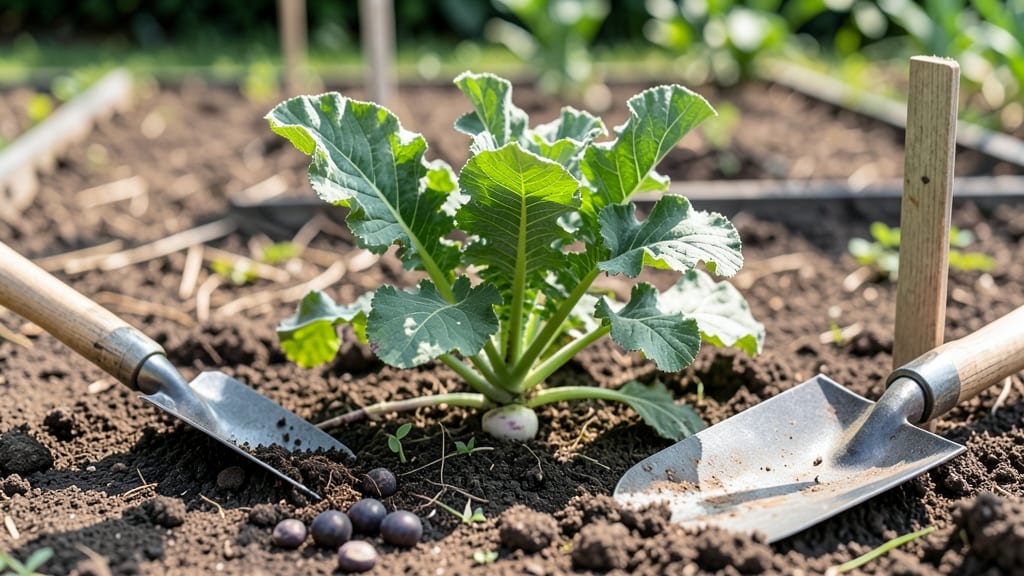
Timing your fall turnip planting can mean the difference between crisp, sweet roots and tough, bitter ones—so getting it right is everything. 🥕 The key?
Planting 4-6 weeks before your first frost when temperatures stay mild enough for steady growth, but not so late that roots struggle to mature before winter sets in.
Many gardeners overlook how frost actually improves turnip flavor, making them sweeter and more tender. But if you wait too long, you’ll end up with bolted greens or woody roots that ruin the harvest. Let’s break down the exact window for your zone and how to maximize your fall crop.
Whether you’re in a cooler USDA Zone 6a or a warmer region, knowing when to sow turnips ensures you’ll have fresh greens and roots ready for October harvests. I’ll share my top tips for soil prep, frost-proofing, and companion plants that keep pests at bay.
Ready to grow turnips that taste like they came straight from a farmers’ market? Let’s dive into the perfect planting schedule—and why timing matters more than you think.
Optimal fall turnip planting dates by USDA Zone and frost timing
Timing your turnip planting in the fall is all about beating the first frost while giving roots enough time to mature. Most varieties need 60-80 days from seed to harvest, so aim to plant 4-6 weeks before your expected frost date.
This window ensures tender, sweet roots before winter hardens the soil.
Your USDA Zone and local frost dates determine the exact planting window. For example, gardeners in Zone 3 might start in early August, while those in Zone 10 can extend planting into October. Always check your average first frost date—this is your deadline.
Here’s how to calculate your planting window: Subtract 60 days (minimum harvest time) from your first frost date. For instance, if frost hits November 15, plant by September 15 to harvest before winter sets in. Late plantings risk bolting or stunted growth from cold stress.
| USDA Zone | First Frost Date | Planting Window | Harvest Window |
|---|---|---|---|
| Zones 3-4 | Mid-October | Late July to early August | Late September to October |
| Zones 5-6 | Late October | Early to mid-August | Late September to November |
| Zones 7-8 | Mid-November | Late August to early September | October to December |
| Zones 9-10 | Late December | September to early October | November to January |
If you’re unsure about your frost date, use a local gardening app or check with your cooperative extension service. These resources provide hyper-local data that’s more accurate than general zone guidelines. For example, a Zone 6 gardener in Colorado might frost earlier than one in Georgia.
Pro tip: Plant a test row 2 weeks before your ideal window. This helps you gauge how quickly your soil cools and adjust your schedule. If seedlings struggle in cooler soil, opt for warmer-start seeds or use black plastic mulch to retain heat.
In northern climates (Zones 3-5), prioritize fast-maturing varieties like 'Purple Top White Globe' (50-60 days). In warmer zones (Zones 7-10), you can afford slightly slower varieties like 'Tokyo Cross' (60-70 days) and even extend harvests into winter with protection.
Avoid planting turnips when soil temperatures drop below 50°F (10°C). Cold soil slows germination and can lead to rot or damping off. Use a soil thermometer to confirm conditions are ideal before sowing seeds.
Once you’ve planted, monitor your garden for early frost warnings. If temperatures dip below 32°F (0°C) before harvest, use row covers or a cold frame to protect young plants. This simple step can extend your harvest by weeks.
Remember, the key to fall turnips is balance: plant early enough for maturity, but not so late that frost ruins your crop. With the right timing, you’ll enjoy crisp, sweet roots long after summer vegetables fade.
Optimal fall turnip planting dates by USDA Zone and frost timing
Timing your turnip planting in the fall is all about beating the first frost while giving roots enough time to mature. Most varieties need 60-80 days to reach harvest size, so aim to plant 4-6 weeks before your average first frost date.
This window ensures you harvest crisp, flavorful roots before winter hard freezes set in.
Your USDA Zone determines your exact planting window. For example, gardeners in Zone 3 (like Minneapolis) should start seeds by mid-July, while those in Zone 8 (like Atlanta) can plant until early October. The key is to calculate backward from your frost date to avoid bitter, woody roots.
Here’s a quick guide to help you plan:
| USDA Zone | First Frost Date | Planting Window | Last Planting Date |
|---|---|---|---|
| 3-4 (Cold Climates) | Mid-September | Mid-July to early August | Late August |
| 5-6 (Northern US) | Late October | Late July to mid-September | Early October |
| 7-8 (Southern US) | Mid-November | August to early October | Late October |
| 9-10 (Warm Climates) | December | September to early November | Early November |
If you’re unsure about your frost dates, check your local Cooperative Extension Service or use a frost calculator. Pro tip: Plant a test row 2 weeks before your final planting date to gauge how quickly your turnips mature in your specific climate.
For container gardeners, use fast-maturing varieties like 'Tokyo Cross' (45 days) and plant in large pots (12+ inches deep) to ensure roots have room to grow. Containers warm up faster in fall, so you may need to plant slightly earlier than in-ground beds.
Remember, soil temperature matters too. Turnips thrive when soil is between 45-85°F. If your soil cools below 40°F, germination slows dramatically. Use a soil thermometer to check before planting.
Start your fall turnip journey with confidence—just follow these dates, and you’ll enjoy homegrown roots until winter’s chill sets in! 🥕