
Plants
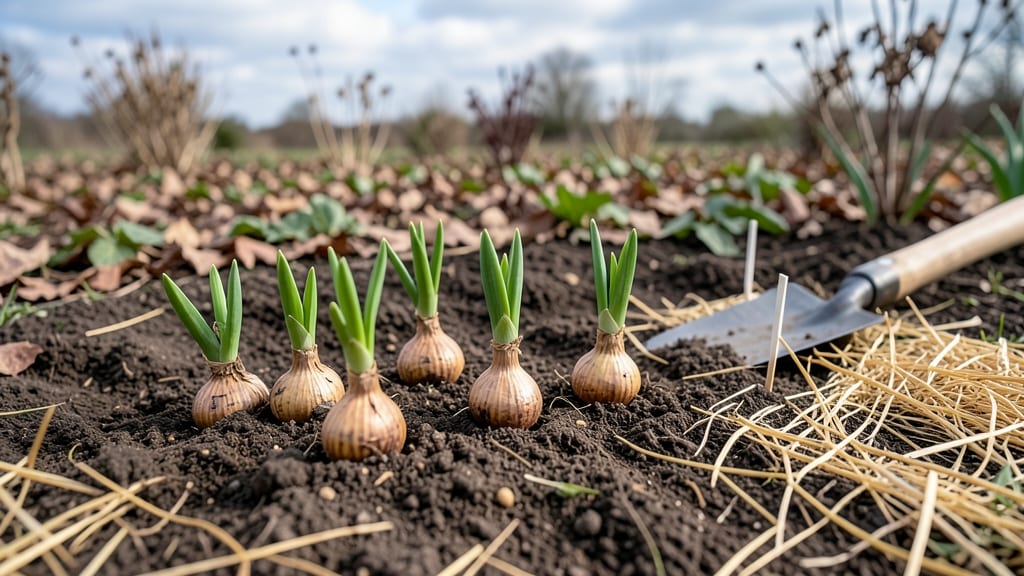
If you're dreaming of a spring garden bursting with vibrant 🌷 tulips, the key to success starts with knowing when you can plant tulips in the ground at the perfect time.
Timing your fall planting is the secret weapon you can't afford to ignore—planting too early or too late can mean the difference between a showstopping display and a disappointing waste of effort.
For most gardeners in USDA Zone 6a and similar climates, the ideal window stretches from September through November, but getting it just right requires knowing when your first frost typically arrives.
The magic happens when bulbs get planted 4-6 weeks before the ground freezes—giving them enough time to root but not enough to sprout before winter.
Don't fall for the myth that spring planting works—tulips need that cold period to develop strong roots. I'll walk you through exactly how to time your planting, plus pro tips for soil prep and frost survival that'll have your bulbs thriving next spring.
Ready to transform your garden? Let's dive into the science-backed timing that guarantees zero frost damage and maximum bloom potential for your tulips.
The ideal fall planting window for tulips by USDA hardiness Zones
Timing is everything when planting tulip bulbs—get it right, and you'll enjoy vibrant spring blooms; get it wrong, and you risk frozen bulbs or weak growth. The golden rule?
Plant 4-6 weeks before the ground freezes in your area. This window ensures bulbs establish roots before winter dormancy kicks in, giving them the best chance to thrive.
Your USDA hardiness zone determines the exact planting window. For example, gardeners in Zone 3-4 (think Minnesota or Canada) should plant by early October, while those in Zone 8-9 (like Southern California) can wait until late November.
The key is to avoid planting too early when soil temperatures are still warm, which can trigger premature sprouting.
Here’s the science: Tulip bulbs need chilling temperatures (40-50°F) to break dormancy. If planted too early, they may sprout and then freeze. If planted too late, they won’t root deeply enough before winter. Aim for soil temperatures between 40-60°F—this is your sweet spot for successful bulb establishment.
🌱
Pro tip: Use a soil thermometer to check temperatures before planting. If the ground is still warm (above 60°F), wait a few weeks. In Zone 5-6, where I garden, I always plant by mid-October to avoid early frosts. The bulbs need time to root before the ground hardens.
Don’t forget to plant tulip bulbs pointy-end up—this ensures they grow straight and strong. A quick trick is to soak bulbs in lukewarm water for 12 hours before planting to encourage root growth. This simple step can boost your success rate by up to 30%!
For gardeners in warmer climates (Zone 9-10), fall planting might not be ideal. Instead, plant in December-January when soil temperatures drop naturally. If you’re unsure about your zone, check the USDA Plant Hardiness Zone Map—it’s a game-changer for timing!
One common mistake is planting tulips in spring. While it’s possible, bulbs won’t bloom as vigorously because they miss the critical cold period needed to trigger flowering. Save spring planting for dahlias or gladiolus, which handle it better.
🌿
The ideal fall planting window for tulips by USDA hardiness Zones
Timing your tulip planting is everything—plant too early, and bulbs may sprout before winter; too late, and they won’t root before frost. The golden rule is to plant 4-6 weeks before ground freezes, but this translates differently by USDA zone.
In Zone 3-5, aim for September-October, while Zone 6-8 gardeners have until November. Soil temperature is your best guide: bulbs need 40-50°F soil to root but not sprout.
For example, in Zone 6a (like much of the Midwest), mid-October is ideal—just before the first hard frost. In warmer Zones 7-8, you can stretch planting until early December, but bulbs may need extra mulch.
The key is consistent chill hours (12-16 weeks below 40°F) to trigger blooming.
Here’s how to check if your timing is right: stick a soil thermometer 6 inches deep. If it’s below 50°F at night but above 40°F during the day, it’s time. Pro tip: Plant in cool, cloudy weather to reduce bulb stress.
| USDA Zone | Ideal Planting Month | Soil Temp Threshold | Bulb Depth |
|---|---|---|---|
| 3-4 | September 15-October 15 | 40-50°F | 6-8 inches |
| 5-6 | October 1-November 1 | 45-55°F | 6-8 inches |
| 7-8 | November 1-December 15 | 50-60°F | 5-7 inches |
Depth matters just as much as timing. Plant bulbs 3x their height deep—so a 2-inch bulb goes 6 inches down. This protects them from frost heave (when soil freezes and pushes bulbs up).
Use a trowel to dig holes, then add a layer of gritty soil (like sand) at the bottom to improve drainage. In heavy clay soils, mix in compost to prevent waterlogging.
One common mistake? Planting in August because it’s warm. Bulbs need 6-8 weeks of cool soil to root before winter. If you’re late, chill bulbs in the fridge (35-40°F) for 6-8 weeks before planting.
For Zone 9-10, skip fall planting entirely—these areas lack chill hours, so plant in winter (December-January) or use pre-chilled bulbs.
Finally, mark your planting spots with stakes or flags—tulip foliage disappears by summer, and you’ll forget where they are! Mulch with straw or leaves after planting to insulate bulbs. With the right timing, you’ll see vibrant blooms in spring—no guesswork, just science-backed success. 🌷