
Plants
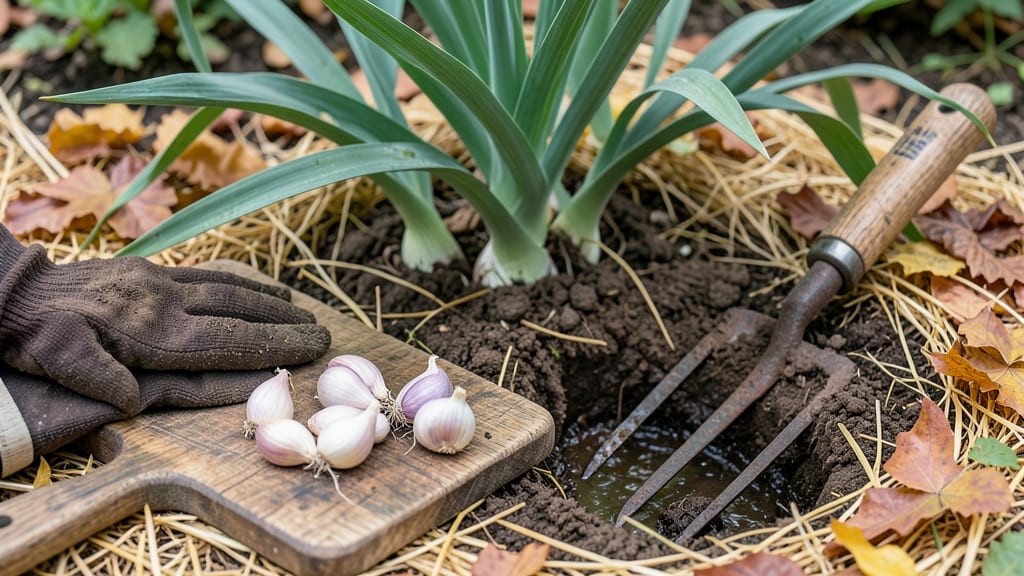
If you've ever wondered when to plant garlic in North Carolina, the answer isn't just about the calendar—it's about reading your local climate like a pro. 🧄 The difference between a zero-bolt harvest and a disappointing one often comes down to timing: plant too early, and you risk bolting; too late, and your bulbs stay small.
For North Carolina's 6a-8a zones, the sweet spot is October through November, when soil temps drop but before the first frost locks things in. Coastal areas like Wilmington can stretch planting into early December, while the Piedmont's cooler nights mean you should aim for October.
This window ensures your garlic develops strong roots before winter dormancy—the key to bulbs that rival grocery store finds.
But here's the secret most gardeners miss: it's not just about the month—it's about the soil temperature. You want to plant when daytime highs hover around 70°F but nights dip below 50°F.
That's your cue to get those cloves in the ground, pointed end up, before the first frost hits. Trust me, this small detail makes all the difference in your harvest.
In this guide, I'll walk you through the exact planting timeline for your region, plus pro tips to prevent bolting and maximize those plump, flavorful bulbs. Let's get your garlic growing right—so you can enjoy homegrown harvests from June through July that'll make your neighbors jealous.
North Carolina garlic planting calendar: exact fall dates by region
North Carolina’s diverse climate—from the humid Coastal Plain to the cooler Mountains—means your garlic planting window varies by USDA zone and microclimate. In Zone 6b (Mountains), like Asheville, aim for October 1–15 to beat the first frost (usually October 15).
Meanwhile, in Zone 8a (Coastal Plain), such as Wilmington, stretch your window to November 1–15, since frost arrives later (November 1 average). The key? Plant when soil temps hit 40–50°F—cold enough to slow growth but not freeze cloves.
Missed the fall window? Spring planting is possible but riskier—bolting becomes a real threat. If you must try, plant February–March in Zone 7a (Piedmont), like Raleigh, but expect smaller bulbs.
For best results, stick to fall and let winter’s chill stratify the cloves naturally, setting the stage for a zero-bolt harvest the following summer.
🌱
| Region | USDA Zone | Ideal Planting Window | Soil Temp Trigger | First Frost Date |
|---|---|---|---|---|
| Mountains | 6b | October 1–15 | 40–50°F | October 15 |
| Piedmont | 7a | October 15–November 1 | 45–55°F | November 1 |
| Coastal Plain | 8a | November 1–15 | 50–60°F | November 15 |
🌡️ Pro Tip: Use a soil thermometer to confirm temps before planting.
Moon phases play a subtle but noticeable role in garlic success. Planting during the waning moon (after the full moon) encourages root development, which is critical for bulb formation.
For Zone 7a (Piedmont), aim for the waning gibbous phase in late October—this aligns with cooler soil temps and reduces bolting risks. Conversely, avoid planting during the waxing moon, which can overstimulate foliage and lead to premature bolting.
If you’re in a warmer microclimate, like the Research Triangle, don’t wait until the last minute. Plant by October 31 to ensure cloves establish roots before soil temps drop below 35°F. Use straw mulch (4–6 inches) to insulate cloves and prevent winter heaving.
In cooler Mountain zones, like Boone, push the envelope to November 10, but monitor forecasts—sudden cold snaps can stall germination.
📅 Last-Minute Deadline: Even if frost hits, cloves can survive if soil temps stay above 20°F. For a January harvest (smaller but usable), plant up to December 15 in Zone 7a, but expect reduced yields. Prioritize hardneck varieties like 'Chesnok Red'—they tolerate late planting better than softnecks.
Garlic’s growth cycle is a 10-month marathon, not a sprint. Cloves planted in October won’t emerge until March, but that dormant period is non-negotiable for bulb development.
In Zone 8a (Coastal), where winters are milder, you might see shoots by January, but hold off on fertilizing until March to avoid soft, sprouty bulbs. Patience here separates store-quality harvests from disappointing results.
🌿 For coastal gardeners, salt spray and sandy soil can stress garlic. Amend beds with composted manure (2–3 inches) before planting to improve water retention. In Mountain regions, prioritize well-draining soil—clay-heavy areas can cause rot.
Test your soil’s pH (6.0–7.0 ideal) and add lime if needed, but avoid overdoing it—garlic prefers slightly acidic conditions.
Harvest timing varies by region too. In the Piedmont, expect to harvest June 15–July 15, while Mountain zones may delay until July 15–August 1 due to cooler springs.
Watch for lower leaves browning while upper leaves stay green—a classic sign of readiness. Cure bulbs in a shady, dry spot (60–70°F) for 2–3 weeks to extend storage life.
How to choose garlic varieties for North Carolina’s climate
North Carolina’s diverse climate—from the humid Coastal Plain to the cooler Mountains—means not all garlic varieties thrive equally. Hardneck varieties like 'Chesnok Red' excel in the Piedmont and Mountains, while softneck types such as 'Silverskin' handle the milder Coastal Plain better. The wrong choice can lead to bolting (premature flowering) or poor bulb development, so picking the right one is critical for a zero-bolt harvest.Hardneck Varieties (Best for Piedmont/Mountains)
✅ 'Chesnok Red': Bold flavor, bolting-resistant, ideal for USDA 6b-7b. Harvest scapes for extra income!
Softneck Varieties (Best for Coastal Plain)
✅ 'Silverskin': Stores 6+ months, mildew-resistant, perfect for USDA 8a. Smaller bulbs but great for braiding.
Cold-Hardy Picks (All Regions)
✅ 'German White': Tolerates -20°F, reliable in Mountains. Mild flavor, great for roasting.
Avoid These in NC
❌ Artichoke (needs heat) or 'California Early' (bolts in Piedmont heat). Stick to NC-adapted types!
Pro Tip: Plant hardnecks in October for Mountains/Piedmont and softnecks in November for the Coastal Plain. Adjust for moon phases (root crops thrive on a waxing moon) to boost bulb size! 🌕
Bulb size matters too: Hardnecks produce larger individual cloves (great for roasting), while softnecks yield more cloves per bulb (ideal for cooking). For NC’s heat, avoid varieties like 'California Early', which bolt in Piedmont’s spring warmth.
Instead, opt for 'Chesnok Red' or 'German White'—they’re bolting-resistant and thrive in USDA 6b-8a.
One final tip: If you’re new to garlic growing, start with 'Silverskin'—it’s forgiving and handles Coastal Plain humidity better than fussy hardnecks. And always save your best bulbs for next year’s planting! 🌱