
Plants
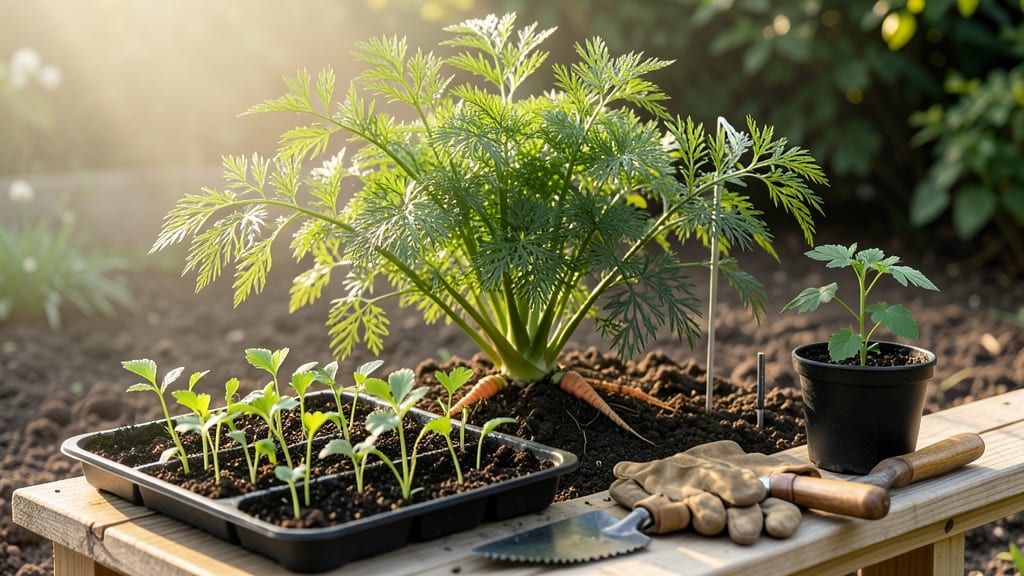
If you've ever wondered when to plant carrots in Florida, the answer isn't as simple as just grabbing a seed packet and heading to the garden. Florida's unique climate—with its brutal summers and mild winters—demands a more strategic approach to growing crisp, sweet 🥕 that actually thrive.
Most gardeners assume carrots are a cool-season crop, but in Florida's USDA Zones 8a-11, the real challenge is avoiding the scorching heat that can turn your seeds into sad, stunted roots.
The key window? September through March, when temperatures cooperate and the soil stays just right for those perfect orange roots to develop.
What makes Florida carrot gardening different is the need to work with—not against—the heat. I'll show you exactly how to time your plantings for maximum success, whether you're in North Florida where frost is a real threat or South Florida where the ground barely cools down.
Plus, I'll share the best heat-tolerant varieties that won't bolt at the first hint of summer.
Ready to grow carrots that actually reach their full potential? Let's dive into the exact months, soil prep secrets, and regional tweaks that will have you harvesting homegrown 🥕 from December right through May—no matter where in Florida you live.
Best planting months for carrots in Florida’s climate zones
Florida’s diverse climate means carrot planting windows vary dramatically from North to South Florida. In North Florida (USDA Zones 8a-8b), cooler temperatures and occasional frost demand early fall plantings, while South Florida (Zones 10a-11) offers year-round opportunities with minimal frost risk.
The key is planting when soil temperatures stay between 55°F and 75°F—too hot, and your carrots will bolt; too cold, and growth stalls.
For most Florida gardeners, the ideal planting window stretches from September through March. This aligns with fall and winter seasons when temperatures are mild and rainfall supports germination.
However, Central Florida (Zone 9a) has a slightly extended window, allowing for late summer plantings in August if you provide afternoon shade and consistent moisture.
Frost dates are your biggest guide: In North Florida, plant by mid-October to avoid early frost, while South Florida gardeners can sow carrots year-round with proper care. Even in frost-free zones, summer heat above 85°F stresses carrot plants, leading to bitter roots or premature flowering.
| Region | USDA Zone | Best Planting Months | Soil Temp | Key Considerations |
|---|---|---|---|---|
| North Florida | 8a-8b | September–March | 55°F–70°F | Avoid frost; use row covers |
| Central Florida | 9a-9b | August–April | 60°F–75°F | Shade cloth for summer plantings |
| South Florida | 10a-11 | Year-round (peak: Sep–Mar) | 65°F–80°F | Consistent moisture critical |
If you’re aiming for a continuous harvest, practice succession planting every 2–3 weeks from September through February. This ensures a steady supply of fresh carrots without overwhelming your garden at once.
For example, plant one row in late September, another in mid-October, and continue until early March.
For North Florida gardeners, consider using black plastic mulch to warm soil in early fall or floating row covers to extend the season into late spring. These tricks help you push planting windows by 4–6 weeks without risking frost damage.
In South Florida, focus on shade solutions like 30% shade cloth during peak summer months to prevent bolting.
Timing isn’t just about months—it’s about soil conditions. Test your soil’s temperature with a soil thermometer before planting. Carrot seeds need consistent moisture and temperatures between 60°F–70°F to germinate properly. If your soil runs hotter, wait until evening to sow seeds when temperatures drop slightly.
One common mistake is planting too late in spring. By April, soil temperatures in most of Florida rise too quickly, causing seeds to dry out before sprouting. Instead, prioritize fall plantings for the best results.
Even in South Florida, where spring planting is possible, pair it with drip irrigation to maintain moisture levels during the transition from cooler to hotter weather.
Pro tip: Direct sow carrot seeds instead of transplanting seedlings. Carrots develop best when sown 1/4-inch deep in loose, stone-free soil. Transplanting disrupts root growth and often leads to forked or misshapen carrots. If you’re new to direct sowing, try a seed tape for even spacing and easier maintenance.
Finally, don’t overlook rainfall patterns. Florida’s wet season (June–October) can lead to waterlogged soil, which causes carrots to rot. If you’re planting in late summer, amend your soil with organic matter like compost to improve drainage.
In drier months, like November–February, supplement rainfall with 1/2-inch of water every 2–3 days to keep soil consistently moist.
How to succeed with fall and winter carrot plantings in Florida
Once the brutal Florida summer heat fades, your window for growing crisp, flavorful carrots opens wide—but only if you prepare your soil and garden correctly. Fall and winter plantings often yield the sweetest harvests, but sandy Florida soil and unpredictable weather demand extra care.
The key lies in soil prep, shade strategies, and consistent moisture to prevent bolting or bitter roots.
Start by testing your soil’s pH—carrots thrive in 6.0 to 6.8 range. Florida’s native soil is often nutrient-poor, so mix in 2-3 inches of compost or aged manure before planting. Loose, stone-free soil is non-negotiable; otherwise, you’ll end up with forked, misshapen roots.
If your garden bed is rocky, consider growing carrots in raised beds or containers filled with a blend of topsoil and coconut coir.
Shade becomes your best friend during Florida’s mild winter days and hot summer-to-fall transitions. Carrots bolt (prematurely flower) when exposed to temperatures above 85°F or sudden heat spikes.
Use row covers or shade cloth (30-50%) during late afternoon to protect seedlings. For summer plantings, opt for partial shade locations, like the dappled light under fruit trees.
Watering is another critical factor. Carrots need consistent moisture to grow straight and sweet, but soggy soil leads to rot. Drip irrigation or soaker hoses are ideal—they deliver water directly to the roots without wetting the foliage, reducing disease risk.
Aim for ½ inch of water every 2-3 days, adjusting for rainfall. In South Florida’s dry winters, you may need to water more frequently due to lower humidity.
Companion planting can also boost your success. Pair carrots with onions, leeks, or rosemary to deter pests like carrot flies. Avoid planting near dill or fennel, which attract the same pests.
For added protection, interplant with marigolds or nasturtiums, which repel aphids and other common carrot pests. These companions also improve soil health as they grow.
Finally, don’t forget to harvest regularly to encourage continuous production. Carrots stored in the ground too long become woody or sprout. Pull roots when they reach ¾ to 1 inch in diameter, and store them in a cool, dark place for up to 2 weeks.
With these strategies, you can enjoy homegrown carrots from fall through early spring, even in Florida’s unpredictable climate! 🥕