
Plants
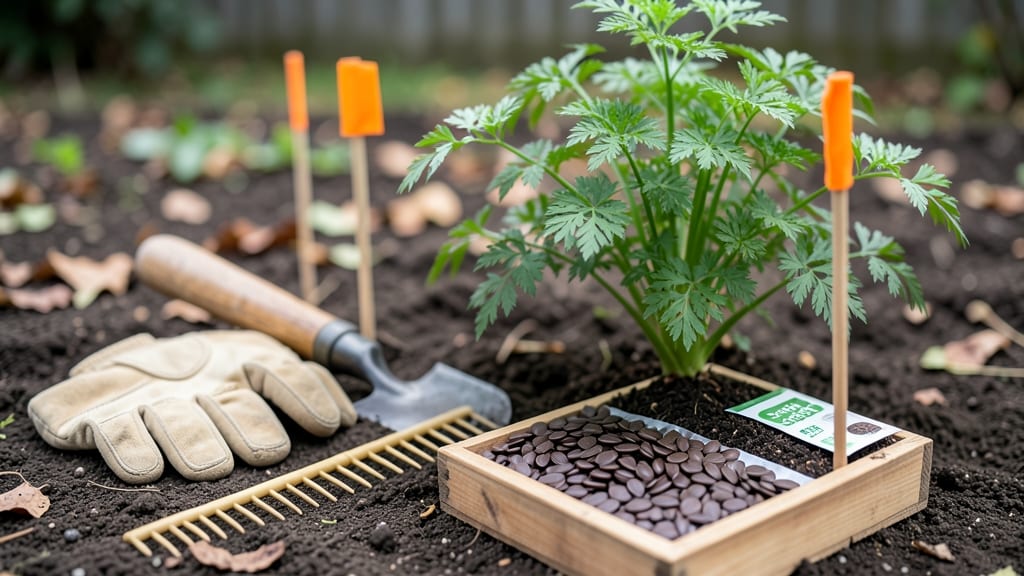
Knowing when to plant carrot seeds in Ohio can mean the difference between a garden full of sweet, crisp 🥕 and a patch of woody disappointments.
Ohio’s short growing season demands precision—plant too early, and frost will nip your seedlings in the bud; too late, and summer heat turns your roots tough as a boot.
I’ve grown carrots in Ohio’s 6a zone for years, and the key is timing your plantings around frost dates and soil warmth. The ideal window starts in March and April for early harvests, with a second chance in July for fall crops.
But here’s the catch: Ohio’s climate isn’t one-size-fits-all, so I’ll break down exactly when to sow seeds in your specific region.
Whether you’re a first-time gardener or a seasoned green thumb, this guide will help you avoid common mistakes like bolting (when carrots flower too soon) or stunted growth. You’ll learn how to stretch your harvest from June all the way to October with just two simple planting strategies.
Let’s dive into the exact dates, soil prep tips, and variety choices that work best for Ohio’s unpredictable spring and summer. Your next batch of perfect, restaurant-quality carrots starts here.
Ohio carrot planting zones: best months by microclimate
Ohio’s diverse climate means your planting window for carrots can vary by 1-2 weeks depending on whether you’re in Northern Ohio, Central Ohio, or Southern Ohio. Understanding these microclimates helps you avoid frost damage or woody roots from heat stress.
Let’s break down the ideal planting months for each region, including last frost dates and soil temperature requirements for successful germination.
Carrot seeds need soil temperatures between 50°F and 85°F to sprout properly. In Ohio, this means waiting until mid-to-late March for Northern zones, while Southern Ohio gardeners can start as early as late February.
The key is planting when the ground thaws but frost risk is minimal. Below, I’ll show you the exact windows for each region, so you can plan your succession plantings like a pro.
🌱 Ohio Carrot Planting Zones Comparison
| Region | Last Frost Date | Ideal Planting Window | Soil Temp for Germination | Notes |
|---|---|---|---|---|
| Northern Ohio (Zones 5a-5b) | April 15–20 | Mid-March to early April | 50°F–60°F | Use row covers for early plantings; avoid late April to prevent bolting. |
| Central Ohio (Zone 6a) | April 1–10 | Late February to mid-April | 55°F–65°F | Best for heirloom varieties like 'Danvers'; plant every 2 weeks for continuous harvests. |
| Southern Ohio (Zones 6b-7a) | March 20–30 | Late February to early May | 60°F–70°F | Heat-tolerant varieties like 'Nantes' thrive here; avoid planting after June 1. |
If you’re in Northern Ohio, focus on early spring plantings (March–April) and late summer (July–August) for a fall harvest. Central Ohio gardeners have the most flexibility, with three planting windows: spring, summer, and a quick fall crop before frost.
Meanwhile, Southern Ohio can extend the season even further, with some varieties tolerating light frosts if covered.
Pro tip: Use a soil thermometer to confirm temperatures before planting. Carrot seeds won’t germinate well below 50°F, even if the air feels warm.
In my garden, I’ve seen seeds take 3 weeks to sprout when soil temps hover around 50°F, compared to just 7–10 days in ideal 60°F–70°F conditions.
For heirloom varieties, like 'Danvers Half Long', aim for soil temps between 55°F–65°F—this range balances germination speed and root development. Hybrid varieties, such as 'Rainbow' or 'Paris Market', are more forgiving and can handle slightly cooler or warmer soil, making them great choices for succession plantings throughout the season.
One common mistake Ohio gardeners make is planting too late in the spring. If you wait until after April 15 in Northern Ohio or after May 1 in Southern Ohio, your carrots may bolt (go to seed) prematurely due to long daylight hours.
To avoid this, I recommend staggering plantings every 2–3 weeks from March through July, ensuring a steady supply of fresh carrots.
In Southern Ohio, where summers are hotter, consider using shade cloth (30–50%) for late summer plantings to prevent woody texture and bitter flavor. This simple trick can extend your harvest window by 4–6 weeks into early fall. Just
Finally, always test your soil’s pH level before planting—carrots prefer 6.0–7.0. If your soil is too acidic (below 6.0), amend it with lime 2–3 weeks before planting. I’ve seen carrots struggle to develop properly in acidic soil, leading to forked roots or poor growth. A quick soil test kit (available at garden centers) makes this easy to check.
Now that you’ve got your planting windows locked in, let’s talk about succession planting to maximize your harvest—because who wants to eat carrots only once a season? 🥕
Carrot seed planting schedule: succession planting for continuous harvests
Ohio’s short growing season means you can’t plant carrots just once and expect a summer-long harvest. Instead, I use three strategic planting windows—spring, summer, and fall—to keep fresh carrots coming from June through October.
Each wave has its own ideal timing, soil prep needs, and even shade strategies to beat Ohio’s summer heat.
The first planting happens 4-6 weeks before your last frost date (around March 15–April 1 for most of Ohio). This gives seeds time to germinate before soil warms, but not so early that frost zaps your tender sprouts.
For northern Ohio, aim for late March; central and southern regions can start in mid-March.
🌱Pro Tip: Test soil temperature with a thermometer—carrot seeds need 50–60°F to sprout. If it’s colder, wait or use a cloche to protect seedlings.
📅 Ohio Carrot Planting Timeline
- Spring Wave: March 15–April 1 (4–6 weeks before last frost). Use cold-hardy varieties like 'Danvers'.
- Summer Wave: July 1–15 (after Memorial Day heat). Plant in partial shade with shade cloth (30–50%).
- Fall Wave: August 15–September 1 (8–10 weeks before first frost). Choose quick-maturing varieties like 'Paris Market'.
Summer plantings are tricky—Ohio’s July heat can cause carrots to bolt (go to seed) or develop woody roots. To avoid this, I plant July 1–15 and use 30–50% shade cloth to keep soil temps below 85°F.
Water deeply in the morning to encourage root growth, and avoid fertilizing heavily, which can trigger bolting.
For a fall harvest, my last planting happens August 15–September 1, targeting varieties that mature in 50–60 days. This gives roots time to sweeten before Ohio’s first frost (usually mid-October).
I always choose short-day varieties like 'Purple Haze' or 'Chantenay' for fall, as they handle cooler temps better.
💡Key Insight: Succession planting isn’t just about timing—it’s about soil prep. Before each wave, I loosen the top 12 inches of soil to prevent forking (a common Ohio carrot problem) and mix in compost for nutrients.
Mulch with straw to retain moisture and suppress weeds, which is especially critical in Ohio’s humid summers.
By mastering these three windows, I’ve gone from one harvest to three—all with crisp, sweet carrots. The secret? Paying attention to Ohio’s microclimates and adjusting shade, water, and variety choices for each season. Now it’s your turn to try it!