
Plants
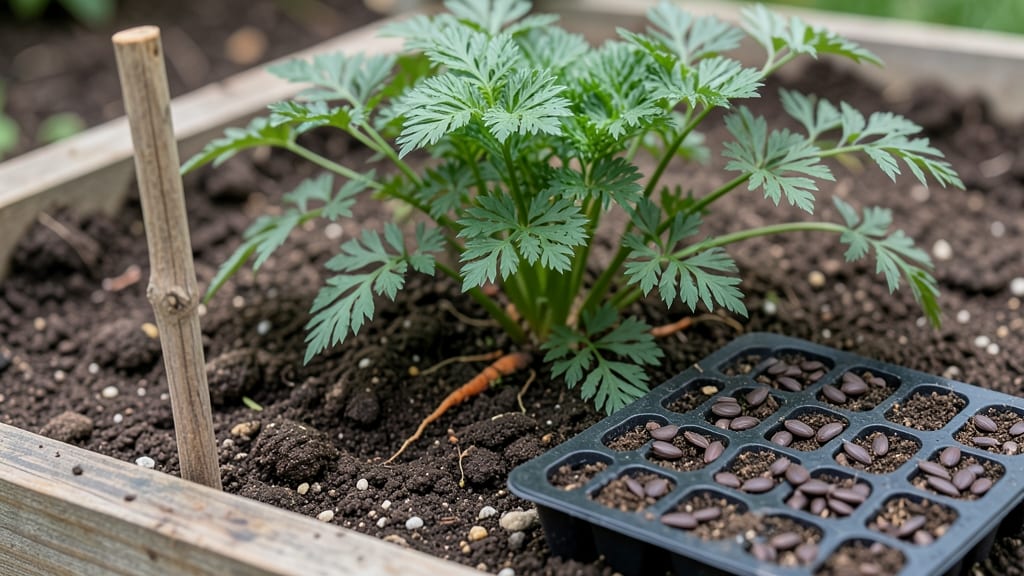
Timing your carrot planting in Zone 5b can make or break your harvest—especially when you're staring at a patch of bitter, stringy roots instead of the sweet 🥕 you dreamed of.
The key? Planting when soil temps hit 40°F-85°F and avoiding those quick-bolting traps that turn your garden into a science experiment gone wrong.
In Zone 5b (think Northern Midwest or Upstate New York), your window is tight: early spring (March-April) or late summer (July-August). Plant too early, and your carrots might bolt before they even get started.
Too late, and you risk stunted growth or a harvest cut short by frost. The secret isn’t just when you plant—it’s how you prep your soil to keep those temps just right.
I’ve grown carrots in this zone for years, and the difference between a flawless harvest and a disappointing one often comes down to these two things: timing and soil. Let me show you exactly how to nail both—so you can enjoy crisp, sweet carrots from your garden all season long.
We’ll cover the best planting schedules, soil tricks to prevent bolting, and even how to stretch your harvest with succession planting. Ready to turn your garden into a carrot powerhouse? Let’s get started.
Optimal planting times for carrots in Zone 5b (soil temp guide)
In Zone 5b, timing your carrot planting is everything—especially since cold soil triggers bolting, while heat makes roots tough. The sweet spot? Soil temperatures between 40°F and 85°F, which aligns with two key windows: early spring (March–April) and late summer (July–August).
Planting outside these ranges risks bitter, woody roots or premature flowering.
Your last frost date (typically mid-May) is your first deadline. Aim to sow seeds 2–3 weeks before this date, when soil warms to at least 40°F.
For fall harvests, plant 8–10 weeks before your first frost (mid-October), ensuring roots mature before cold snaps. Use a soil thermometer to confirm—carrots won’t germinate below 40°F.
Here’s the breakdown of your Zone 5b planting calendar, tailored to soil temps and frost risks:
| Planting Window | Soil Temp | Action | Notes |
|---|---|---|---|
| Early Spring | 40°F–55°F | Sow 2–3 weeks before last frost | Use black plastic mulch to warm soil faster |
| Late Summer | 60°F–85°F | Sow 8–10 weeks before first frost | Choose short-day varieties like 'Danvers' |
| Fall (Succession) | 50°F–65°F | Sow every 2 weeks until July | Harvest before soil drops below 40°F |
Pro tip: In Zone 5b, succession planting every 2 weeks from March to July ensures a continuous harvest. For example, start your first batch in early March (with row covers for cold protection), then follow up in mid-April, late May, and early July.
This spreads out your labor and your harvests—no more glut of carrots at once!
Watch for soil warming trends in your area. In my Upstate New York garden, soil hits 40°F by late March, but in Michigan, it often waits until early April.
Check your local USDA Plant Hardiness Zone Map and microclimate (e.g., south-facing beds warm faster). If your soil stays cold, try warm-season varieties like 'Nantes' in late June for a fall crop.
Never plant carrots in hot summer soil (above 85°F)—they’ll bolt or develop woody cores. Instead, opt for shade cloth during peak afternoon sun in July–August. I’ve had success with 30% shade cloth over rows, which keeps soil temps ideal while still allowing light for photosynthesis.
For container growing, stick to the same soil temp rules but plant 1–2 weeks earlier since pots warm faster. Use a self-watering container to maintain moisture—carrots hate drying out, even in cool soil.
My 5-gallon fabric pots with compost-amended soil produce perfect Paris Market carrots by late June when planted in mid-May.
Remember: Carrot seeds are tiny—don’t bury them deeper than ¼ inch. In cold soil, they’ll rot before sprouting. Use a seed starter mix (sandy, loamy) and keep it moist until germination (10–21 days, depending on temp).
Thin seedlings to 2–3 inches apart to prevent crowding, which leads to forked roots.
By mastering these Zone 5b planting windows, you’ll avoid the two biggest mistakes: bolting from cold soil and woody roots from heat stress. Next, we’ll dive into soil prep tricks to keep your carrots sweet and straight—no forks allowed! 🥕
Optimal planting times for carrots in Zone 5b (soil temp guide)
In Zone 5b, timing is everything for carrots—plant too early, and they’ll bolt; too late, and they’ll struggle with cold. The ideal soil temperature for germination is 40°F–85°F, but Zone 5b’s cool springs and short summers demand precision.
Aim for early spring (March–April) or late summer (July–August) to align with soil warming and frost-free windows.
Your last frost date (typically mid-May) sets the deadline: sow seeds 2–3 weeks before to ensure roots mature before summer heat. For fall harvests, plant July–August so carrots finish before first frost (mid-October). Use a soil thermometer—carrots need 50°F+ soil to sprout reliably.
| Planting Window | Soil Temp | Zone 5b Months | Harvest Time |
|---|---|---|---|
| Early Spring | 50°F–60°F | March–April | June–July |
| Late Summer | 60°F–70°F | July–August | September–October |
🌱 Pro Tip: Use black plastic mulch in spring to warm soil faster.
For succession planting, stagger seeds every 2 weeks in spring or 3 weeks in summer to ensure a continuous harvest. In Zone 5b, this means 3–4 plantings total—one in March, two in April, and one in July.
Avoid planting in hot August; soil temps can exceed 85°F, causing bitter roots.
Cold-hardy varieties like 'Danvers Half Long' tolerate early spring’s chill, while 'Nantes' thrives in summer’s warmth. Test your soil’s pH (6.0–7.0 ideal)—acidic soil stunts root growth. Amend with compost or lime if needed, and till to a depth of 12 inches to prevent forking.
If you’re tempted to plant in February, resist! Soil temps in Zone 5b are too cold for germination. Instead, start seeds indoors 6–8 weeks before your last frost, then transplant seedlings when soil reaches 50°F. This buys you 2 extra weeks of growing time.
Remember: Carrots hate competition. Plant them in dedicated beds or thin seedlings to 2–3 inches apart once they’re 2 inches tall. Use a straw mulch to retain moisture and keep roots cool in summer’s heat.
With the right timing, you’ll harvest sweet, crisp carrots from June through October—no bitter aftertaste in sight! 🥕