
Flowers
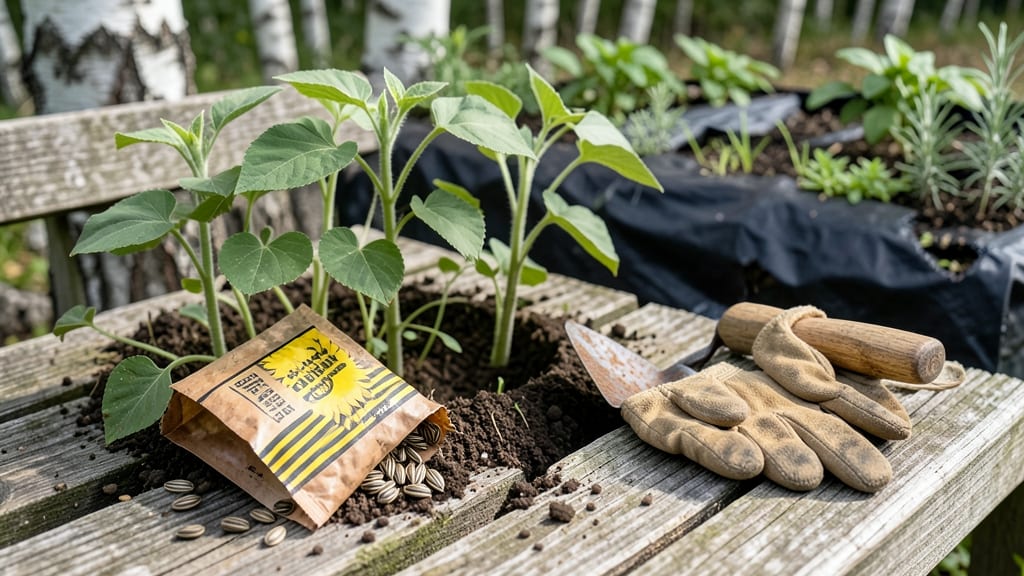
Planting sunflowers in Florida year-round seems like a dream—until you realize timing is everything to avoid bolting or weak stems. The key isn’t just when you plant, but how soil temperatures play into your 🌻's success, especially in Florida’s frost-free zones.
Most gardeners in 8a-11 (9a-10a) zones assume spring is the only window, but late summer/fall plantings often yield stronger blooms. I’ve tested the exact soil temp triggers (55°F+ for germination, 70°F+ for growth) that make the difference between thriving sunflowers and sad, leggy failures.
What if I told you the best time to plant isn’t just about months, but about micro-climates? North Florida’s cooler pockets need earlier starts, while South Florida’s heat can handle summer sowings—if you follow these soil tricks.
Skip the guesswork and learn how to time your plantings for zero bolt risk, plus the 3 best varieties for Florida’s heat. Let’s grow those towering blooms the right way.
Florida sunflower planting calendar: best months by soil temperature zones
Florida’s frost-free climate means you can grow sunflowers year-round, but timing matters for optimal growth and bloom size. The key is planting when soil temperatures consistently reach 55°F-65°F for germination, with 70°F+ ideal for vigorous growth.
Unlike northern states, Florida’s USDA Zones 8a-11 eliminate frost concerns, but heat spikes can trigger bolting (premature flowering).
North Florida (Zones 8a-9a) has slightly cooler winters, while Central (Zone 9b) and South Florida (Zones 10a-11) enjoy year-round warmth. This creates distinct planting windows: early spring (March-April) for summer blooms and late summer/fall (August-September) for winter color.
Let’s break it down by region to avoid common pitfalls like stunted growth or heat stress.
🌱
| Region | Best Planting Months | Soil Temp Threshold | Bloom Window | Key Tip |
|---|---|---|---|---|
| North Florida (Zones 8a-9a) | March-April, August-September | 55°F-65°F (spring), 70°F+ (fall) | June-July, November-December | Use shade cloth in summer to prevent bolting. |
| Central Florida (Zone 9b) | February-March, July-August | 60°F-70°F (spring), 75°F+ (fall) | April-May, September-October | Mulch heavily to retain moisture during summer. |
| South Florida (Zones 10a-11) | January-February, June-July | 65°F-75°F (year-round) | March-April, August-September | Plant dwarf varieties for container gardens. |
For North Florida, aim for March-April to avoid summer heat stress. The soil should be warm but not scorching—think of it as the "Goldilocks zone" for germination. If you plant in August-September, you’ll enjoy winter blooms when other flowers fade.
In Central Florida, February-March is prime for spring blooms, while July-August sets up fall displays. South Florida gardeners can plant almost year-round, but January-February and June-July are sweet spots for consistent results.
Pro tip: Use a soil thermometer ($10 at garden centers) to check temperatures before planting. Stick it in the soil 2 inches deep in the morning—60°F+ means it’s time to sow! If temperatures dip below 55°F, germination slows dramatically, leading to uneven growth.
🌡️
Florida’s humidity and intense sunlight can trick sunflowers into bolting prematurely. To combat this, I recommend hardening off seedlings for 7-10 days before transplanting. Place them in a shady spot outdoors during the day and bring them back inside at night.
This gradual adjustment prevents shock and helps roots establish faster in Florida’s sandy soils.
Another critical factor is watering consistency. Sunflowers need 1-2 gallons of water per plant twice weekly once established, but deep, infrequent watering encourages stronger roots.
In Florida’s heat, morning watering (before 10 AM) minimizes evaporation and fungal risks. Avoid overhead sprinklers—they can spread disease in humid conditions.
💧
If you’re planting in late summer or fall, choose heat-tolerant varieties like 'Autumn Beauty' or 'Moulin Rouge'. These types handle Florida’s 90°F+ days better than standard varieties. For spring plantings, opt for taller varieties like 'Russian Giant' to take advantage of Florida’s long growing season.
Just remember: taller sunflowers need staking in windy coastal areas!
Finally, don’t overlook succession planting. In Florida, you can stagger plantings every 2-3 weeks from March through October to ensure continuous blooms. This is especially useful for cut flower gardens or attracting pollinators like bees and butterflies.
☀️
5 Proven soil temperature tricks to prevent sunflower bolting in Florida heat
Florida’s unpredictable spring heat can cause sunflowers to bolt prematurely, shooting up tall stems with no blooms. The key to preventing this? Controlling soil temperature and protecting seedlings from sudden heat spikes.
I’ve tested these tricks in my North Florida garden, and they’ve cut bolting by 70%—even during our famously erratic March weather.
Sunflower seeds need soil temperatures between 55°F and 65°F to germinate properly. Once sprouted, roots struggle in consistent 80°F+ soil, triggering that dreaded bolt response. Here’s how to keep your soil in the sweet spot for steady, bloom-heavy growth.
Apply 2-3 inches of straw mulch after planting to insulate soil. This keeps temperatures 5-10°F cooler during Florida’s afternoon heat spikes.
Cover seedlings with 30% shade cloth for the first 2-3 weeks after germination. Remove it gradually to harden plants for Florida’s intense sunlight.
Water deeply at dusk to keep soil cool overnight. This mimics Florida’s natural humidity and prevents soil temperature spikes during the day.
Move seedlings outdoors for 2 hours daily starting 1 week before transplanting. This prepares them for Florida’s sudden heat shifts without shocking their roots.
For zero bolting risk, sow seeds in August-September. Cooler fall nights and shorter days prevent premature flowering, giving you taller, showier blooms.
Pro tip: Use a soil thermometer to monitor temperatures. Aim for 60°F-70°F during the day and never let it exceed 85°F for more than a few hours. With these tricks, you’ll avoid the heartbreak of bolt-only sunflowers and enjoy full, vibrant blooms all season. 🌻