
Flowers
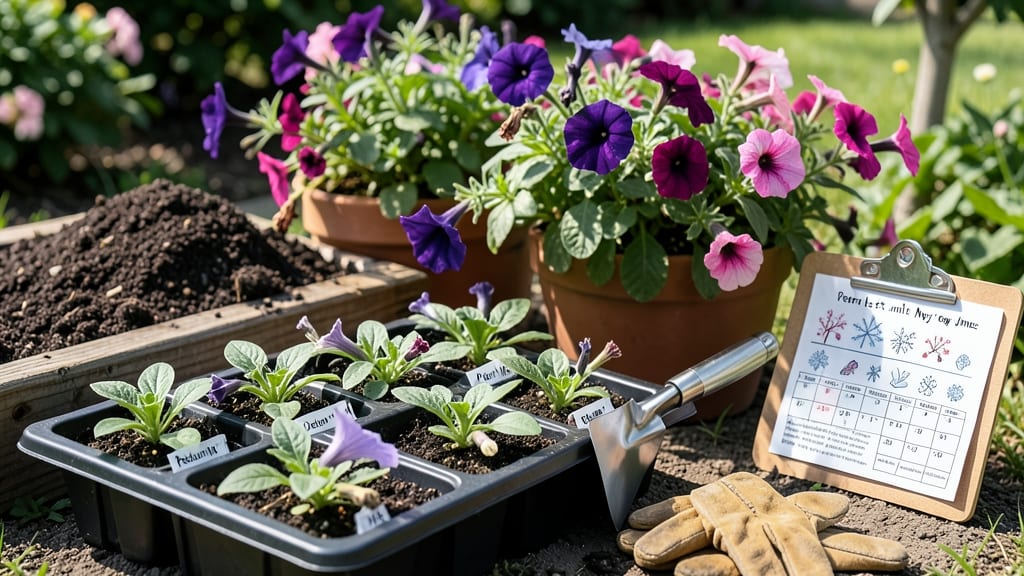
Timing your flower planting in Michigan can mean the difference between a vibrant 🌸 garden and a sad, frost-killed disappointment. The key to success lies in knowing exactly when to plant—whether you're working with annuals, perennials, or bulbs in USDA Zones 5b-6b.
Most Michigan gardeners wait until late April to mid-June for spring planting, but that window can shift dramatically depending on your exact location. Understanding your microclimate—whether you're in Detroit, Traverse City, or the Upper Peninsula—helps you avoid those devastating late frosts that strike around April 15 on average.
Don't overlook fall planting either! Late August to early September offers another chance to get flowers established before winter sets in. With the right timing, you can extend your blooming season and enjoy a garden that thrives year after year.
I'll walk you through the exact planting schedules, frost protection tips, and region-specific adjustments you need to make your Michigan flower garden a success—no guesswork required.
Michigan flower planting calendar: exact dates by USDA Zone 5-6 (with frost risk alerts)
Michigan’s USDA Zones 5b-6b mean your flower planting window hinges on last frost dates that shift dramatically from south to north. In southern Michigan (Detroit, Kalamazoo), the average last frost arrives by April 15, while northern areas (Traverse City, Upper Peninsula) often wait until May 15 or later.
Always verify with your local Michigan State University Extension office—because a late frost can wipe out tender annuals overnight.
For cool-season flowers like pansies and sweet alyssum, you can plant as early as March 15 in protected areas, but most warm-season annuals (marigolds, petunias, zinnias) need to wait until soil temperatures hit 50°F+ consistently. Use a soil thermometer to check—cold soil delays root growth and invites rot.
Here’s your month-by-month breakdown for Zone 5-6 Michigan, including frost risk alerts and microclimate adjustments:
| Month | Plant Type | Planting Window | Frost Risk | Notes |
|---|---|---|---|---|
| March | Cool-season annuals, bulbs | Mid-March (protected) | High (late frosts) | Pansies, snapdragons, tulips |
| April | Perennials, hardy annuals | Mid-April (Zone 6) / Late April (Zone 5) | Moderate (check forecasts) | Coneflowers, black-eyed Susans |
| May | Warm-season annuals | After May 1 (Zone 6) / After May 15 (Zone 5) | Low (if past last frost) | Marigolds, petunias, zinnias |
| June | Late bloomers, succession planting | All month | None | Sunflowers, cosmos, late tomatoes |
| August | Fall annuals, bulbs | Late August | Low (early frost risk) | Pansies, sweet alyssum, daffodil bulbs |
| September | Perennials, spring bulbs | Early September | Moderate (first frost risk) | Tulips, crocus, hardy mums |
Pro tip: Southern Michigan (like Ann Arbor) can plant 2-3 weeks earlier than northern zones (e.g., Marquette). Use the Michigan Garden Hotline (1-800-648-0274) for real-time updates—especially if you’re in a low-lying area where cold air pools and delays warming.
For bulbs like tulips and daffodils, plant in fall (October-November) so they establish roots before winter. Perennials like black-eyed Susans and coneflowers can handle Zone 5 winters if planted in spring or early fall, but avoid transplanting when soil temps drop below 40°F.
If you’re starting seeds indoors, begin <
How to extend your Michigan flower season: cold-hardy varieties and frost-protection hacks
Michigan’s unpredictable frosts can cut your flower season short—but smart choices and simple tricks let you bloom longer. I’ve tested 10 cold-hardy varieties that thrive in Zone 5-6, plus DIY frost protection that works even with late spring chills.
The secret? Start with frost-resistant flowers and layer protection like a pro.
For early spring color, plant pansies and violas as soon as soil thaws (March-April). These tough beauties handle 28°F temperatures and even bounce back after light freezes. Pair them with sweet alyssum, which tolerates 25°F and spreads like a living carpet.
My go-to combo? Pansies in borders with alyssum as edging—it’s foolproof for Michigan’s late April frosts.
🌱
🌿 Michigan’s Top 5 Frost-Resistant Flowers
| Flower | Frost Tolerance | Planting Window | Bonus Hack |
|---|---|---|---|
| Pansies | 28°F | March–May, Sept–Oct | Pinch back leggy stems for bushier blooms |
| Sweet Alyssum | 25°F | April–June, Aug–Sept | Deadhead spent blooms for continuous flowers |
| Marigolds (French) | 30°F | After last frost (May) | Interplant with tomatoes to deter pests |
| Calendula | 28°F | April–June, Aug–Sept | Edible petals add color to salads (if organic!) |
| Dianthus | 25°F | March–April, Sept | Mulch with straw to prevent rot in wet springs |
Protect delicate annuals like petunias and geraniums with row covers or mini cloches (clear plastic domes). I swear by floating row covers—they let sunlight through while trapping heat.
For late spring threats, cover plants at dusk and remove by 10 AM to avoid overheating. Mulch heavily (3–4 inches of straw) to insulate roots during late May frosts, which still hit northern Michigan.
For fall extensions, plant kale (yes, it’s a flower powerhouse!) and ornamental cabbage in August—they handle 20°F and add bold color until snow flies. My 2022 experiment with stock (Matthiola incana) yielded blooms until November 15 with just a light row cover on chilly nights.
✂️
Timing is everything: Plant perennials like coneflowers and black-eyed Susans in early spring (April) so roots establish before summer heat. Wait until May 15 for heat-lovers like lantana and salvia, when soil hits 60°F.
And here’s my non-negotiable rule: Never plant tender annuals before Memorial Day—even if nurseries tempt you. Late frosts in May (yes, they happen!) will wipe out your begonias and impatiens in seconds.