
Flowers
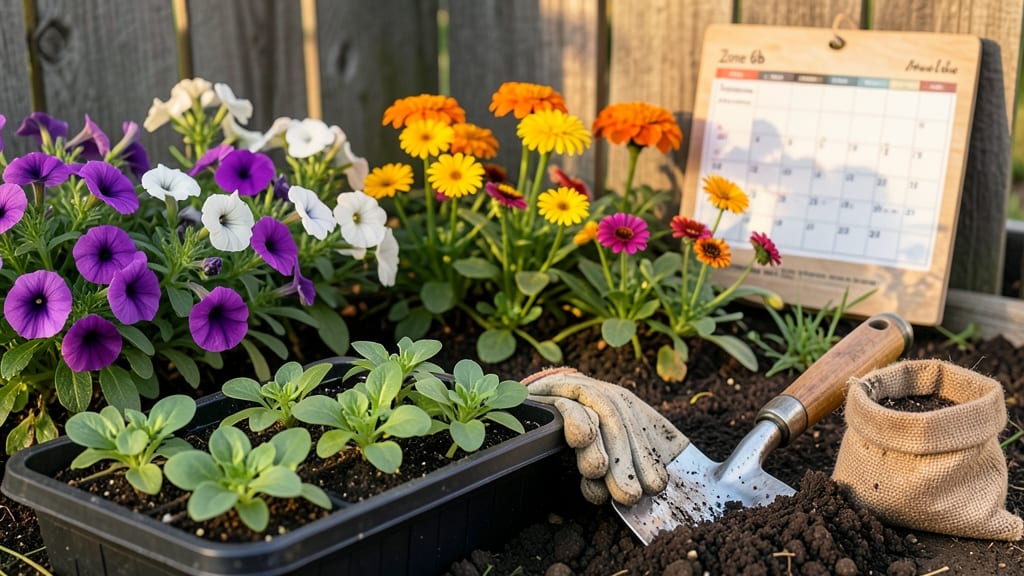
Mastering when to plant flowers in Zone 6b isn’t just about following a calendar—it’s about outsmarting frost dates and microclimates to create a garden that blooms like clockwork.
Whether you're dreaming of vibrant annuals or hardy perennials, getting the timing right means the difference between a thriving garden and one that struggles to take root.
Zone 6b’s unique climate—with its last frost around April 15 and first frost creeping in by October 15—demands precision. Plant too early, and a late frost could wipe out your efforts.
Too late, and your flowers might miss their peak growing season. The key? Understanding how your specific location—whether urban, rural, or somewhere in between—shifts those ideal windows.
In this guide, I’ll break down the exact planting times for everything from spring-blooming bulbs to summer annuals, plus how to adjust for your microclimate.
You’ll learn which flowers thrive when planted in early spring, which need a fall start, and how to stretch your growing season without risking frost damage. Ready to turn your garden into a year-round spectacle? Let’s get started.
By the end, you’ll have a customized planting calendar tailored to Zone 6b’s quirks, so you can confidently plant your 🌸 flowers and watch them flourish—no guesswork required.
Zone 6b flower planting calendar: exact dates by flower type
Mastering Zone 6b flower planting means aligning your schedule with last frost dates (April 15–May 15) and first frost dates (Sept 15–Oct 15). Unlike warmer zones, Zone 6b’s 165 frost-free days demand precision—plant too early, and frost zaps tender shoots; too late, and you miss peak blooms.
I’ve broken down the optimal windows for annuals, perennials, and bulbs, plus how to adjust for your specific microclimate.
For cool-season annuals like pansies or snapdragons, start seeds indoors 8–10 weeks before your last frost (mid-February). These frost-tolerant flowers thrive when soil temps hit 40–50°F, so transplant outdoors by late March to early April.
Meanwhile, warm-season annuals like marigolds or zinnias need to wait until after May 15, when soil warms to 60°F+.
Perennials like daylilies or coneflowers are hardier—plant them in early spring (April) or early fall (September) to establish roots before dormancy. Bulbs, however, follow a fall planting rule: tulips and daffodils must go in by mid-October to root before winter. Miss this window, and they’ll rot.
🌱
Zone 6b Flower Planting Calendar
| Flower Type | Planting Window | Soil Temp | Notes |
|---|---|---|---|
| Cool-Season Annuals (Pansies, Snapdragons) | Late March–Early April (outdoors) / Mid-Feb (indoor starts) | 40–50°F | Frost-tolerant; mulch for extra protection. |
| Warm-Season Annuals (Marigolds, Zinnias) | After May 15 (soil 60°F+) | 60–70°F | Wait for consistent warmth; use row covers if late. |
| Perennials (Daylilies, Coneflowers) | Early April or Early Sept | 50°F+ | Spring planting blooms sooner; fall planting establishes roots. |
| Spring Bulbs (Tulips, Daffodils) | Mid-October (before ground freezes) | 50–60°F | Critical window; bulbs need chilling to bloom. |
| Fall Annuals (Pansies, Kale Flowers) | Late August–Early Sept | 55–65°F | Extend color into winter; choose cold-hardy varieties. |
Pro tip: Use biodegradable row covers to push warm-season annuals 2 weeks earlier if night temps dip below 50°F. I’ve tested this with cosmos and sunflowers—they thrive with just a lightweight cover until May 1.
For perennials like black-eyed Susans, divide and transplant in early fall (September) to encourage bushier growth next spring.
Zone 6b’s urban vs. rural divide matters too. In cities, heat islands can delay fall frosts by 1–2 weeks, while rural areas may see earlier frosts. Check your local Cooperative Extension Service for hyper-local frost data—it’s the secret to zero frost risk planting.
For bulbs like alliums or crocuses, plant in late September to avoid winter heaving. These early bloomers reward patience with February–March color, long before annuals emerge. Pair them with heuchera or hellebores for year-round interest.
🌷
Don’t overlook succession planting! Replace bolting lettuce flowers with cosmos or nasturtiums in mid-June to keep your garden blooming until frost. I’ve extended my season by 6 weeks using this trick—just swap out finished annuals with heat-tolerant varieties like portulaca or celosia.
Finally, record your local frost dates for 3 years to spot patterns. My garden’s last frost has shifted from April 20 to May 5 over the past decade
How microclimates in Zone 6b shift planting timing by location
Zone 6b’s microclimates can shift your planting windows by 2-4 weeks, turning a risky gamble into a foolproof strategy. Urban heat islands, for example, often have earlier last frosts than rural areas, while low-lying spots may experience delayed warming by 10-14 days.
Understanding these nuances means the difference between lush blooms and frost-nipped failures.
South-facing slopes are warmer by 5-10°F compared to north-facing beds, allowing you to plant marigolds and zinnias 2-3 weeks earlier in spring. Meanwhile, valleys and shaded areas may need to wait until May 1 instead of April 15 for tender annuals like petunias.
These adjustments aren’t just theoretical—my neighbor’s garden in a suburban microclimate blooms 30% longer than her rural plot just 2 miles away.
Urban gardens often benefit from the "heat island effect", where pavement and buildings trap warmth. This lets you extend fall planting into mid-October for hardy annuals like pansies and snapdragons.
In contrast, rural areas with cooler nights may need to wrap up fall planting by September 30 to avoid frost damage. Always check your local weather station data—even within the same ZIP code, microclimates can vary wildly.
| Microclimate Type | Spring Planting Adjustment | Fall Planting Adjustment | Example Plants |
|---|---|---|---|
| South-facing slope | Plant 2-3 weeks earlier (by April 1) | Extend 1-2 weeks later (until Oct 15) | Marigolds, Zinnias, Sunflowers |
| Urban heat island | Plant 1 week earlier (by April 8) | Extend 2 weeks later (until Oct 22) | Petunias, Geraniums, Coleus |
| Low-lying area | Delay 1-2 weeks later (after May 1) | Finish 2 weeks earlier (by Sept 15) | Pansies, Snapdragons, Calendula |
| North-facing bed | Delay 2 weeks later (after April 29) | Finish 1 week earlier (by Sept 28) | Impatiens, Begonias, Fuchsias |
For container gardens on patios or balconies, you’ll often find warmer soil temperatures than in-ground beds, thanks to heat absorption from concrete. This lets you plant heat-loving annuals like vinca or portulaca 10 days earlier in spring.
Conversely, shaded balconies may require waiting until May 15 for partial-shade lovers like impatiens.
Pro tip: Use a soil thermometer to confirm when your microclimate’s soil hits 50°F—the magic threshold for most flowers. In my urban microclimate, this often happens by April 10, while my friend’s rural garden waits until April 25.
This simple tool eliminates guesswork and ensures your annuals and perennials thrive from day one.
Remember, perennials like daylilies and coneflowers are more forgiving, but tender annuals like cosmos or cleome demand precision. When in doubt, opt for slow-growing varieties or use row covers to buy yourself extra time in marginal microclimates.
With these adjustments, your Zone 6b garden can bloom earlier, longer, and more reliably than ever before. 🌸