
Companion Plants
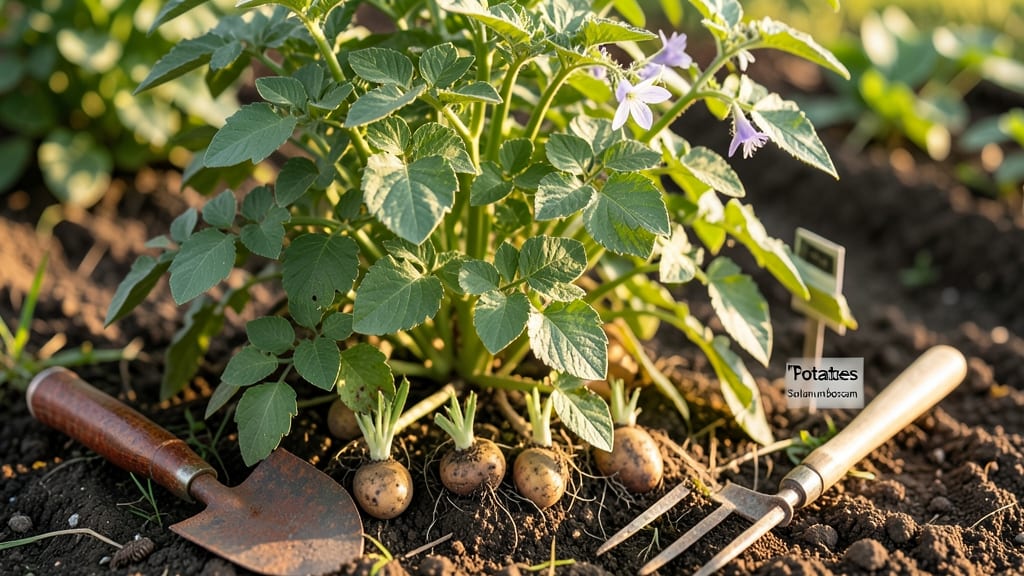
If you're asking "when can I plant potatoes in Zone 7", timing is everything—get it right, and you'll harvest sweet, tender 🥔 tubers; get it wrong, and you're left with bitter, woody potatoes (or worse, wasted seeds).
Zone 7's mild winters and hot summers create a unique challenge, but with the right strategy, you can avoid common mistakes and maximize your yield.
The key is planting your seed potatoes 2-4 weeks before your last frost date—typically between early March and mid-April—but soil temperature matters just as much as the calendar. Cold soil can stunt growth, while warm soil triggers early sprouting that leads to bolting.
I’ll break down exactly how to time it for your specific variety, whether you’re growing early, mid, or late-season potatoes.
You’ll also discover how to adjust for Zone 7’s unpredictable spring weather, from using row covers to warming cold soil faster. Plus, I’ll share the best potato varieties for your climate—some thrive in late springs, while others handle humidity better. Let’s make sure your potatoes grow strong, not struggle.
Ready to plant with confidence? By the end of this guide, you’ll know the exact weeks to plant, how to prep your soil, and which varieties will give you the best harvest. No more guesswork—just a bountiful 🥔 harvest you can count on.
Zone 7 potato planting calendar: exact weeks before last frost for zero-bolt success
In Zone 7, where winters are mild and springs can be unpredictable, timing your potato planting is everything. The last average frost date is around March 15, but soil temperature—not the calendar—dictates when to plant.
For most varieties, aim to plant 2-4 weeks before that date, when soil reaches 45°F (7°C). This window prevents bolting (premature flowering) and ensures tubers form properly instead of becoming bitter or woody.
Zone 7 gardeners have two main planting strategies: spring planting (most common) and fall planting (for a late harvest). Spring planting starts in February or early March, while fall planting happens in late summer (August-September) for a harvest before the first frost.
The key is avoiding late spring frosts, which can damage young plants, and ensuring enough growing days (90-120) before harvest.
Your potato variety also dictates timing. Early varieties like Yukon Gold can handle cooler soils and shorter seasons, while late varieties like Russet Burbank need warmer soil and longer growing periods.
Below, we break down the exact planting windows, soil temperature thresholds, and harvest timelines for each type to maximize your yield in Zone 7’s climate.
🌱
| Variety Type | Ideal Planting Window (Weeks Before Last Frost) | Soil Temperature Requirement | Harvest Window | Key Risk to Avoid |
|---|---|---|---|---|
| Early Varieties (e.g., Yukon Gold, Red Norland) | 4-6 weeks before last frost (Feb 15 - Mar 1) | 45°F (7°C) minimum | 60-90 days after planting (late May - June) | Bolting from warm soil too early |
| Mid-Season Varieties (e.g., Kennebec, Adirondack Red) | 2-4 weeks before last frost (Mar 1 - Mar 15) | 50°F (10°C) minimum | 90-110 days after planting (June - early July) | Late frosts damaging foliage |
| Late Varieties (e.g., Russet Burbank, German Butterball) | After last frost (Mar 15 - Apr 15) | 55°F (13°C) minimum | 110-120 days after planting (July - early August) | Heat stress reducing tuber quality |
| Fall Planting (e.g., Red Pontiac) | August - September (8-10 weeks before first frost) | 50°F (10°C) minimum | October - November (before first frost) | Frost killing tubers before harvest |
For Zone 7 gardeners, the 4-6 week window before the last frost is your sweet spot for early varieties. If you plant too early, your potatoes may bolt (send up flowers) and produce small, bitter tubers.
If you wait too long, you risk late frosts damaging young plants or a shortened growing season. Use a soil thermometer to confirm temperatures meet the requirements for your chosen variety before planting.
Pro tip: If your spring is unusually cold, consider using black plastic mulch or straw mulch to warm the soil faster. This can shave off critical weeks and give your potatoes the head start they need.
Always plant seed potatoes (not grocery store potatoes) with eyes facing up and 4 inches deep for optimal growth.
🌿
Harvest timing is just as critical as planting. Most potatoes are ready to harvest when the foliage yellows and dies back, typically 90-120 days after planting. For early varieties, this might be as early as late May, while late varieties could extend into early August.
Dig up a few tubers to check for size—aim for 2-3 inches in diameter—and avoid harvesting when the soil is too wet, which can cause
How to adjust planting time for Zone 7’s unpredictable spring weather
Zone 7’s spring weather is famously unpredictable—one day it’s 60°F and sunny, the next it’s 32°F with frost. If you plant too early, your seed potatoes will rot in cold soil.
Too late, and you risk bolting (flowering) before tubers mature. The key is flexibility: adjust based on soil temperature, not just calendar dates.
Start by testing your soil’s readiness. Stick a soil thermometer 4 inches deep—potatoes need 45°F (7°C) minimum to sprout. If your thermometer reads below this, delay planting. Even if daytime temps feel warm, nighttime chills can stall growth or invite disease.
Here’s my foolproof method for timing: Wait until 3 weeks before your last frost date (typically mid-March in Zone 7), then monitor for consistent warmth. Use black plastic mulch or straw to warm soil faster—this can shave off 1-2 weeks of waiting time.
For extra protection, cover rows with floating row covers if frost threatens after planting.
🔍 Numbered Highlights: Adjusting for Zone 7’s Spring Quirks
- 1. The Sprout Test: Plant seed potatoes indoors in egg cartons 4-6 weeks before outdoor planting. When sprouts reach 1 inch, soil should be ready.
- 2. Soil Warmers: Lay black plastic over beds 2 weeks before planting to raise temps by 5-10°F. Remove it after planting to prevent overheating.
- 3. Frost Watch: Use row covers or old bedsheets for 30°F nights after planting. Secure edges with bricks or soil to avoid wind damage.
Don’t ignore the moon phase either—planting during a waxing moon (when roots grow stronger) can improve yields. Check a lunar calendar for your region, but prioritize soil temp over astrology. If you’re still unsure, opt for late-season varieties like ‘Adirondack Red’—they tolerate cooler soils better.
Pro tip: Plant a test row 1-2 weeks before your target date. If these potatoes thrive without frost damage, it’s safe to plant your full crop.
This minimizes risk when spring drags on. Remember, Zone 7’s last frost isn’t a deadline—it’s a guideline. Your soil’s temperature is the real boss.
Finally, keep a planting journal to track what works. Note the exact date you planted, soil temps, and any weather surprises. Next year, you’ll nail the timing like a pro. Patience pays off—bitter, woody potatoes are a rookie mistake!