
Companion Plants
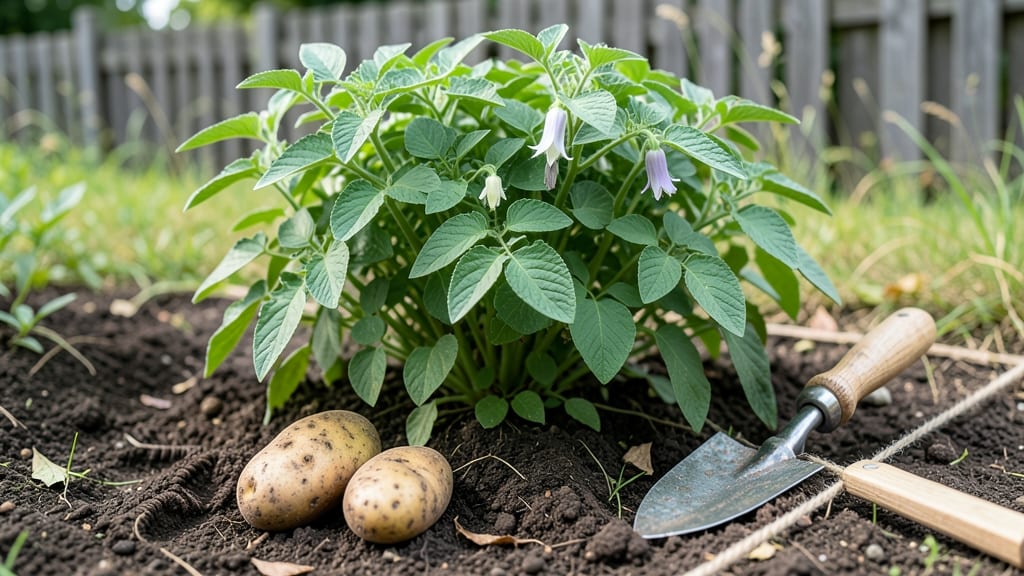
When can I plant potatoes in Zone 5? Timing your potato planting in this climate isn’t just about tossing seeds into the dirt—it’s the difference between a garden full of 🥔 and a sad, withered mess. Zone 5’s unpredictable frosts and chilly springs demand precision, and getting it wrong can leave your spuds struggling to break through the soil.
Most gardeners in Zone 5 wait until the soil warms to 45°F, but that’s not the whole story. The real secret lies in planting 2-4 weeks before your last frost date, giving your tubers time to sprout before the ground freezes again.
I’ll show you exactly how to time it right—no guesswork, just a foolproof schedule tailored for your climate.
Why does this matter? Because potatoes need 60-90 days to mature, and planting too early risks frost damage, while planting too late cuts your harvest short.
We’ll break down the best weeks to plant, how to prep your soil, and even how to adjust for local microclimates that might be warmer or cooler than the average Zone 5 forecast.
Ready to grow potatoes that outperform store-bought? Let’s dive into the exact steps—so you can enjoy homegrown 🥔 from summer through fall without a single wasted spud.
Zone 5 potato planting timeline: exact weeks before last frost for maximum growth
In Zone 5, potatoes thrive when planted at the perfect moment—too early and cold soil stunts growth, too late and you miss peak harvest. The key is timing your planting 2-4 weeks before your last spring frost, when soil reaches 45°F (7°C).
This window ensures tubers sprout before summer heat arrives.
Most Zone 5 gardeners aim for mid-April to early May, but exact dates vary by microclimate. Check your local USDA frost date (typically April 15–May 1 in Zone 5) and adjust.
For example, if frost hits May 10, plant by April 15 to give tubers 60–90 days to mature.
Cold soil delays sprouting, so use a soil thermometer to confirm warmth. If temperatures drop below 50°F (10°C), cover seedlings with frost cloth until danger passes. This protects young plants while they establish roots.
For fall planting, a second crop is possible in Zone 5 if you plant July 1–15 (harvest before first frost in October–November). Choose early-maturing varieties like 'Yukon Gold' (60–70 days) to succeed.
Common mistakes include planting too deep (bury seeds 4 inches deep, not 6+) or ignoring soil drainage. Potatoes rot in soggy soil, so amend clay soil with compost or sand before planting.
| Planting Stage | Action | Zone 5 Timeline |
|---|---|---|
| Soil Prep | Loosen soil, add compost | March–April |
| Plant Seeds | 4" deep, 12" apart | 2–4 weeks before last frost |
| Sprouting | Emerges in 2–3 weeks | April–May |
| Hilling | Add soil to stems | June–July |
| Harvest | Dig when foliage yellows | July–September |
If you miss the spring window, don’t despair—fall planting works too! Plant July 1–15 for a late harvest, but prioritize early-maturing varieties (e.g., 'Red Pontiac') to avoid frost damage. Always test soil pH (5.0–6.5) and add balanced fertilizer at planting.
Pro tip: Use black plastic mulch to warm soil faster in Zone 5’s cooler springs. Lay it down 1–2 weeks before planting to jumpstart growth. This trick adds 2–3°F to soil temperature, accelerating sprouting.
For container growers, plant seed potatoes in 5-gallon pots by May 1 and place in full sun. Containers warm up faster than ground soil, extending your Zone 5 growing season by 1–2 weeks.
Remember: Potatoes need 60–90 days to mature, so calculate backward from your first frost date. In Zone 5, that’s usually October 15–30, meaning your last planting window is July 1 for a fall crop.
By mastering these Zone 5-specific timelines, you’ll avoid the heartbreak of underdeveloped tubers or frost-killed plants. Happy planting—your future mashed potatoes will thank you! 🥔
How to adjust your planting schedule for different potato varieties in Zone 5
Not all potato varieties thrive on the same schedule in Zone 5. Early types like Yukon Gold need planting 2-4 weeks before your last frost, while late varieties such as Russet Burbank can wait until 4-6 weeks after.
The key is matching your variety’s maturity days to your growing season length.
For example, early potatoes (60-90 days) like Red Pontiac can handle cooler soils, but late varieties (110+ days) like Kennebec need warmer conditions. Planting them too early risks rot, while waiting too long stunts growth. Soil temperature should be at least 45°F for sprouting.
Here’s how to align your planting with Zone 5’s 140-160 frost-free days:
| Variety Type | Planting Window | Days to Maturity | Zone 5 Notes |
|---|---|---|---|
| Early (New Potatoes) | 2-4 weeks before last frost | 60-90 days | Ideal for cool soils (45-50°F). Harvest young for tender skins. |
| Mid-Season (All-Purpose) | 2-4 weeks after last frost | 90-110 days | Wait for soil warmth (50-55°F). Best for storage potatoes. |
| Late (Russets) | 4-6 weeks after last frost | 110-130 days | Needs longer season and warmer soil (55°F+). Plant after mid-May in Zone 5. |
For early varieties, I recommend planting Yukon Gold or Red LaSoda in late April (if soil is workable). These thrive in cooler temps and can even handle a light frost. Meanwhile, Russet Burbank or Kennebec should wait until early June for optimal growth.
Pro tip: Use black plastic mulch to warm soil faster for late varieties. This can shave off 1-2 weeks of waiting time. Just remove it once plants emerge to prevent overheating.
If your season feels too short, opt for early or mid-season varieties. For example, Adirondack Blue (90 days) is perfect for Zone 5’s shorter summers. Always check your local frost dates—they can vary 1-2 weeks even within Zone 5.
Finally, consider a second planting of early varieties in late June for a fall harvest. This works if your area has a long enough growing season (at least 140 days frost-free). Just be prepared to harvest before winter sets in.