
Companion Plants
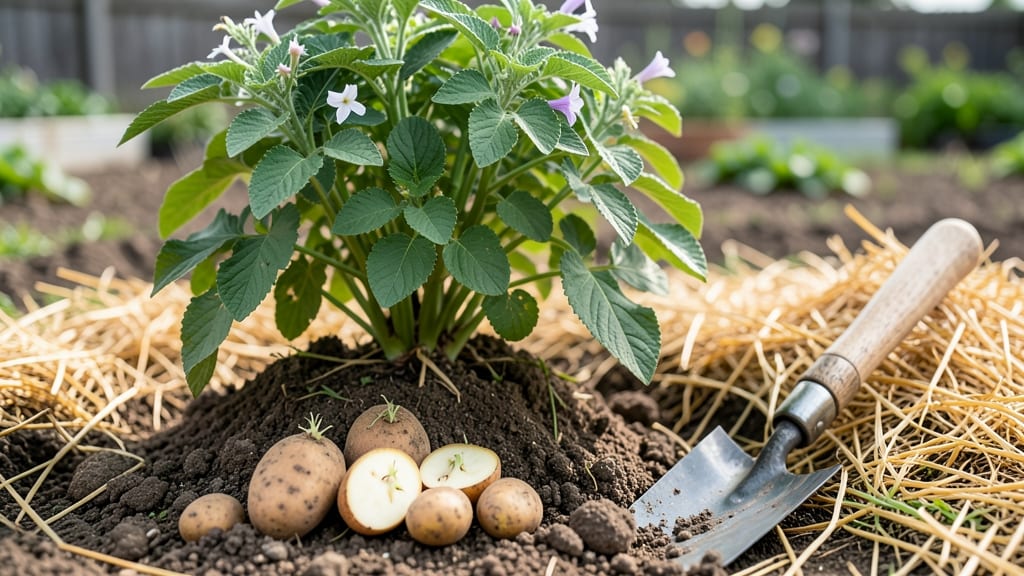
If you're wondering "when can I plant potatoes in Georgia", timing is everything—and getting it wrong could mean lost harvests or stunted growth. Georgia's 7b-8b climate gives you two main windows, but coastal areas and inland counties behave differently, making a one-size-fits-all approach risky.
Most gardeners in Georgia's 7b-8b zones plant 🥔 potatoes between February and March for early varieties, but late plantings in April-May work for slower-growing types. The key? Avoid planting when soil temps dip below 45°F—cold soil slows sprouting and invites rot.
Here’s the game-changer: Your county’s last frost date (usually mid-March) determines your exact window. Coastal areas like Savannah can start earlier, while North Georgia’s higher elevations need to wait until soil warms. We’ll break down the perfect county-specific timing so you never guess again.
Ready to grow bigger, healthier potatoes? Let’s dive into the frost-free timeline that’ll have your 🥔 harvest thriving—no matter where in Georgia you garden. You’ll learn how to adjust for microclimates, pick the right varieties, and avoid the 3 biggest mistakes that ruin crops.
Georgia potato planting zones: frost-free dates by county
Georgia’s diverse climate—from the humid subtropical Southwest to the mild Central regions and cooler Northwest areas—means your potato planting window varies dramatically by county. The key is knowing your last frost date, which typically ranges from mid-February in South Georgia to late March in the North.
For example, Camden County (Zone 8a) can plant as early as late January, while Dawson County (Zone 7a) should wait until mid-April to avoid frost damage.
Most of Georgia falls within USDA Zones 7b-8b, but microclimates—like valleys or urban heat islands—can shift your ideal planting window by 1-2 weeks. Use the table below to pinpoint your county’s frost-free zone and plan accordingly.
Pro tip: Chit your seed potatoes (pre-sprout indoors) if you’re in a Zone 7a area to jumpstart growth once the soil warms.
Here’s how to read the table: Early planting zones (like Appling County) allow for February-March starts, while late zones (like Fannin County) should wait until April-May. Always confirm your local frost dates using the National Weather Service or your Extension Office—they update annually!
For Northwest Georgia (Zones 7a-7b), aim for April 15-May 1 to avoid late frosts. Central Georgia (Zones 7b-8a) can start March 1-April 15, and South Georgia (Zones 8a-8b) has the longest window: February 15-March 30.
Remember, soil temperature matters more than air temperature—wait until the ground reaches at least 45°F (7°C) for planting.
If you’re in a coastal county like Brunswick, you might even squeeze in a fall planting (late August-September) for a second harvest before the first frost. However, this requires fast-maturing varieties (like Red LaSoda) and careful monitoring of hurricane season, which can delay harvests.
| Zone Type | County Examples | Last Frost Date | Ideal Planting Window | Soil Prep Tip |
|---|---|---|---|---|
| Early (Southwest) | Camden, Lowndes, Lee | Mid-February | February 15–March 15 | Amend sandy soil with compost |
| Middle (Central) | Fayette, Spalding, Henry | Late February–Early March | March 1–April 1 | Break up clay with gypsum |
| Late (Northwest) | Dawson, Fannin, Gilmer | Late March | April 15–May 1 | Use raised beds for drainage |
| Coastal | Brunswick, Chatham, Camden | Early February | February 1–March 30 (or August–Sept for fall) | Drain excess water |
🌱 Pro Tip: Test soil pH (aim for 5.0–6.5) before planting—Georgia’s red clay often needs lime.
Missed the spring window? Don’t despair—Yukon Gold and Kennebec varieties can tolerate light frosts if planted in late March or early April. Just cover them with row fabric if a late frost is forecasted.
For North Georgia gardeners, this is your best bet to avoid the April 15–May 1 rush.
One common mistake is planting based on calendar dates instead of soil temperature. Use a soil thermometer—potatoes need consistent warmth to grow. In Zone 7a counties, soil may not reach 45°F (7°C) until mid-April, even if air temperatures feel spring-like earlier.
Patience here prevents rotting tubers and ensures strong yields.
For container gardening in Georgia’s urban areas (like Atlanta or Savannah), start seed potatoes indoors in February and transplant after the last frost. Use 5-gallon pots with well-draining mix and full sun exposure. This method extends your growing season by 2-3 weeks compared to in-ground planting.
Finally, keep an eye on long-range forecasts. The NOAA’s Climate Prediction Center often releases spring outlooks by February 15, which can help you adjust your planting timeline. For example, if they predict a cooler-than-average spring, delay planting by 1-2 weeks to avoid frost risks.
Best potato varieties for Georgia’s climate and planting timing
Choosing the right potato varieties for Georgia’s climate ensures a successful harvest. The state’s USDA Zones 7b-8b allow for both early and late-season planting, so select varieties that match your county’s frost-free dates.
For example, Southwest Georgia (Zone 8a) can plant as early as January-February, while Northwest Georgia (Zone 7a) should wait until March-April.
Early varieties like Red Pontiac mature in 90-100 days, perfect for spring planting in colder regions. Mid-season types such as Yukon Gold (100-110 days) thrive in Central Georgia’s warmer soil, while late varieties like Russet Burbank (120+ days) suit longer growing seasons in Southern Georgia.
Always check your last frost date—planting too early in cold soil can stunt growth.
🌱 Variety Guide for Georgia
Georgia’s red clay soil and sandy loam require extra prep. Amend heavy clay with compost or sand to improve drainage, while sandy soils benefit from organic matter to retain moisture.
Aim for pH 5.0–6.5—test your soil before planting. Chit potatoes (pre-sprouting) in cool, dark places for 4-6 weeks before planting speeds up germination in Northwest Georgia’s cooler climate.
Spacing is critical: plant seed potatoes 4 inches deep and 12 inches apart in rows 30 inches apart to prevent disease. Hilling soil around stems as plants grow protects tubers from sunlight (which turns them green and toxic).
In Southwest Georgia’s warmer zones, you can even try a fall planting of early varieties like Kennebec for a late harvest.
For container growing, choose bush varieties like Red LaSoda (100 days) in 5-gallon pots. Fill containers with well-draining mix and place them in full sun. Containers warm up faster than ground soil, so start them 2-3 weeks earlier than in-ground plantings.
Always use certified disease-free seed potatoes to avoid blight, a common issue in Georgia’s humid climate.
Monitor your plants for colorado potato beetles—a major pest in Georgia. Use row covers early in the season or apply neem oil as needed. Harvest when foliage yellows and tubers are firm, usually 70-90 days after planting.
Cure potatoes in a dark, dry place for 1-2 weeks to toughen skins before storing.