
Companion Plants
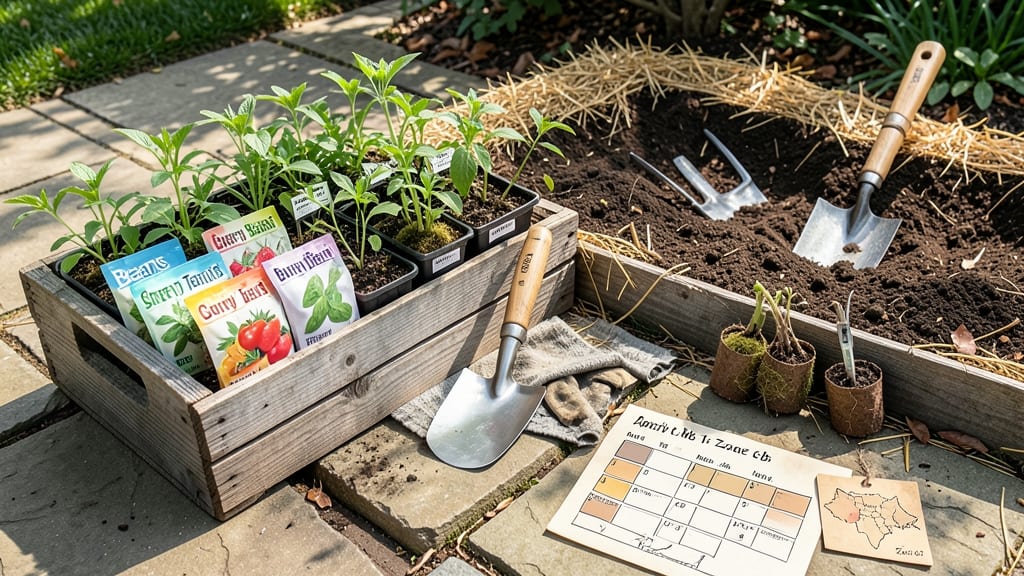
Figuring out when can I plant in Zone 6b can feel like solving a puzzle—one wrong move, and your seeds might end up as a sad, frost-kissed memory instead of a thriving garden.
The key isn't just knowing the calendar dates; it's understanding how your local climate plays with timing, soil, and even the moon (okay, maybe not the moon, but close!).
In Zone 6b, where last frosts usually linger around mid-April and first frosts sneak in by mid-October, the difference between a bountiful harvest and wasted effort often comes down to planting at the right moment.
Cool-season crops like spinach and peas can handle early springs, while tomatoes and peppers need to wait until the soil warms up—usually after Mother Nature finally says "it's safe now."
This guide will break down the exact windows for planting everything from veggies to flowers, so you can avoid common mistakes like rushing warm-season plants or missing the fall planting deadline.
Whether you're a seasoned gardener or just starting out, timing is everything—and we’ll show you how to get it right.
Ready to turn your garden dreams into reality? Let’s dive into the perfect planting schedule for Zone 6b, where every seed gets the chance to grow into something amazing. No more guesswork—just green thumbs and happy harvests ahead!
Zone 6b last frost dates: critical planting windows by season
Understanding Zone 6b last frost dates is the foundation of successful gardening in this region. The average last spring frost typically occurs around April 15, while the first fall frost usually arrives by October 15.
These dates create a 165-day growing season, giving you a clear window to plan your planting schedule.
However, these dates aren't set in stone—your exact last frost date can vary by 7-10 days depending on your specific location within Zone 6b. For example, areas near large bodies of water may experience later frosts, while inland regions often warm up faster.
Always check your local weather station data or use a frost calendar for your county.
Here's why these dates matter: Cool-season crops like lettuce and peas can handle light frosts, while warm-season crops such as tomatoes and peppers need consistent warmth to thrive.
Planting too early risks frost damage, while waiting too long may cut your harvest short. The key is aligning your planting with these critical dates.
🌱
| Season | Critical Date | Planting Window | Notes |
|---|---|---|---|
| Spring | Last Frost | April 15 (±7 days) | Plant warm-season crops 2-4 weeks after |
| Spring | Soil Warmth | Late April-Early May | Peppers/tomatoes need 60°F+ soil |
| Fall | First Frost | October 15 (±7 days) | Plant frost-tolerant crops 4-6 weeks before |
| Fall | Hard Frost | November 1 | Cover tender plants before November |
Microclimates play a huge role in Zone 6b. A south-facing slope might warm up 1-2 weeks earlier than a low-lying area, while valleys often experience later frosts. I always plant my tomato seedlings on the warmest part of my garden—typically against a south-facing fence—to give them a head start.
Even a 5-foot difference in elevation can shift your frost date by several days.
For cool-season crops, you can actually plant 2-3 weeks before the last frost date. Hardy vegetables like kale, spinach, and broccoli can tolerate light frosts, making them ideal for early spring or late summer plantings.
Meanwhile, warm-season crops like beans and cucumbers should wait until soil temperatures consistently reach 60°F.
Pro tip: Use a soil thermometer to verify warmth before planting heat-loving crops. I've learned the hard way that air temperature and soil temperature don't always align—especially in spring when days warm up but soil stays cold.
A black plastic mulch can help raise soil temperature by 5-10°F if you need to plant early.
Remember that fall planting is just as important as spring. Many gardeners overlook the opportunity to grow cool-season crops after summer heat subsides. By planting 4-6 weeks before the first frost, you can enjoy fresh carrots, radishes, and lettuce well into autumn.
This strategy extends your harvest season and maximizes garden space.
🌿
To create your own planting timeline, start by marking your last spring frost and first fall frost dates on a calendar. Then work backward from your desired harvest dates—most vegetables take 60-90 days to mature.
For example, if you want tomatoes by July 4th, you'll need to plant them by mid-May (allowing for 90-day growth). This method ensures you time your planting perfectly for peak harvests.
Finally, don't forget about succession planting. Even in Zone 6b's shorter season, you can maximize yields by staggering plantings every 2-3 weeks for crops like lettuce, radishes, and beans.
This technique keeps your garden productive throughout the entire growing season, giving you a steady supply of fresh produce from spring through fall.
Best crops to plant in Zone 6b: cool-season vs. warm-season scheduling
Zone 6b offers a perfect balance for both cool-season and warm-season crops, but timing is everything. Cool-season plants like lettuce and peas thrive in spring’s mild temperatures, while warm-season favorites such as tomatoes and peppers need the heat after your last frost date.
Let’s break down the ideal planting windows for each category to maximize your harvest.
For cool-season crops, start seeds indoors in early March for a head start. Transplant seedlings outdoors by mid-April once soil temperatures rise above 40°F. These crops tolerate light frosts, so don’t rush—wait until late April for hardier varieties like kale or broccoli to ensure success.
Warm-season crops demand patience. Plant tomatoes, peppers, and beans only after your last frost date, typically around May 1-15. Use row covers or cold frames to protect tender seedlings if nighttime temps dip below 50°F.
Succession planting every 2 weeks keeps your harvests continuous through summer.
🌱 Zone 6b Planting Timeline
Planting Window: March–April
Examples: Lettuce, Peas, Spinach
Key Tip: Tolerate light frost
Planting Window: May–June
Examples: Tomatoes, Peppers, Beans
Key Tip: Wait for soil >50°F
Planting Window: August–September
Examples: Kale, Radishes, Carrots
Key Tip: 4–6 weeks before first frost
Planting Window: Early Spring or Fall
Examples: Lavender, Tulips, Daylilies
Key Tip: Well-draining soil
Don’t overlook fall planting—it’s a game-changer for Zone 6b gardeners. Start cool-season crops again in late August for a harvest before winter sets in. Aim to plant 4–6 weeks before your first frost (usually mid-October) to ensure maturity.
Fast-growing crops like radishes and spinach are perfect for this window.
Flowers also fit neatly into these schedules. Plant annuals like marigolds or zinnias after your last frost for summer blooms, while perennials like coneflowers or black-eyed Susans can be planted in early spring or fall for year-round color. Mulch heavily after planting to protect roots from temperature swings.
Pro tip: Keep a planting journal to track your Zone 6b successes (and missteps!). Note when you planted, what worked, and any adjustments for next year.
For example, if your tomatoes struggled with blossom end rot, try adding calcium-rich compost or mulching thicker next season. Small tweaks make a big difference!