
Lawn
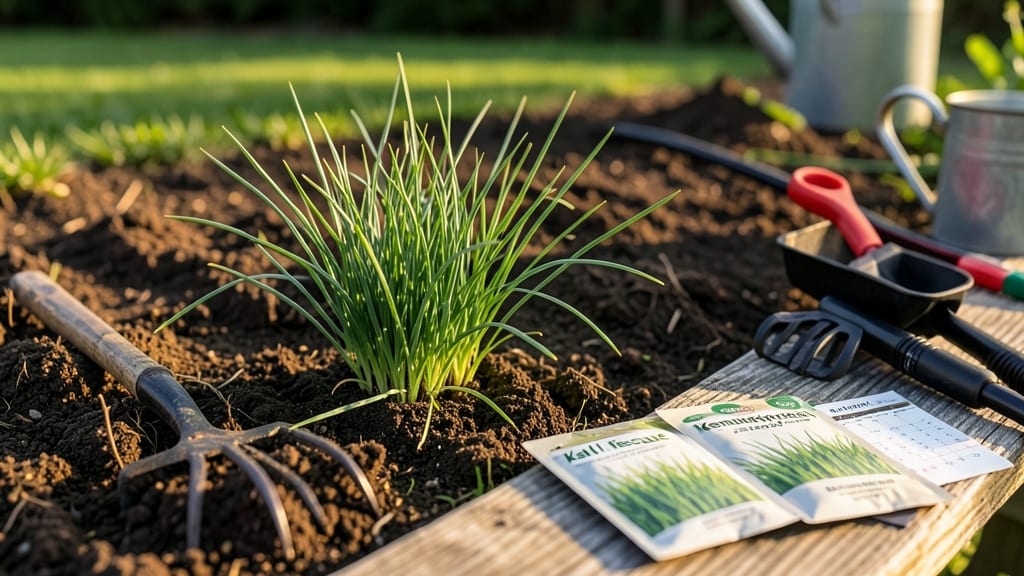
Planting grass seed in Ohio at the wrong time can mean the difference between a lush, green lawn and a patchy, struggling mess. The key to success isn’t just choosing the right seed—it’s timing it perfectly to avoid frost damage or scorching summer heat.
In USDA Zone 6a, where Ohio falls, your best window is narrow but critical: early spring or early fall when soil temperatures are just right.
You might think spring is the only option, but fall actually gives your grass a stronger start. Why? Because cooler temperatures reduce weed competition, and seedlings establish deeper roots before winter. We’ve seen firsthand how a well-timed fall planting can outperform a rushed spring effort—especially in Ohio’s unpredictable climate.
Let’s break down exactly when you should plant, what to watch for, and how to prepare your soil for maximum success. Whether you’re seeding a new lawn or overseeding an existing one, these insights will help you avoid common mistakes and get that thick, vibrant grass you’re dreaming of.
From checking soil temperatures to adjusting for microclimates, we’ll cover everything you need to know to plant with confidence. Ready to transform your yard? Let’s get started.
Ohio’s grass-seeding timeline by USDA Zone (2024 guide)
Ohio spans USDA Zones 5b through 6b, meaning your planting window varies by region. The key is planting when soil temperatures hit 50–60°F and staying 1–2 weeks after the last frost.
In northern Ohio (Zone 5b), this often means late April to early May, while southern Ohio (Zone 6a) can start as early as mid-March. Fall planting is another great option, with late August to mid-September being ideal for most zones.
Timing isn’t just about frost—it’s also about avoiding blacklayer disease (common in spring plantings) and ensuring seedlings get enough moisture and sunlight before summer heat sets in. Ohio’s clay-heavy soils also mean you’ll need to prepare your lawn bed properly to avoid compaction issues that can strangle new grass.
Here’s your zone-by-zone breakdown of when to plant grass seed in Ohio, including soil temperature thresholds and frost risks:
For example, if you’re in Columbus (Zone 6a), aim for mid-March to early April in spring or late August to early September in fall. Meanwhile, Cleveland (Zone 5b) gardeners should wait until late April to avoid frost damage.
Always check your local Almanac frost dates for the most accurate timeline.
Pro tip: Use a soil thermometer to confirm temperatures before planting. Seedlings need consistent moisture and warm soil to germinate properly. If your soil is still cold or wet, wait a few more weeks—rushing leads to patchy, weak growth.
Ohio’s clay-heavy soils can also slow germination, so consider adding compost or sand to improve drainage. This is especially critical in spring plantings, where waterlogged soil can suffocate seeds. Test your soil’s pH (ideal: 6.0–7.0) and adjust with lime or sulfur if needed.
Another key factor is grass seed type. Cool-season grasses (like Kentucky Bluegrass or Tall Fescue) dominate Ohio lawns and thrive in spring and fall. Warm-season grasses (like Bermuda) are rare in Ohio but prefer late spring plantings when soil is warm.
Stick to cool-season varieties for best results in most of the state.
If you’re unsure about your zone, use the USDA Plant Hardiness Zone Map or ask your local Ohio State University Extension office for tailored advice. They can also provide seed recommendations based on your specific soil type and lawn traffic needs.
Remember: The earlier you plant in fall, the better. Grass seeds sown in late August have 6–8 weeks of ideal growing conditions before winter, while spring plantings often face weed competition and drought stress as temperatures rise.
5 Critical factors that determine your planting date
Ohio’s grass seed won’t thrive if you plant at the wrong time—even if the calendar says spring. Beyond frost dates, five key factors dictate your optimal planting window.
Ignore them, and you’ll battle slow germination, disease, or wasted seed. Let’s break down what truly matters for Ohio’s cool-season grasses like tall fescue and Kentucky bluegrass.
First, soil temperature is non-negotiable. Grass seeds need soil between 50–75°F to germinate. In Ohio’s Zone 5b–6a, this typically means waiting until mid-April to early May for spring plantings—or mid-August to early September for fall. Use a soil thermometer (just $10) to check—cold soil = stalled growth.
Rainfall patterns are your second challenge. Ohio’s spring showers can drown seeds, while summer drought stresses new roots. Aim for 1–1.5 inches of rain per week after planting. If your forecast is dry, set up a light sprinkler system (even a DIY hose setup works) to keep soil consistently moist for the first 3–4 weeks.