
How To
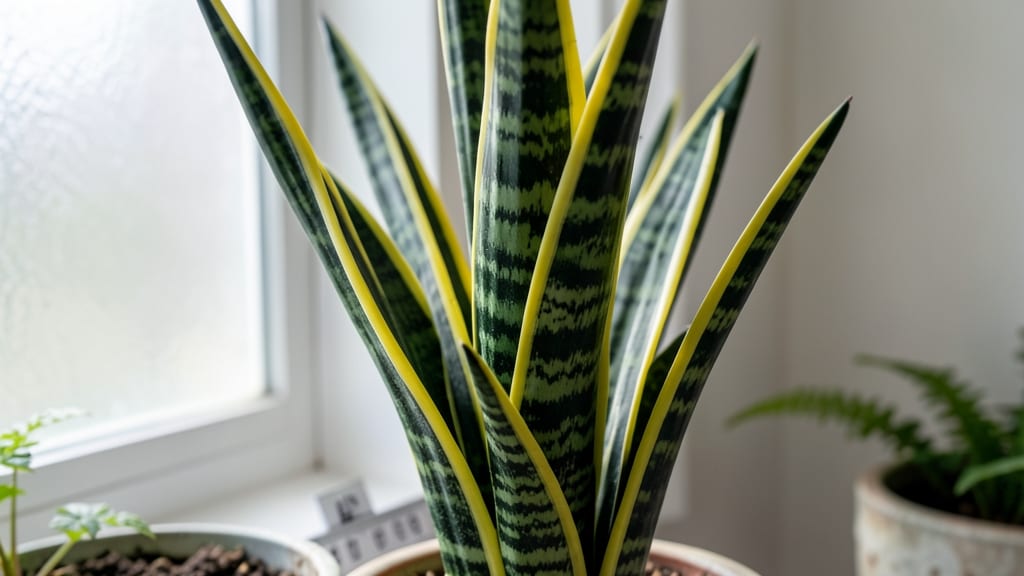
Most snake plants (Sansevieria trifasciata and its cousins) mature between 1 to 4 feet tall, depending on the type. For example, the classic 'Laurentii' might top out at 3 feet, while 'Futura Superba' can hit 4 feet or more with ideal conditions.
But here’s the catch: growth speed varies wildly based on light, pot size, and even your watering habits.
If you’re wondering whether your snake plant will need a ceiling hug or stay countertop-friendly, we’ll break down the exact height ranges by variety—and how to nudge your plant toward its full potential (or keep it small if space is tight).
Ready to stop guessing and start growing with confidence? Let’s dive into the numbers, care tweaks, and pruning secrets that’ll give you the height control you’ve been missing.

Snake plant height by variety: exact growth ranges and mature sizes
Snake plants (Sansevieria) are famous for their hardiness and striking foliage, but their height can vary dramatically depending on the variety. Some stay compact and bushy, while others grow tall and dramatic.
Understanding these differences helps you choose the right plant for your space and manage expectations for growth.
Most snake plants reach their mature height between 2 to 4 years, though some varieties grow slower. For example, the classic Sansevieria trifasciata 'Laurentii' typically matures at 2 to 3 feet, while the Sansevieria cylindrica can tower up to 4 feet or more.
Let’s break down the exact growth ranges for popular varieties.
📊 Quick Reference: Use the table below to compare varieties and plan your space accordingly. Whether you have limited shelf space or a sunroom to fill, knowing these ranges helps you make the best choice.
| Variety | Mature Height | Growth Rate | Time to Maturity |
|---|---|---|---|
| Sansevieria trifasciata 'Laurentii' | 2–3 ft | Moderate | 2–3 years |
| Sansevieria trifasciata 'Hahnii' (Bird's Nest) | 1–2 ft | Slow | 3–4 years |
| Sansevieria cylindrica | 3–4 ft | Fast | 2–3 years |
| Sansevieria trifasciata 'Futura Superba' | 2–3 ft | Moderate | 3–4 years |
| Sansevieria 'Moonshine' | 1–2 ft | Slow | 3–5 years |
The Sansevieria trifasciata 'Hahnii', often called the "Bird's Nest" snake plant, is a compact variety that rarely exceeds 2 feet. Its slow growth makes it perfect for small spaces like shelves or desks.
On the other hand, the Sansevieria cylindrica is a tall, slender variety that can grow up to 4 feet in ideal conditions, making it a statement piece for larger rooms or sunrooms.
If you’re working with limited vertical space, the 'Moonshine' or 'Hahnii' varieties are excellent choices. They stay low to the ground and spread wider instead of shooting upward. For a bold, vertical accent, the 'Laurentii' or 'Futura Superba' varieties add height without overwhelming smaller areas.
One common misconception is that all snake plants grow at the same rate. In reality, factors like light exposure, pot size, and soil quality can accelerate or slow growth.
For instance, a snake plant in a bright, sunny window may grow 1–2 feet per year, while one in a dim corner might take 5+ years to reach maturity. Always consider your environment when estimating growth.
For indoor gardeners, pot size plays a critical role. Snake plants in smaller pots (under 6 inches in diameter) grow slower because their roots are restricted. Upgrading to a 10–12 inch pot can encourage faster height growth, especially for taller varieties like Sansevieria cylindrica.
Just ensure the pot has drainage holes to prevent root rot.
If you’re worried about your snake plant outgrowing its space, don’t panic! Pruning is a simple way to control height and encourage bushiness.
I’ll cover this in detail in the next section, but for now, know that trimming the top leaves can stimulate new shoots at the base, creating a fuller, more compact plant.
Remember, snake plants are incredibly adaptable. Even if your variety grows taller than expected, their slow growth rate means you’ll have plenty of time to adjust. Start with the right variety for your space, and enjoy watching your plant thrive over the years! 🌿
How fast do snake plants grow? Factors that determine height and spread
Snake plants (Sansevieria) are famously slow-growing, but their growth rate can still vary dramatically based on your care routine. On average, most varieties grow just 6-12 inches per year, but with ideal conditions, some can reach 1-2 feet annually.
The key factors? Light exposure, pot size, and watering habits play the biggest roles in determining how tall and bushy your plant becomes.
If your snake plant is growing slower than expected, check its light conditions first. These plants thrive in bright indirect light but can survive in low light—though their growth will slow to a crawl.
I’ve seen Laurentii varieties nearly double in height when moved from a dim corner to a sunny windowsill, while others in low-light offices barely grow at all.
Pot size also impacts growth dramatically. Root-bound snake plants grow faster because their roots are confined, but this can lead to taller, leggier leaves. I recommend repotting every 2-3 years to encourage bushier growth.
A pot that’s 1-2 inches larger in diameter than the root ball gives leaves room to spread out instead of stretching upward.
- 💡 Light exposure: Bright indirect light = faster growth (up to 12 inches/year)
- 🏺 Pot size: Root-bound = taller growth; roomy pots = bushier plants
- 💧 Watering habits: Overwatering stunts growth; deep soaks every 2-3 weeks encourage healthy roots
- 🌡️ Temperature: 65-85°F is ideal; cooler temps slow growth
- 🌱 Variety: Cylindrica grows faster than Hahnii (bushier but shorter)
Watering habits often get overlooked, but they’re critical. Snake plants store water in their leaves, so overwatering is the #1 growth killer. I’ve seen plants with rotting roots grow not at all, while those watered just enough (every 2-3 weeks) develop thick, vibrant leaves.
Pro tip: Stick your finger 2 inches into the soil—if it’s dry, water; if moist, wait.
Temperature also plays a subtle but important role. These tropical plants grow best between 65-85°F, but they’ll enter dormancy below 55°F, halting growth entirely. If you’re in a cooler climate, keep your snake plant indoors near a south-facing window during winter to maintain steady growth.
Finally, don’t forget that young snake plants grow faster than mature ones. In their first 2-3 years, they can put on 6-12 inches annually, but growth slows to 3-6 inches per year once they reach maturity. Patience is key—these plants are built for longevity, not speed!