
How To
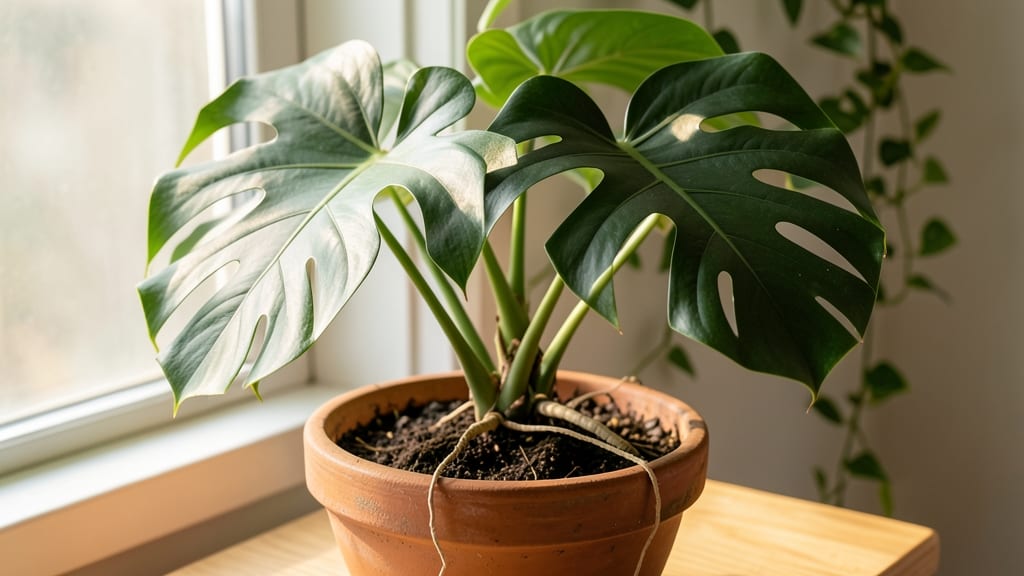
If your monstera plant how much light it needs is the key to fixing those brown edges or weak growth, the answer might be simpler than you think—it’s all about getting the balance right.
Monsteras thrive in bright, indirect light, but too much or too little can turn those gorgeous leaves into sad, crispy reminders of a lighting mistake.
Most people assume their monstera just needs "sunlight," but the truth is more nuanced. These tropical plants crave 4 to 6 hours of filtered light daily, mimicking their natural understory habitat.
Too much direct sun? You’ll see scorch marks. Too little? Your plant will stretch pitifully toward the window, begging for more.
Don’t worry—fixing it is easier than you’d expect. I’ll walk you through exactly how to spot the signs of poor lighting, where to place your monstera for optimal growth, and even how to supplement with artificial light if your home falls short.
By the end, you’ll know the exact light conditions your monstera craves to stay lush and happy.
Whether you’re dealing with a leggy juvenile or a mature plant with fading variegation, the right light makes all the difference. Let’s get your monstera back on track—no guesswork required.
Monstera light requirements: ideal hours and intensity for healthy growth
Your Monstera plant thrives in bright indirect light, but getting the balance right can feel tricky. Too little light, and those gorgeous split leaves won’t develop—too much, and you’ll end up with brown crispy edges or sunburned patches.
The key is understanding how light intensity and duration work together to fuel your plant’s growth.
Most Monstera deliciosa varieties (the classic Swiss cheese plant) need 4-6 hours of bright indirect light daily. Variegated types, like the Monstera albo or Monstera variegata, are even pickier—their white or yellow leaf patterns require more light to maintain vibrancy.
Without enough light, their variegation fades to solid green, and growth slows dramatically.
Indoor monsteras often struggle because windows vary wildly in light quality. A south-facing window might deliver too much direct sun, while a west-facing window can bake your plant in afternoon heat.
Even east or north-facing windows may not provide enough light if your monstera is tucked too far back from the glass.
Outdoor monsteras have different needs. In USDA Zone 6a or warmer, they can handle morning sun (6 AM–10 AM) followed by dappled shade for the rest of the day. Avoid placing them in full sun—even tropical monsteras can’t handle the intense midday rays without leaf damage.
| Light Condition | Daily Hours Needed | Ideal Placement | Signs of Stress |
|---|---|---|---|
| Low Light (<30%) | 0-2 hours | North-facing window, 10+ feet from glass | Pale leaves, no fenestrations, slow growth |
| Medium Light (30-50%) | 3-4 hours | East/west window, 2-3 feet from glass | Leggy growth, small leaves, weak stems |
| Bright Indirect (50-70%) | 4-6 hours | East/north window, sheer curtain filter | Healthy fenestrations, glossy leaves, steady growth |
| Direct Sun (>70%) | >6 hours | South/west window, no filter | Brown patches, crispy edges, leaf drop |
Monitor your monstera’s leaves for early warning signs. If the new growth is dark green and lacks splits, it’s begging for more light. Conversely, if you see yellowing between veins or white, papery patches, it’s getting too much direct sun.
The goal is to mimic the dappled forest light of its native habitat—bright but never harsh.
Juvenile monsteras (under 2 years old) are more sensitive to light than mature plants. They often need supplemental grow lights if placed in dim corners. Mature plants can tolerate slightly lower light conditions, but their growth rate will slow, and those iconic aerial roots may stop developing.
Pro tip: Rotate your monstera quarter-turn weekly to ensure even light exposure. Plants grow toward the light, so one side can become stretched and leggy while the other stays compact. This simple habit keeps your monstera symmetrical and robust.
Remember, monsteras are adaptable but not forgiving. If you notice crispy brown edges, move it away from the window. If leaves turn yellow and limp, it’s time to find a brighter spot.
With the right light, your monstera will reward you with lush, dramatic foliage and rapid growth.
Monstera light requirements: ideal hours and intensity for healthy growth
Monsteras thrive in bright indirect light, mimicking their natural habitat under tropical forest canopies. Standard monsteras need 4-6 hours of filtered sunlight daily, while variegated varieties require even more light to maintain their striking patterns.
Too little light causes pale, slow growth, while too much direct sun scorches leaves with brown crispy edges.
Position your monstera near an east or north-facing window for gentle morning light. South-facing windows work only if you use sheer curtains to diffuse harsh afternoon rays. Avoid west-facing windows, where intense late-day sun accelerates leaf burn.
🌿
| Variety | Light Needs | Signs of Stress | Best Placement |
|---|---|---|---|
| Standard Monstera | 4-6 hours bright indirect | Pale leaves, slow growth | East window, 3-5 ft away |
| Variegated Monstera | 6-8 hours bright indirect | Yellowing, lost variegation | South window with sheer curtain |
| Albo Monstera | 5-7 hours bright indirect | Brown patches, weak stems | Rotating near east window |
Juvenile monsteras (under 2 feet) tolerate lower light conditions than mature plants with large leaves. If your monstera's leaves aren't splitting, it may need more light to trigger fenestration (the iconic leaf holes). Rotate your plant quarter-turn weekly to ensure even light exposure on all sides.
Outdoor monsteras in USDA Zone 10+ can handle morning sun but should be moved to shade by midday. In cooler climates, bring potted monsteras indoors before temperatures drop below 60°F to prevent shock from temperature fluctuations.
For indoor growers, LED grow lights (12-15 watts per sq ft) can supplement natural light during winter months when daylight is scarce. Place lights 6-12 inches above the plant and run them for 12-14 hours daily to mimic natural photoperiods.
🪴