
Watering
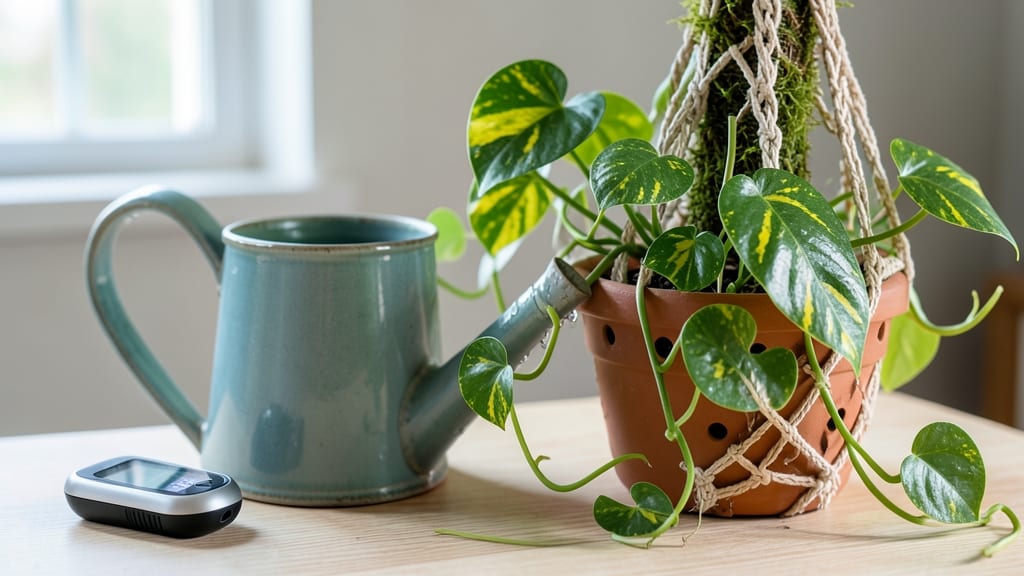
If your pothos plant how much water it needs keeps struggling despite your best efforts, the answer might be simpler than you think—it’s all about the water.
Overwatering or underwatering can turn those lush green vines into a sad, brown mess, and most beginners don’t realize how much their routine affects their plant’s health.
I’ve seen this happen too many times—even experienced gardeners can get it wrong. The key isn’t just how much water you give but when and how you give it.
Whether you’re dealing with dry air, a small pot, or inconsistent light, these factors all play a role in keeping your pothos thriving.
In this guide, I’ll break down the exact watering schedule you need, from seasonal adjustments to signs your plant is thirsty or drowning. You’ll learn how to check soil moisture like a pro, avoid common mistakes, and keep those leaves vibrant year-round.
Ready to master the art of watering? Let’s get your pothos back to its happiest, healthiest self—without the guesswork.
How often to water a pothos plant: the exact schedule by season
Watering your pothos plant (Epipremnum aureum) isn't about sticking to a rigid schedule—it's about understanding its soil moisture and environmental needs. As someone who's nursed dozens of pothos through brown leaves and root rot, I've learned that seasonal changes dramatically shift how often you should water.
Let's break down the science so you can keep your plant's roots happy year-round.
Pothos plants are famously drought-tolerant, but that doesn't mean they're desert survivors. Their aerial roots and trailing vines love moisture, but their soil-bound roots can rot if kept soggy.
The key is letting the top 1-2 inches of soil dry out between waterings—a rule that changes with temperature, humidity, and light levels. Trust me, I've learned this the hard way after turning a thriving pothos into a sad, mushy mess!
Here's the seasonal watering schedule I follow that keeps my pothos thriving in my indoor garden, whether it's sitting by a north-facing window or in a dim corner:
Pro tip: Use the "finger test" I swear by—stick your finger about 1 inch deep into the soil. If it feels dry, it's time to water. If it's still damp, wait another day or two.
I've found this method more reliable than any calendar-based schedule, especially when my humidifier is running or my central heating kicks in during winter.
The size of your pot also changes the equation. A 6-inch pot will dry out faster than a 12-inch container. I keep my pothos in a hanging basket with well-draining soil, which means I water it more frequently than my friends who use heavy clay pots.
Always check for drainage holes—without them, you're setting your pothos up for root rot, and I've seen this mistake too many times to count!
Light exposure plays a huge role too. My pothos near the north-facing window gets watered every 10 days in summer, while the one in my dim office waits until the soil is bone dry. The brighter the light, the faster the soil dries out.
If you notice your pothos developing yellow leaves or brown tips, it might be time to adjust your watering routine or check for other issues like fluoride buildup from tap water.
One common mistake I see (and made myself) is assuming that because pothos is a low-maintenance plant, it can go weeks without water. While they are drought-tolerant, letting them get completely parched causes leaf drop and stunted growth.
The sweet spot? Water when the soil is 60% dry. This balance keeps your pothos happy without you constantly hovering over it with a watering can.
For those of us with busy schedules, I recommend grouping your pothos with other low-water plants like snake plants or ZZ plants. This way, you can water them all at once and maintain consistency.
I've also had great success with self-watering planters, which I'll cover in more detail later—just be careful not to overdo it, as even pothos can suffer from too much moisture.
Remember, every home has different conditions. My humidifier keeps my air moist, while my neighbor's dry heat means their pothos needs water more often. Pay attention to your plant's leaves—they're the best barometer.
Bright green and plump? You're nailing it. Yellowing or crispy? Time to adjust your routine. With this seasonal guide, your pothos will thrive year-round, no sad leaves in sight!
How often to water a pothos plant: the exact schedule by season
Your pothos plant thrives on consistency, but its water needs shift dramatically with seasonal changes. During spring and summer, when growth is active, the soil dries faster—often every 7-10 days. In fall and winter, growth slows, so you can stretch watering to every 2-3 weeks.
The key? Always check the top 1-2 inches of soil—if it’s dry, it’s time to water.
Humidity plays a huge role too. In dry indoor air (common with central heating or AC units), your pothos may need water more often. Conversely, if you live in a humid climate or keep your plant in a bathroom with a shower, the soil stays moist longer.
Trust your plant’s cues over rigid schedules—overwatering is the #1 killer of pothos!
| Season | Watering Frequency | Soil Check | Environmental Factors |
|---|---|---|---|
| Spring | Every 10-14 days | Top 1-2" dry | Moderate light, increasing temps |
| Summer | Every 7-10 days | Top 1" dry | Bright indirect light, higher humidity |
| Fall | Every 10-14 days | Top 2" dry | Cooler temps, lower light |
| Winter | Every 2-3 weeks | Top 2-3" dry | Low light, dry indoor air |
Pro tip: Use the "finger test"—stick your index finger 1-2 inches into the soil. If it feels dry, water thoroughly until you see moisture drain from the bottom of the pot.
Avoid letting your pothos sit in standing water—empty the saucer after 10 minutes to prevent root rot. I’ve lost count of how many pothos I’ve revived by adjusting watering habits, and yours can be next!
Pot size matters too! A small 6-inch pot dries out faster than a large 12-inch container. If you repot your pothos, expect to water less frequently since the soil retains moisture longer.
For bigger pots, check the soil deeper—up to 3 inches down—before watering. And remember, morning watering is best to let excess moisture evaporate during the day.
One common mistake? Watering based on a fixed schedule instead of your plant’s needs. I’ve seen pothos owners drown their plants in winter because they stick to summer watering habits.
Pay attention to your plant’s growth rate—fast new leaves? It’s thirsty. Slow growth? Hold off. Your pothos will thank you with lush, vibrant foliage and fewer brown edges!
For extra peace of mind, group your pothos with other low-maintenance plants like snake plants or ZZ plants. They share similar watering needs, so you can water them all at once.
Just avoid placing them near drafty windows or heating vents, which can dry out the soil unevenly. With this seasonal guide, your pothos will stay happy year-round—no guesswork required! 🌿