
How To
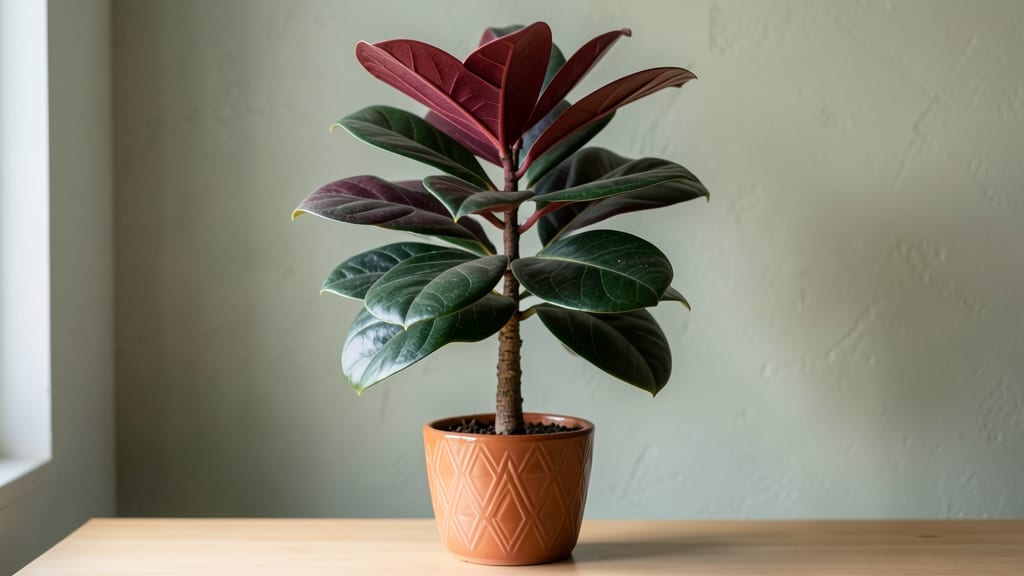
If you're wondering how tall rubber plant grow in your home, the answer might surprise you—these glossy-leaved beauties can become small trees, reaching heights of 6 to 10 feet with the right care. 🌿 Whether you're growing the classic 'Robusta' variety or the striking 'Tineke' with its pink-and-white variegation, their potential size depends on light, pruning, and even the pot you choose.
But here's the thing: most people underestimate how much these plants can stretch when given ideal conditions. In just 3 years, your rubber plant could easily tower over your kitchen counter, and without proper guidance, it might outgrow its welcome in your space.
The good news? With a few simple adjustments, you can control its height—or let it flourish as a statement piece.
In this guide, I’ll break down the exact height ranges for popular varieties, the factors that make (or break) their growth, and the easiest pruning tricks to keep them at your desired size.
Whether you're a beginner or a plant parent looking to refine your skills, you'll leave here knowing exactly how to nurture your rubber plant for the perfect height.
Ready to turn your leafy friend into a lush, manageable centerpiece? Let’s get started with the care secrets that’ll have your rubber plant thriving—no matter how tall (or short) you want it to be.

Rubber plant height ranges by popular variety (with growth trends)
Your rubber plant (Ficus elastica) can grow into a stunning architectural statement piece, but its final height depends heavily on the variety and growing conditions. Some varieties stay compact, while others can tower like small trees. Let’s break down the height ranges and growth trends for the most popular types.
Most rubber plants reach their mature height within 3-5 years of growth, though some dwarf varieties may plateau earlier. The key difference between indoor and outdoor growth is space and sunlight exposure—outdoor plants often grow 20-30% taller due to better light and air circulation.
Here’s a quick comparison of how different varieties stack up in height:
| Variety | Indoor Height (ft) | Outdoor Height (ft) | Growth Rate (in/year) | Mature Age (years) |
|---|---|---|---|---|
| Robusta | 6-10 ft | 8-12 ft | 12-18 in | 4-5 |
| Tineke | 3-6 ft | 5-8 ft | 8-12 in | 3-4 |
| Burgundy | 5-8 ft | 7-10 ft | 10-14 in | 4 |
| Black Prince | 4-7 ft | 6-9 ft | 9-12 in | 3-4 |
| Dwarf varieties (e.g., 'Petite') | 1-3 ft | 2-4 ft | 4-6 in | 2-3 |
The Robusta variety is the tallest, often reaching 10 feet indoors and even taller outdoors with ideal conditions. Meanwhile, dwarf varieties like 'Petite' stay under 3 feet, making them perfect for small spaces or desks.
If you’re growing a rubber plant indoors, light exposure is the biggest factor in height. Plants in south-facing windows grow 30% faster than those in north-facing spots. For outdoor plants, winter hardiness matters—most rubber plants die in USDA Zone 9 or below without protection.
Pro tip: Rotate your plant quarter-turns every 2 weeks to ensure even growth. This prevents leggy, one-sided growth and helps your rubber plant grow straight and sturdy.
For variegated varieties like Tineke, expect slightly slower growth due to their energy being split between foliage color and height. These plants often need more light to maintain their striking patterns.
🌿
Factors that influence rubber plant height (and how to maximize growth)
Your rubber plant’s height potential isn’t just about genetics—it’s a mix of light exposure, pruning habits, and even the pot size you choose. Unlike slow-growing succulents, rubber plants (Ficus elastica) can grow 1-2 feet per year when conditions are ideal.
But if you’re seeing stunted growth, it’s often due to one of these common mistakes.
First, light exposure is the biggest game-changer. Rubber plants crave bright, indirect light—think east-facing windows or a few feet from a south window. Too little light? Your plant will stretch toward the sun, creating long, leggy stems that weaken its structure.
Too much direct sun? Those stunning leathery leaves can scorch, slowing growth entirely.
🌿 Visual Element: Numbered Highlights 🌿
Another critical factor is pruning. Many gardeners avoid pruning because they fear it’ll stunt their plant, but strategic cuts actually encourage thicker, fuller growth. When you prune leggy stems back to a leaf node, you trigger new branches, creating a bushier silhouette. For tall varieties like ‘Robusta,’ this can double your plant’s width over a year.
Don’t overlook the pot size either. Rubber plants hate being root-bound, which happens when they’re crammed into too-small containers. If your plant’s roots are circling the pot, it’ll focus energy on survival rather than vertical growth.
Upgrade to a pot that’s just 1-2 inches larger in diameter, and you’ll see a noticeable height boost within months.
Lastly, humidity plays a sneaky role in height. Rubber plants originate from tropical regions where air is consistently moist. If your home is dry (common in winter with heating), your plant will slow its growth and develop crispy leaf edges.
A simple pebble tray or occasional misting can make a 30% difference in growth rate.
By tweaking just these five factors, you can push your rubber plant toward its maximum height potential—whether that’s a compact 3-foot bush or a soaring 10-foot indoor tree. Start with light, then refine the rest, and watch those leathery leaves reach new heights! 🌳