
How To
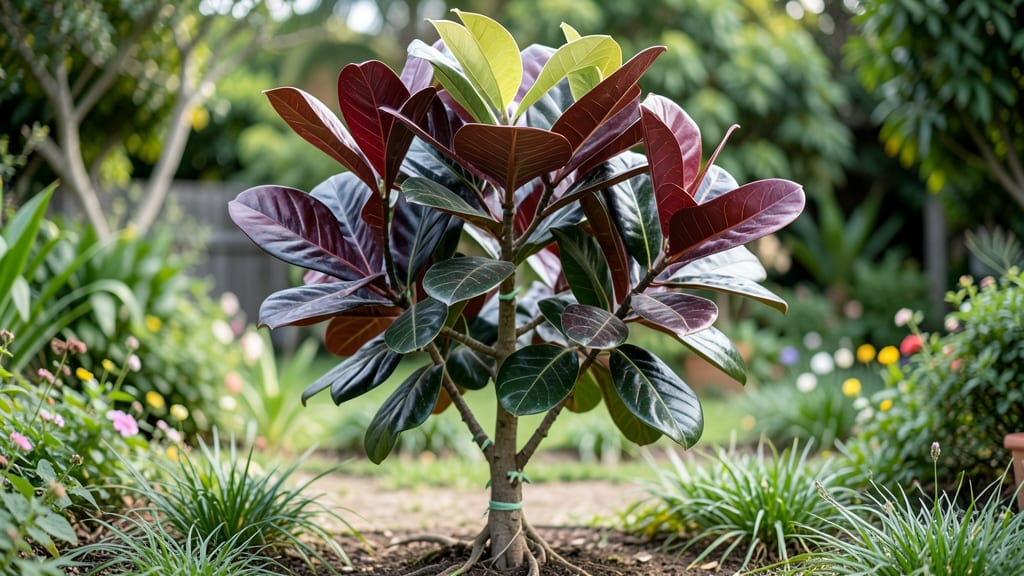
If you're asking "how tall does rubber plant grow", you're probably eyeing that lush 🌿 in your living room and wondering if it's about to become a jungle giant.
The truth is, these plants can stretch impressively—sometimes reaching 6 to 10 feet indoors—but their final height depends on more than just genetics.
Whether you're growing the bold Robusta variety or the striking Burgundy type, understanding their growth patterns helps you plan your space. Some varieties stay compact, while others shoot up like sky-high trees—so knowing what to expect is key to keeping your plant happy and your home organized.
In this guide, I'll break down exactly how tall your rubber plant might grow based on its type, plus the simple tricks to control its size.
You'll learn how light, pruning, and even your watering habits play a role in shaping its height—so you can enjoy its beauty without the ceiling drama.
Ready to turn your rubber plant into the perfect indoor statement piece? Let's dive into the details so you can grow it just the way you want—whether that's a towering centerpiece or a manageable tabletop plant.

Rubber plant height by variety: expected indoor growth ranges
The rubber plant (Ficus elastica) is a stunning houseplant that can become a dramatic focal point in your home—but its height varies dramatically by variety and growing conditions. On average, rubber plants reach 6 to 10 feet tall indoors when mature, though some varieties stay shorter.
Understanding these ranges helps you choose the right plant for your space and manage its growth effectively.
Outdoor rubber plants can grow even taller, sometimes reaching 10 to 15 feet in tropical climates, but indoor growth is typically more controlled. The key factors influencing height are light exposure, pruning habits, and variety.
For example, a Robusta variety might stretch toward the ceiling, while a variegated type could stay more compact. Let’s break down the expected heights by popular varieties.
| Variety | Indoor Height Range | Growth Rate | Notes |
|---|---|---|---|
| Robusta | 8–10 ft | Fast | Classic dark green leaves; tallest common variety. |
| Burgundy | 6–9 ft | Moderate | Deep maroon stems and leaves; slightly slower growth. |
| Variegated (e.g., 'Tineke') | 5–8 ft | Slow-Moderate | Creamy white/yellow variegation; needs bright light. |
| Abidjan | 4–6 ft | Slow | Smaller, bushier leaves; stays compact. |
| White Princess | 6–10 ft | Fast | Pure white variegation; high-maintenance but striking. |
If you’re working with limited ceiling space, the Abidjan or variegated types are excellent choices, while the Robusta or White Princess will dominate larger rooms. Remember, these heights assume optimal care, including proper light, water, and occasional pruning.
Without these, even a slow-growing variety like Abidjan might stretch taller than expected.
Light plays a critical role in height control. Rubber plants grown in low-light conditions often develop long, leggy stems as they reach for sunlight, sometimes doubling their expected height.
To prevent this, place your plant within 3–5 feet of an east-facing window or use a grow light for 4–6 hours daily. This ensures balanced, bushier growth rather than rapid vertical stretching.
Pruning also significantly impacts height. Regularly trimming the top 2–3 inches of stems encourages branching and a fuller shape. For varieties like the Robusta, which can reach 10 feet, pruning every 6–12 months keeps it manageable.
Even a 5-foot-tall plant can be reshaped into a 3-foot bush with consistent pruning and propagation of cuttings.
Outdoor rubber plants, especially in USDA Zone 10+, can grow much taller due to year-round warmth and humidity. In these conditions, expect heights of 10–15 feet within 5–10 years. However, indoor plants rarely achieve this size unless given ideal conditions, like a sunroom or greenhouse with high humidity.
Most homeowners keep their rubber plants indoors, where heights stay between 3 and 10 feet depending on care.
For a quick reference, here’s how rubber plant height compares to common household objects: - 1–2 feet: First-year growth (similar to a standard lamp). - 4–6 feet: Mature size for dwarf varieties (taller than a bookshelf). - 8–10 feet: Standard indoor height (reaching ceiling height in most homes).
If you’re concerned about your rubber plant outgrowing its space, start with a dwarf variety like Abidjan or practice regular pruning to maintain your desired height. With the right approach, you can enjoy a lush, healthy rubber plant without sacrificing your living room’s ceiling space! 🌿
How to control rubber plant height: pruning and growth hacks
If your rubber plant is reaching for the ceiling faster than you’d like, don’t worry—you’re not powerless! With the right pruning techniques and growth management, you can keep your Ficus elastica at your desired height while encouraging bushier, fuller growth.
The key is understanding when and how to intervene without harming your plant.
Rubber plants grow most actively in spring and summer, when they can add 6–12 inches per year under ideal conditions. To control height, focus on pruning and light exposure—two factors that directly influence vertical growth.
I’ll walk you through step-by-step methods to keep your plant at a manageable size without sacrificing its health or beauty.
🌿
Step-by-Step Pruning Guide
- Step 1: Choose the Right Time - Prune in early spring or after flowering (if applicable) to encourage new growth. Avoid pruning in winter when the plant is dormant.
- Step 2: Use Clean Tools - Sterilize your pruning shears with rubbing alcohol to prevent disease. Dull blades can crush stems, so keep them sharp.
- Step 3: Cut Above a Leaf Node - Make your cut just 1/4 inch above a leaf node (the bump where leaves grow) to encourage branching. Angle cuts slightly downward to prevent water pooling.
- Step 4: Propagate Cuttings - Place stem cuttings in water or moist soil to grow new plants. This is a great way to expand your collection without cost!
- Step 5: Fertilize After Pruning - Use a balanced fertilizer (10-10-10) 2–4 weeks post-pruning to support regrowth.
Pruning isn’t just about height control—it’s also how you shape your rubber plant. If you want a bushier plant, prune the top few inches to encourage lateral growth.
For a taller, leggy look, focus on trimming side branches while leaving the central stem intact. Just remember: the more you cut, the more new growth you’ll stimulate!
Light plays a crucial role in height management. Rubber plants stretched toward windows? They’re likely reaching for more light. Move your plant to a bright, indirect spot (like an east-facing window) to slow vertical growth.
If that’s not possible, consider a grow light for 4–6 hours daily to keep it compact.
Another pro tip: Repot every 2–3 years to refresh the soil and give roots room to spread. Root-bound plants grow faster vertically as they compete for space. Choose a pot just 1–2 inches larger in diameter than the current one to maintain controlled growth.
✂️