
Plants
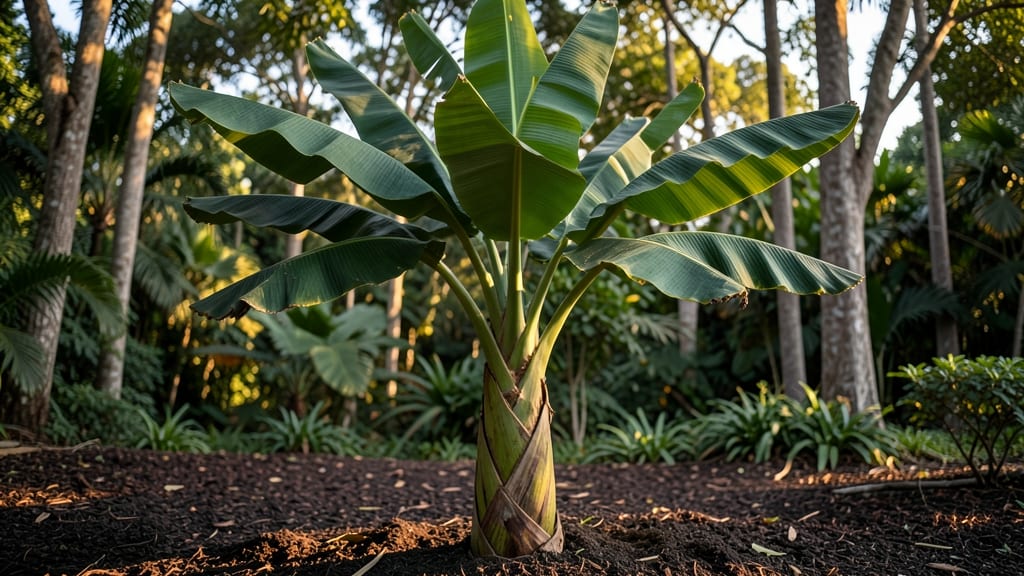
If you’ve ever wondered just how tall a banana plant can grow, the answer might surprise you—these tropical giants can reach heights that dwarf even the tallest gardeners!
From petite dwarf varieties that fit snugly in containers to towering 20-foot monsters in the right conditions, the height of your 🍌 banana plant depends on its type and care.
Most banana plants thrive in USDA Zones 10-12, where they can grow aggressively year-round. But even in cooler climates, with the right protection, you can cultivate stunning varieties that reach maturity in just 9-12 months.
The key? Choosing the right variety for your space and understanding how to nurture it for optimal growth.
Whether you’re dreaming of a lush backyard oasis or just curious about growing bananas in pots, knowing the height range of different varieties is the first step.
Dwarf Cavendish plants stay compact at 8-12 feet, while standard varieties like Gros Michel can soar to 18-25 feet—that’s taller than a basketball hoop!
In this guide, I’ll break down everything you need to know—from variety-specific heights to practical tips for managing growth. Let’s get started!

Banana plant height by variety: from dwarf to giant species
Banana plants are famous for their dramatic height variations, ranging from compact dwarf varieties perfect for containers to towering giants that dominate tropical landscapes. The Musa genus includes over 1,000 species, but most backyard gardeners grow cultivated varieties like Cavendish or Red Dacca.
Understanding these differences helps you choose the right plant for your space and climate.
For example, the Dwarf Cavendish stays between 8-12 feet tall, making it ideal for patios or small gardens, while the Red Dacca can reach 18-25 feet—taller than most two-story houses!
Even within "dwarf" categories, heights vary by 1-3 feet, so always check seed packets or nursery labels for exact expectations.
Here’s a quick visual guide to help you compare popular varieties at a glance:
| Variety | Mature Height | Growth Habit | Best For |
|---|---|---|---|
| Dwarf Cavendish | 8–12 ft | Compact, bushy | Containers, patios, small gardens |
| Lady Finger (Ice Cream Banana) | 10–14 ft | Semi-dwarf, upright | Edible fruit, ornamental |
| Red Dacca | 18–25 ft | Tall, robust | Large gardens, tropical landscapes |
| Gros Michel | 15–20 ft | Tall, fast-growing | Commercial orchards, warm climates |
| Blue Java | 12–16 ft | Medium, sturdy | Urban gardens, edible fruit |
The height of a banana plant isn’t just about the variety—it’s also influenced by growing conditions.
For instance, Dwarf Cavendish plants in pots may stay shorter (6-8 ft) due to root restriction, while the same variety in well-draining garden soil with full sun can reach its full 10-12 ft potential. Conversely, tall varieties like Red Dacca need space and support to avoid toppling in storms.
Another key factor is maturity timing. Most banana plants take 9-12 months to reach their full height, with rapid growth spurts during the warmest months. For example, a Lady Finger banana might grow 3-4 feet in a single summer if given ideal care.
Tracking growth with a measuring tape or string can help you predict when your plant will need staking or pruning.
If you’re growing bananas in cooler climates (USDA Zones 9-10), expect slightly shorter plants due to slower growth rates. In these areas, dwarf or semi-dwarf varieties are your best bet—Blue Java or Ice Cream Banana thrive with seasonal adjustments, like moving pots indoors during winter.
Even in frost-free zones, pruning old leaves in late fall can redirect energy to the pseudo-stem, encouraging a more compact shape.
For urban gardeners with limited space, consider container-growing dwarf varieties. A 5-gallon pot can comfortably hold a Dwarf Cavendish for 2-3 years, though you’ll need to repot every 1-2 years to prevent root binding.
Just ensure your container has drainage holes and use a lightweight potting mix to avoid tipping over as the plant matures.
Pro tip: Tall banana plants benefit from trellising or bamboo stakes inserted at planting. This prevents the heavy fruit clusters from snapping stems, especially in windy areas. Even dwarf varieties can use light support if you’re training them vertically to save space.
🌱
Banana plant height by variety: from dwarf to giant species
Banana plants (genus Musa) are famous for their dramatic height variations—some stay small enough for containers while others become towering backyard landmarks. The Dwarf Cavendish, for example, typically reaches 8-12 feet at maturity, making it ideal for patios or small gardens.
Meanwhile, varieties like the Red Dacca or Gros Michel can soar to 18-25 feet, rivaling small trees in tropical climates.
Your choice of variety directly impacts not just height but also growth speed and fruit production. Dwarf types like Ice Cream Banana (10-12 ft) grow faster but produce smaller fruit clusters, while larger varieties take 2-3 years to reach full height but yield heavier bunches.
Even within dwarf categories, Lady Finger bananas (12-15 ft) strike a balance between manageable size and productivity.
🌱
| Variety | Mature Height | Growth Habit | Best For |
|---|---|---|---|
| Dwarf Cavendish | 8-12 ft | Compact, bushy | Containers, small gardens |
| Lady Finger | 12-15 ft | Upright, medium spread | Balconies, urban gardens |
| Ice Cream Banana | 10-12 ft | Fast-growing, wide leaves | Edible flowers, quick harvests |
| Red Dacca | 18-22 ft | Tall, slender pseudostem | Large gardens, tropical climates |
| Gros Michel | 20-25 ft | Massive, slow to mature | Commercial orchards, warm zones |
The pseudostem (what looks like a trunk) is actually layers of leaf sheaths, which is why banana plants can grow so rapidly—some varieties add 2 feet per month during peak season. However, this rapid growth makes them vulnerable to wind damage or overwatering, which can weaken the stem structure.
For example, the Red Dacca, while stunning, may need staking in windy areas to prevent toppling.
Climate also plays a role: banana plants in USDA Zones 10-12 (tropical/subtropical) reach their full height potential, while those in cooler zones may stay shorter unless grown in containers and brought indoors during winter.
Even in ideal conditions, dwarf varieties rarely exceed 12 feet, while their giant cousins can double that height—making them a dramatic (but space-demanding) addition to your garden.
If you're planning your layout, consider that banana plants are herbaceous perennials, meaning they die back after fruiting but regrow from the rhizome. This means you can prune old pseudostems to encourage new growth and control height, especially in small spaces.
For container growers, dwarf varieties are your best bet, but even they’ll need large pots (20+ gallons) to support their root systems.
🌿