
Trees
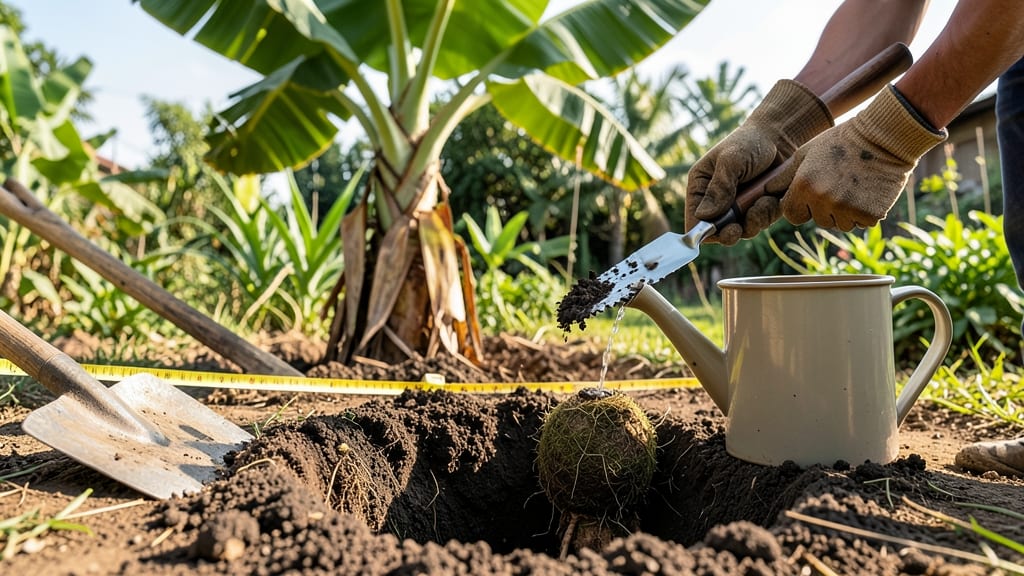
Planting a banana tree 🍌 in Florida seems simple—until you realize timing can make or break your tropical harvest. The right window ensures fast root growth and a thriving tree, while the wrong one leaves you with stunted plants or wasted effort.
Florida’s frost-free zones (like yours in 9a-11) mean you can plant year-round, but spring or early summer is the best time for maximum success. That’s when temperatures are warm but not scorching, giving your banana tree the ideal conditions to take off.
Whether you’re planting in-ground or in containers, soil prep and microclimate matter just as much as timing. I’ll walk you through the exact steps to set yours up for fast, healthy growth—no guesswork, just results.
Ready to grow a banana tree that actually thrives? Let’s dive into the best months and pro tips to get your tropical oasis off to a flying start.
Optimal planting months for banana trees in Florida’s climate zones
Florida’s frost-free zones (USDA 9a-11) mean you can plant banana trees year-round, but timing still matters for root establishment and fruit production. The best windows are spring (March-May) and early summer (June-July), when soil warms and humidity rises—ideal for tropical plants.
North Florida’s cooler winters (Zone 8b) benefit from spring planting (March-April) to avoid late frosts, while South Florida (Zone 10a-11) can plant anytime, though summer (June-August) offers faster growth due to consistent warmth.
Central Florida (Zone 9a-9b) splits the difference: spring (March-May) for in-ground plants and late summer (August-September) for containers to escape summer’s brutal heat waves.
🌱 Pro Tip: Avoid planting in peak summer (July-August) in North/Central Florida unless using shade cloth—young roots struggle with 90°F+ soil temps.
| Florida Zone | Best Planting Window | Why? | Avoid |
|---|---|---|---|
| North (8b) | March–April | Soil warms; frost risk ends | November–February |
| Central (9a-9b) | March–May or Aug–Sept | Spring: root growth; Summer: container-friendly | June–July (heat stress) |
| South (10a-11) | Year-round (best June–August) | Consistent warmth; no frost | None (but avoid hurricanes) |
For container-grown banana trees, late summer (August-September) is ideal—you can move pots indoors during rare cold snaps (below 40°F). In-ground trees thrive when planted before Florida’s rainy season (May-June), as consistent moisture boosts root development.
🌡️ Temperature Rule: Wait until soil temps stay above 65°F (use a soil thermometer). Cold soil slows root growth by 50%, delaying fruiting.
If planting in North Florida’s Zone 8b, choose hardier varieties like Red Dacca and plant in March to maximize the 180-day growing season before cooler temps arrive. South Florida growers can experiment with off-season planting (November-December) for year-round harvests.
💡 Microclimate Hack: In urban areas with heat islands (e.g., Miami, Orlando), plant 1-2 months earlier—concrete and pavement raise soil temps by 5-10°F, mimicking South Florida conditions.
Always acclimate young trees for 7–10 days before full sun exposure, especially if starting indoors or in shade-cloth nurseries. Gradual hardening prevents sunburn on leaves, a common issue in Florida’s intense UV index (9-11).
Optimal planting months for banana trees in Florida’s climate zones
Florida’s frost-free winters mean you can plant banana trees year-round, but timing matters for faster root growth and higher yields. The best window is late spring to early summer, when temperatures stabilize above 70°F and humidity supports establishment.
In North Florida (Zones 8a-9a), aim for March-May to avoid late-winter cold snaps, while Central and South Florida (Zones 10a-11) can plant January-July with minimal risk.
Banana trees thrive in consistent warmth, so avoid planting during Florida’s hottest months (July-August) unless you’re in a shaded microclimate. Young trees struggle with intense heat stress, leading to leaf scorch or stunted growth.
Instead, opt for early summer (June) when soil stays moist and afternoon storms provide natural irrigation. For container-grown trees, timing is even more flexible—just ensure pots have drainage holes to prevent root rot.
| Region | Best Planting Months | Key Considerations |
| North Florida (Zones 8a-9a) | March-May | Avoid late-winter cold snaps; mulch heavily. |
| Central Florida (Zones 9b-10a) | January-July | Year-round possible; prioritize June for rain. |
| South Florida (Zones 10b-11) | Year-round (peak: Feb-Apr) | Humidity helps; watch for hurricane season (June-Nov). |
If you miss the spring window, fall planting (September-October) is your second-best option. Young trees planted in fall have time to establish roots before Florida’s mild winters, though they may grow slower until spring.
For container plants, fall is ideal—move pots to a protected location if night temps dip below 50°F. Pro tip: Use black plastic mulch to warm soil and speed up root growth in cooler months.
For fastest results, align planting with Florida’s rainy season (May-October). Natural rainfall reduces your watering workload, and higher humidity mimics the tree’s tropical origins. In drought-prone areas (e.g., West Florida), plant in early summer and install drip irrigation to maintain moisture.
Avoid planting during hurricane season (June-November) unless you’re using container-growing methods—you can relocate pots to shelter if storms threaten.
One common mistake is planting banana trees in late summer (August-September) when humidity spikes but soil temperatures exceed 90°F. This can cause root burn or fungal infections.
To mitigate, amend soil with compost or coconut coir to improve moisture retention, and water deeply every 2-3 days until roots establish (usually 6-8 weeks). For urban gardeners, consider raised beds filled with 50% sand to improve drainage in heavy clay soils.
Remember: Banana trees are not frost-tolerant, but Florida’s climate zones rarely drop below 40°F. If you’re in North Florida’s rare cold snaps, protect young trees with burlap wraps or move containers indoors.
The key to success is consistent warmth and moisture—so choose your planting window wisely to give your banana tree the best start! 🌱