
Plants
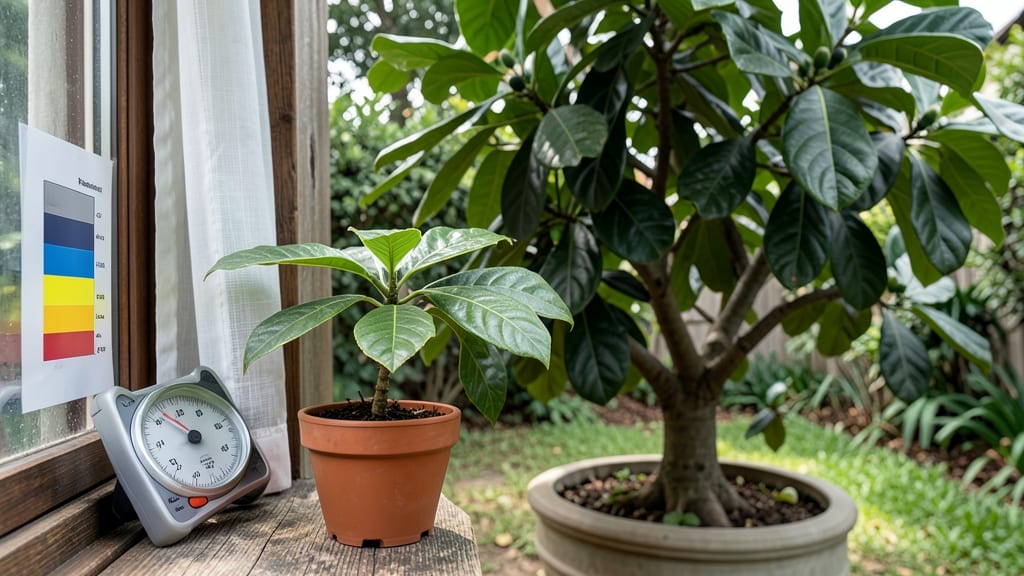
If your 🥑 avocado plant keeps stretching toward the window like it’s auditioning for a gymnastics team, you’re not alone—how much light does an avocado plant need is the most critical question for keeping it healthy.
Too little sunlight, and it grows leggy and weak; too much, and those leaves crisp up like overcooked chips. Finding that sweet spot isn’t just about hours—it’s about quality, placement, and even the time of day.
Avocados are sun-hungry plants, craving at least 6 to 8 hours of direct light daily to thrive, whether you’re growing them indoors or outdoors. But here’s the catch: they’re picky about intensity.
A bright, south-facing window might work for a seedling, but a mature tree needs more—think outdoor garden space or supplemental grow lights. Let’s break down exactly how to give your plant the right kind of light without turning it into a crispy critter.
You might think all sunlight is equal, but avocados don’t just want any light—they need the brightest, most consistent light possible. That means positioning matters: near a glass door? Great. On a balcony with afternoon sun?
Even better. But if your space is dim, don’t panic—we’ll cover how to hack it with artificial lighting and simple tweaks that make a world of difference. Ready to stop guessing and start growing?
From spotting the first signs of light stress (hello, yellow leaves!) to adjusting for seasonal changes, this guide gives you the no-fluff answers you need.
Whether you’re a first-time plant parent or a seasoned green thumb, mastering the light game is the key to a thriving 🥑 avocado that’ll reward you with lush growth—and maybe even fruit someday. Let’s get started.
 Best Window Placement
Ideal sunlight requirements for avocado plants by growth stage
Avocado plants (Persea americana) thrive under bright, direct sunlight, but their needs change as they grow. Young seedlings require gentle exposure, while mature trees demand 6-8+ hours of full sun daily. Understanding these stages helps prevent common issues like leggy growth or sunburned leaves.
For seedlings (0-6 months), start with 4-6 hours of indirect light to avoid shocking tender leaves. Gradually increase exposure over 2-3 weeks to prevent stress. Mature plants, however, need unfiltered sunlight—even partial shade can stunt growth and reduce fruit production.
Outdoor avocado trees in USDA Zones 9-11 naturally get ideal sunlight, but container-grown plants or those in cooler climates (Zones 6-8) need extra care. South-facing windows or grow lights become essential for indoor plants to mimic tropical conditions.
Watch for light deficiency signs like pale yellow leaves, slow growth, or stems stretching toward light. These indicate your plant isn’t getting enough photosynthesis fuel. Over-exposure, however, causes brown leaf tips or crispy edges—always acclimate plants slowly to avoid damage.
| Growth Stage | Sunlight Needs | Indoor Adjustments | Outdoor Placement |
|---|---|---|---|
| Seedlings (0-6 months) | 4-6 hours indirect light | East-facing window + grow light (12 hrs/day) | Partial shade (50% sun) |
| Young Plants (6-24 months) | 6+ hours direct light | South-facing window + rotation every 2 weeks | Full sun (6+ hrs/day) |
| Mature Trees (2+ years) | 8+ hours full sun | Grow lights (LED, 12-14 hrs/day) | Full sun exposure |
Indoor growers often struggle with limited natural light. If your home lacks bright windows, supplement with full-spectrum LED grow lights placed 6-12 inches above the plant. Rotate the pot quarter-turns weekly to prevent uneven growth toward the light source.
For outdoor avocados, morning sun (6 AM–12 PM) is ideal—afternoon heat can scorch leaves. In hot climates (Zones 10-11), provide afternoon shade during peak summer months to protect young trees. Mulch the base with 3-4 inches of organic matter to retain moisture and regulate soil temperature.
Container-grown avocados need daily sunlight adjustments if moved between indoor/outdoor spaces. Acclimate for 1-2 weeks before full outdoor exposure to avoid transplant shock. Signs of stress include drooping leaves or yellowing along leaf veins—both indicate light or water imbalances.
Pro tip: Use a light meter (or phone app) to measure 10,000+ lux for optimal growth. Most homes only hit 5,000 lux near windows, so grow lights become a game-changer for indoor avocado success.
Remember, avocados are tropical plants—they mimic consistent, bright conditions year-round. Even in winter, provide supplemental light if natural sources drop below 4 hours daily. This prevents dormancy and keeps your plant thriving.
How to adjust light for different environments (indoor vs. outdoor)
Avocado plants are sun-worshippers, but their light needs shift dramatically between indoor and outdoor settings. In outdoor gardens, they crave 6-8+ hours of direct sunlight daily—think full sun exposure like a sunny patio or garden bed.
But indoors? The story changes completely, where most homes simply can’t replicate that intensity.
If you’re growing your avocado plant indoors, a south-facing window is your best bet—it captures the strongest morning and afternoon light. However, even this may not provide enough bright, indirect light for long-term health.
Without adjustments, your plant will stretch toward the light, develop weak stems, and lose those lush, dark green leaves.
For outdoor avocado plants, the goal is full sun exposure—plant them in a spot where they’ll receive unfiltered sunlight for most of the day.
In cooler climates (USDA zones 8-11), this might mean moving potted avocados indoors during winter or providing seasonal light adjustments to prevent shock.
Here’s how to balance light for both environments without stressing your plant:
Seasonal changes also demand attention. In winter, indoor avocados may need extended grow light exposure (14-16 hours) to compensate for shorter days.
Meanwhile, outdoor plants in cooler zones (like USDA zone 8) might need winter protection—move potted avocados to a sunny indoor spot or greenhouse before temperatures drop below 40°F.
Pro tip: If your avocado plant starts developing yellow leaves or stretching toward the light, it’s a cry for more brightness.
For indoor plants, LED grow lights (like the Samsung LC27J751 27-inch) are a game-changer—they mimic sunlight and can be placed 6-12 inches above the plant for optimal results.
Remember, avocados are tropical trees at heart. They thrive on consistency—whether indoors or out, aim for bright, unobstructed light as closely as possible to their natural habitat. With the right adjustments, your avocado plant will reward you with vibrant growth and maybe even fruit! 🌿