
Plants
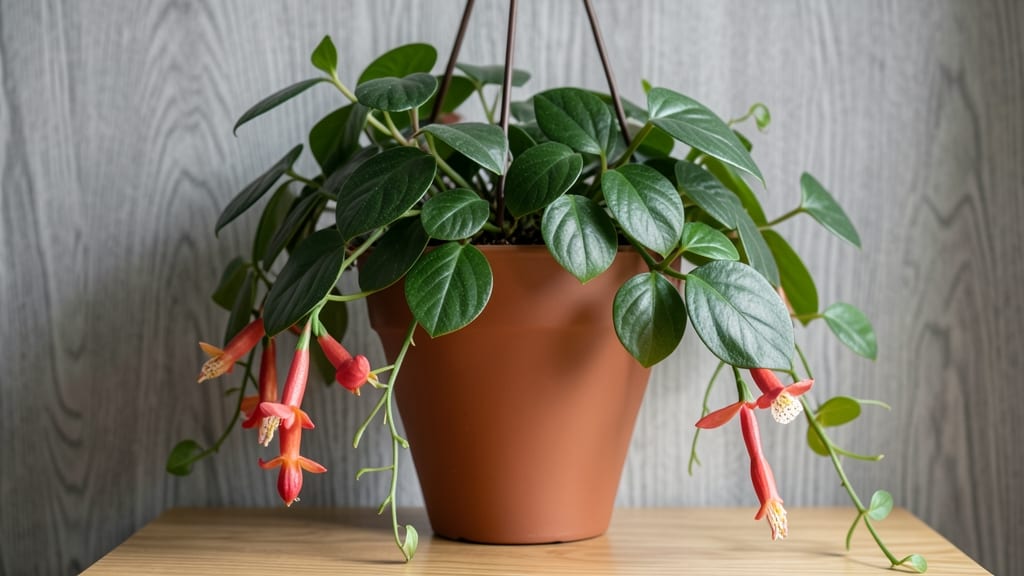
If your Lipstick Plant 🌸 looks tired or stops blooming, the answer might be hiding in how much light this plant needs.
This stunning tropical beauty thrives in bright indirect sunlight, but getting the balance right can feel like a guessing game—especially when you're not sure how much is too much.
Too little light and you'll notice leggy stems and pale leaves, while too much direct sun can scorch those gorgeous foliage. The good news? With a few simple adjustments, you can create the perfect growing conditions that keep your plant lush and vibrant year-round.
I'll show you exactly how to spot the signs of ideal lighting versus problems, plus practical tips for positioning your plant—whether you're working with an east-facing window or need to supplement with grow lights. Let's get your Lipstick Plant glowing again!
From seasonal adjustments to troubleshooting common issues, you'll discover how to give your plant the perfect light prescription for healthy growth. Ready to transform those dull leaves into vibrant beauty?
 Best Window Placement
Optimal light requirements for lipstick plants: low to medium indirect sunlight explained
Your lipstick plant (Aeschynanthus radicans) thrives in bright indirect light, making it perfect for indoor gardeners with limited direct sunlight. Unlike sun-loving succulents, this tropical beauty prefers filtered light that mimics its native understory habitat.
Think of it as the Goldilocks of houseplants—not too dark, not too harsh.
The ideal setup mimics morning sun with afternoon shade. East-facing windows provide gentle morning light, while west-facing windows offer afternoon warmth without the intense midday rays. South-facing windows can work, but you’ll need to filter the light with sheer curtains to prevent leaf scorch.
Direct sunlight—especially afternoon rays—can cause brown patches or crispy edges on leaves, while low light leads to leggy growth and pale foliage. Balancing these extremes is key to keeping your plant’s signature deep green leaves and tubular red flowers vibrant.
| Light Condition | Ideal Setup | Plant Response |
|---|---|---|
| Bright Indirect Light | East/west window, 3-6 ft away; sheer curtain filter | Healthy growth, glossy leaves, frequent blooms |
| Low Light | North-facing window or deep shade | Leggy stems, sparse leaves, no flowers |
| Direct Sunlight | South window without filter, 2+ hours/day | Brown leaf tips, wilting, sunburn spots |
| Artificial Grow Light | 12-14 hours/day, 6-12 inches above plant | Compact growth, uniform color, reliable blooms |
Seasonal adjustments are crucial. In spring and fall, your lipstick plant can handle 3-4 hours of morning sun as days lengthen. But during summer’s intense heat, move it back from the window or use a light sheer curtain to diffuse harsh rays.
Evenings are perfect for rotating the pot to ensure even light exposure on all sides.
Outdoor placement? If you’re growing yours outside in USDA Zone 6a or warmer, choose a shaded patio or porch with dappled sunlight. Avoid full sun—this plant’s tropical roots can’t handle prolonged heat stress. A 50% shade cloth works wonders for outdoor setups.
Pro tip: Watch your plant’s growth patterns. If new leaves are smaller than 2 inches or stems stretch excessively, it’s begging for more light. Conversely, if leaves develop yellow patches with brown edges, it’s getting too much direct sun. These visual cues are your plant’s way of communicating!
Pairing the right light with well-draining soil and moderate humidity (40-60%) creates the perfect trifecta. Next time you adjust your lipstick plant’s spot, remember: bright but indirect is the magic formula for those stunning red blooms and lush foliage.
🌿
How to adjust light conditions for a thriving lipstick plant
If your lipstick plant isn’t thriving, adjusting its light exposure could be the game-changer. These plants love bright indirect light but can’t handle harsh afternoon sun. Start by placing it near an east-facing window, where morning sunlight is gentle and won’t scorch the leaves.
For homes with south-facing windows, use a sheer curtain to filter the intense midday rays. If your space is dim, like a north-facing room, consider supplementing with a grow light for 6–8 hours daily. LED grow lights are energy-efficient and mimic natural sunlight perfectly.
🌿
Exposing your lipstick plant to harsh afternoon sun causes leaf burn and crispy edges. Move it away from south-facing windows or use a sheer curtain to diffuse the light.
Plants in low-light conditions grow leggy and pale, stretching toward any available light. Rotate the pot weekly to ensure even growth and supplement with a grow light if needed.
Moving your plant from indoor shade to bright outdoor light too quickly can shock it. Acclimate it gradually over 7–10 days by placing it in partial shade before full exposure.
If your lipstick plant starts showing signs of light stress, like yellowing leaves or slow growth, it’s time to reassess its spot. A west-facing window is ideal for afternoon light, while a north-facing window may require additional lighting.
For indoor setups, position the plant within 3 feet of the window to maximize natural light without overdoing it.
Pro tip: Rotate your plant quarter-turns every week to prevent uneven growth. This ensures all sides get equal light exposure, keeping your lipstick plant bushy and balanced.
If you notice pale or stretched leaves, it’s a clear sign to move it closer to a brighter spot or add a grow light.
💡
For outdoor growers, lipstick plants thrive in partial shade under trees or on a shaded patio. Avoid placing them in full sun, especially during the peak summer months, when temperatures rise.
If you’re growing yours outdoors, monitor it closely during the first few weeks to adjust its position as needed.
With the right light adjustments, your lipstick plant will reward you with vibrant foliage and stunning tubular flowers. Keep experimenting with placement—your plant’s health is the best indicator of whether you’ve found the perfect spot!