
Plants
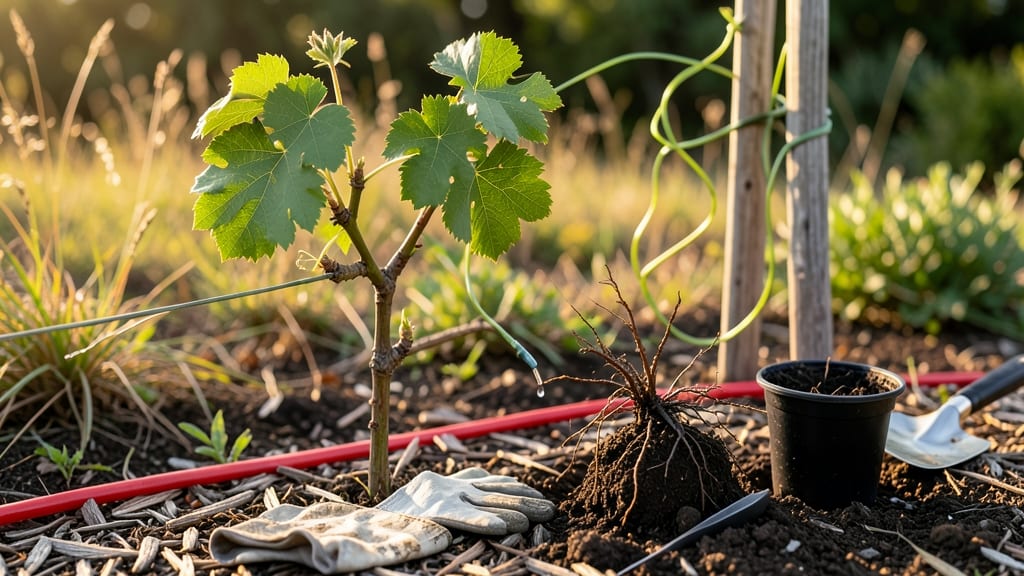
If you're dreaming of lush 🍇 grape vines heavy with fruit, timing your California planting just right could make all the difference between a thriving vineyard and a failed experiment. The Golden State's diverse climate—from frost-prone valleys to coastal warmth—means there's no single "best" month to plant grapes.
What works perfectly in Napa's chilly mornings might spell disaster in Temecula's heat waves.
Most gardeners assume spring is the only window, but the truth is more nuanced. Dormant-season planting in winter can give your vines a head start, while summer varieties might need adjustments based on rainfall patterns.
I'll break down exactly when to plant in your specific region—whether you're in the San Joaquin Valley or near the coast—so you can avoid common pitfalls like frost damage or poor root establishment.
You don't need to be a viticulture expert to get this right. The key is understanding your local microclimate and matching it with the right grape variety. We'll cover everything from soil temperature requirements to frost risk maps, so you can plant with confidence and watch your vines flourish.
Let's get those roots in the ground at the perfect moment.
Ready to transform your backyard—or even a small commercial plot—into a grape-growing success? The best time to plant isn't just about months—it's about reading your environment like a pro. I'll show you how to do it right, so you can enjoy homegrown grapes from summer through fall without the guesswork.
Best months to plant grapes in California by region (with frost risk maps)
California’s three distinct grape-growing regions—Northern, Central, and Southern—each demand unique planting timelines. Northern California (Sonoma, Napa) has cooler winters and late spring frost risks, while Central California (San Joaquin Valley) thrives in hot, dry summers with early planting windows.
Southern California (San Diego, Temecula) enjoys mild winters and extended growing seasons.
For optimal root establishment, plant when soil temperatures reach 60°F (15°C)—a critical threshold for grapevine health. Dormant-season planting (winter) is ideal for bare-root vines, while potted vines can be planted year-round in frost-free zones like Southern California.
Here’s the breakdown by region, including frost-sensitive periods and soil temperature targets for successful planting:
| Region | Best Planting Months | Soil Temp (°F) | Frost Risk | Notes |
|---|---|---|---|---|
| Northern CA (Sonoma, Napa) | Late February–March (bare-root) or April–May (potted) | 60°F+ (15°C+) | High (late spring) | Wait for last frost (avg. April 15) |
| Central CA (San Joaquin Valley) | January–February (dormant) or March–April | 55°F+ (13°C+) | Moderate (early spring) | Ideal for wine grapes like Cabernet |
| Southern CA (San Diego, Temecula) | November–March (year-round in containers) | 50°F+ (10°C+) | Low (mild winters) | Perfect for table grapes like Thompson Seedless |
In Northern California, March is the sweet spot for potted vines, as it balances soil warmth and frost risk. Central California gardeners should aim for January–February to avoid summer heat stress during early vine growth.
Southern California’s mild winters allow planting as early as November, but bare-root vines fare best in December–January.
Pro tip: Use a soil thermometer to confirm 60°F+ soil temps before planting. Cooler soils delay root growth, leaving vines vulnerable to winter dieback. In frost-prone areas, opt for early-maturing varieties like Zinfandel or Syrah to avoid late-season frost damage.
Container planting extends your window—Southern California growers can plant table grapes in summer months (June–August) as long as they’re protected from intense afternoon sun. Just ensure containers have drainage holes and use well-draining potting mix to prevent root rot.
For wine grapes, timing aligns with bud break—plant 4–6 weeks before your region’s average last frost date. Check your USDA hardiness zone (typically 7–11 in California) for localized adjustments. Zone 7 (Northern CA) needs earlier planting, while Zone 11 (Southern CA) offers flexibility.
Remember: Bare-root vines must be planted immediately upon arrival to avoid dormant-season stress. If delayed, heel them in (temporarily bury roots) and plant when conditions improve. Potted vines are more forgiving but require consistent moisture during establishment.
🍇Critical factors that determine your planting timeline (beyond just months)
California’s grape-growing success hinges on more than just picking a month—it’s about understanding soil temperatures, rainfall patterns, and even your grapevine variety. For example, Cabernet Sauvignon thrives in cooler coastal regions like Sonoma, while Zinfandel loves the heat of San Joaquin Valley.
These differences can shift your planting window by 4-6 weeks!
Soil temperature is your #1 priority. Grapes need soil that’s at least 55°F (13°C) for roots to establish properly. In Northern California, this often means waiting until late April, while Southern California can start as early as February.
Use a soil thermometer to check—never plant in cold, soggy soil.
Rainfall also plays a sneaky role. Winter rains can delay planting in coastal areas (like Santa Barbara) until March, while inland regions (like Fresno) may need irrigation to trigger root growth. Always plant when the ground is dry enough to work but not bone-dry.
Your grapevine variety matters too. Wine grapes (like Pinot Noir) are frost-sensitive and need warmer microclimates, while table grapes (like Thompson Seedless) tolerate cooler temps. Check your vine’s USDA hardiness zone—most California grapes thrive in zones 7-11, but zone 9+ areas can plant earlier.
Don’t overlook frost risks. Even in Southern California, late spring frosts can damage new shoots. Monitor frost forecasts and avoid planting 2-3 weeks before the last expected frost in your area. For container grapes, you’ve got more flexibility—just move pots indoors if frost is predicted!
Here’s a quick