Plants
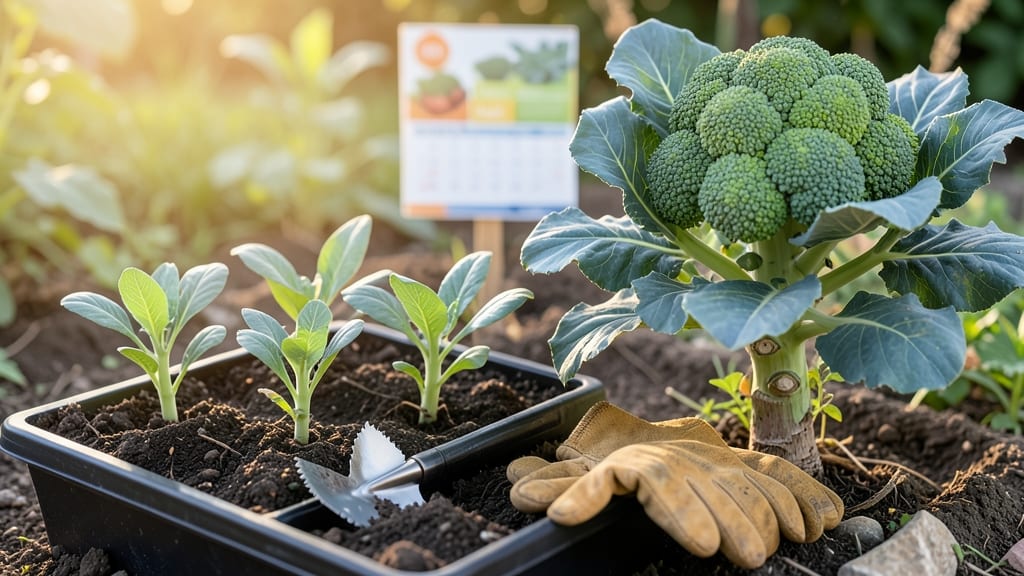
Timing your 🥦 broccoli planting in Northern California isn’t just about throwing seeds into the ground—it’s about outsmarting the region’s tricky microclimates. Coastal areas like the Bay Area can stay chilly well into spring, while inland spots like Sacramento might bake your plants before they even sprout.
Get this wrong, and you’ll either wait months for harvests or watch your crop bolt into bitter disappointment.
I’ve grown broccoli in both zones for years, and the difference between a thriving garden and a failed experiment often comes down to when you plant.
Whether you’re in foggy Zone 8a or hotter Zone 9b, knowing the exact windows for spring and fall crops is the key to success. Let me show you the precise timing that works for each region—and how to adjust for your specific backyard.
Most gardeners focus only on frost dates, but that’s just half the battle. Coastal broccoli loves cooler soil, while inland varieties need to beat the summer heat.
I’ll break down the best months to start seeds or transplant seedlings, plus pro tips for soil prep and watering that keep your 🥦 broccoli happy from first sprout to harvest. No more guesswork—just a foolproof plan tailored to your corner of Northern California.
Ready to grow broccoli that’s sweet, tender, and ready to harvest at the perfect time? Let’s dive into the exact planting schedule that’ll make your garden the envy of the neighborhood—whether you’re near the coast or baking in the Central Valley.
Optimal broccoli planting dates for Northern California coastal areas
Coastal Northern California—think San Francisco Bay Area, Santa Cruz, and Monterey—offers a unique gardening challenge thanks to the marine layer and unpredictable coastal fog. These conditions delay soil warming and extend frost risk, so timing is everything.
The key is planting when soil temperatures hit 45°F (7°C) and daytime highs consistently reach 60°F (15°C).
For spring plantings, aim to sow seeds or transplant seedlings 4–6 weeks before your last frost date. In coastal zones, this typically means late February to early April.
The San Francisco Bay Area often sees its last frost around February 15, while Santa Cruz and Monterey can linger colder until March 1. Succession planting every 2–3 weeks ensures a continuous harvest through May or June.
| Stage | Action | Coastal Notes |
|---|---|---|
| Soil Prep | Test pH (6.0–7.0), amend with compost | Coastal soils often need extra compost due to sandy texture |
| Seed Starting | Indoors: 6–8 weeks before last frost | Use grow lights if natural light is limited |
| Transplanting | 4–6 weeks before last frost | Hardening off seedlings is critical for coastal wind |
| Succession Planting | Every 2–3 weeks until April | Extend harvests with shade cloth if fog persists |
| Harvest Window | May–June (spring) or October–November (fall) | Coastal areas often get a second fall crop |
If you’re growing fall broccoli along the coast, your window narrows but is still viable. Start seeds indoors in mid-July and transplant by early August. Coastal areas like Santa Barbara can push this slightly later due to milder nights, but aim to harvest before first frost (late November).
Varieties like 'De Cicco' or 'Calabrese' handle coastal conditions well and bolt less readily.
One coastal-specific tip: Mulch heavily with straw or wood chips to retain moisture and moderate soil temperatures. The marine layer can cause temperature swings, so mulch acts as insulation. Also, avoid planting near large trees that compete for water—broccoli needs consistent moisture, especially during head formation.
For container gardening in coastal zones, choose dwarf varieties like 'Little Sprout' or 'Green Magic'. These thrive in 5-gallon pots and tolerate the wind better than standard types. Just ensure containers have drainage holes and use a lightweight potting mix to prevent salt buildup from coastal air.
Pro tip: Use a frost blanket on seedlings if coastal fog lingers into April. I’ve seen San Francisco gardens extend harvests by 2–3 weeks with this simple trick. Pair it with drip irrigation to avoid wetting foliage—coastal humidity increases disease risk like downy mildew.
Finally, don’t overlook companion planting. Pair broccoli with bush beans, celery, or onions to deter pests like cabbage worms. In coastal gardens, dill or fennel can also attract beneficial wasps that prey on broccoli pests.
With the right timing and these strategies, your coastal broccoli will thrive despite the fog and wind.
🌱
Optimal broccoli planting dates for Northern California coastal areas
Coastal Northern California—think San Francisco, Santa Cruz, and Monterey—offers mild winters and cool summers, but the marine layer can delay spring planting. Your best bet? Start broccoli 4-6 weeks before your last frost date, typically late February to early April for spring crops.
For fall, aim for mid-August to early September to avoid summer heat while still allowing heads to mature before winter chill.
Soil temperatures below 40°F (4°C) slow germination, so wait until daytime temps consistently stay above 50°F (10°C). Coastal areas like Point Reyes may need to plant 2-3 weeks later than inland zones due to persistent fog. Use row covers if early frosts threaten your seedlings.
| Stage | Action | Coastal Timing |
|---|---|---|
| Seed Starting (Indoors) | Sow seeds 6-8 weeks before last frost | Late December - Early February |
| Transplant Outdoors | Move seedlings 4-6 weeks before last frost | Late February - Early April |
| Succession Planting | Sow every 2-3 weeks for continuous harvest | March - Early May |
| Fall Planting Window | Transplant 8-10 weeks before first frost | Mid-August - Early September |
| Harvest Ready | Heads firm and dark green | May - June (spring) / October - November (fall) |
For coastal fog-prone areas, choose compact varieties like 'De Cicco' or 'Waltham 29' that mature faster. These varieties tolerate cooler temps better and produce tight heads before summer heat sets in.
Always amend soil with compost—coastal soils can be sandy and nutrient-poor—and mulch heavily to retain moisture in the often windy conditions.
Pro tip: If your coastal garden gets morning sun but afternoon fog, plant broccoli near your south-facing fence to maximize light exposure. Avoid planting near walnut trees, as their roots release juglone, a toxin that stunts broccoli growth.
Succession planting is key for coastal gardens. Sow every 2-3 weeks from March to early May to stagger harvests. This ensures you’re not overwhelmed with bolting broccoli all at once, and you’ll have fresh heads through June and October.
Pair with fast-maturing radishes or lettuce to fill gaps between broccoli plants.
Always check your local USDA frost dates—they can vary by 10-14 days even within the same county. For example, Santa Cruz might have a later frost date than San Francisco due to its microclimate. Use row covers if nights dip below 30°F (-1°C) to protect tender seedlings.