
Plants
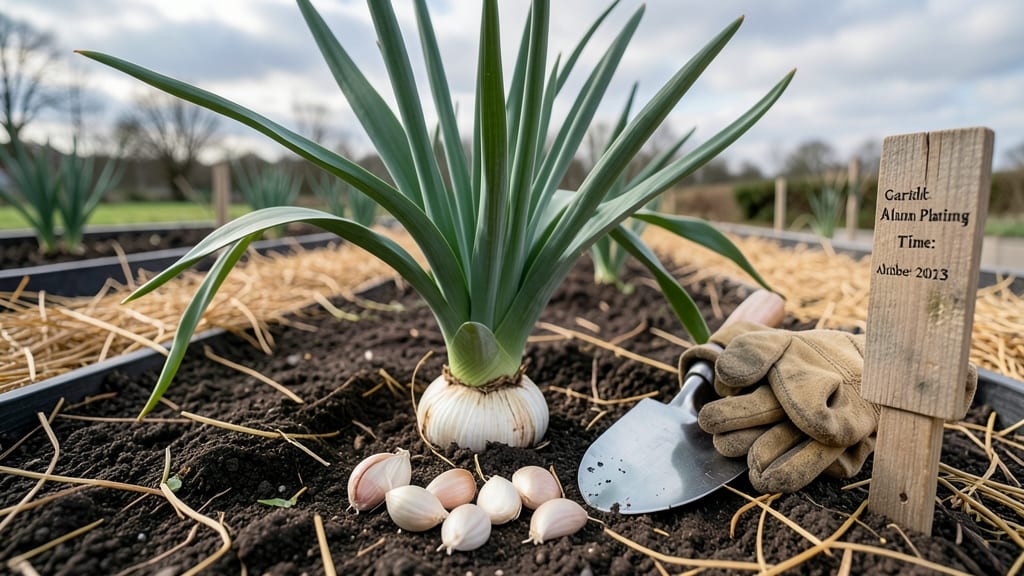
If you’ve ever planted garlic 🧄 in Upstate New York only to watch it struggle through harsh winters or produce tiny bulbs, you’re not alone.
The key to growing plump, flavorful garlic in zones 5b-6a isn’t just about when you plant—it’s about timing it precisely to outsmart the region’s early frosts and short growing season.
Most gardeners think garlic is a one-size-fits-all crop, but Upstate NY’s climate demands a narrow window—typically between October and November—to give cloves enough cold exposure while avoiding premature thaw. Get the timing wrong, and you’ll end up with weak growth or bulbs that never fully mature by harvest.
I’ve tested hardneck varieties for years in this exact zone, and the difference between a 300-day growing season and a 240-day one can mean the difference between dinner-table garlic and store-bought disappointment.
Here’s the exact science behind planting for maximum yield, plus how to adjust for microclimates like the Adirondacks or Finger Lakes.
Ready to grow garlic that rivals the flavor of your favorite Italian restaurant? Let’s dive into the step-by-step method that’s worked for Upstate gardeners—no guesswork, just proven results.
Upstate NY’s hardneck garlic planting calendar: month, temperature, and moon phase insights
Upstate NY’s USDA Zones 4–6 create a tight window for planting hardneck garlic, where timing directly impacts bulb size and flavor.
The ideal window spans from mid-October to early November, when soil temperatures drop to 40–50°F—cold enough to trigger dormancy but warm enough for roots to establish before winter. Planting too early risks rot, while waiting too late stunts growth.
Hardneck varieties like ‘Music’ or ‘German White’ thrive in Upstate’s climate because they require cold vernalization (6–8 weeks below 40°F) to form bulbs. Miss this, and you’ll end up with small, pungent cloves instead of the plump, mild bulbs you crave.
My first year, I planted in early December—my harvest was half the size of my neighbor’s October-planted crop.
For precise timing, track your average first frost date (typically mid-October in Upstate). Aim to plant 4–6 weeks before the ground freezes solid. Use a soil thermometer to confirm temps; garlic roots need consistent chill but won’t survive deep freezes.
Pro tip: Moon phases matter—plant during the waning moon (after the full moon) to encourage root growth downward.
| Planting Window | Soil Temp (°F) | Moon Phase | Risk if Missed |
|---|---|---|---|
| Mid-October | 50–60°F | Waning gibbous | Rot from warm, wet soil |
| Late October | 40–50°F | Full moon | Stunted root growth |
| Early November | 35–45°F | Waning crescent | Frost damage to cloves |
Upstate NY’s average last frost: Mid-November
Upstate’s microclimates throw a wrench into one-size-fits-all advice. For example, the Hudson Valley (Zone 6a) can handle late-November plantings if soil stays unfrozen, while the Adirondacks (Zone 4b) may need October plantings to avoid early snow cover.
I once grew ‘Silverskin’ garlic in a sheltered Finger Lakes garden in early December—it survived because the south-facing slope stayed warmer. Test your spot: bury a thermometer in a coffee can for 24 hours to check soil temps.
Don’t overlook mulching—it’s your secret weapon. Apply 12–18 inches of straw after planting to insulate bulbs through winter. In my Zone 5b garden, mulch extended the planting window by 3 weeks, letting me squeeze in a second batch in late November.
Without it, voles (a major Upstate pest) chewed through 40% of my cloves one winter. A hardware cloth cage over the bed solved that problem.
Spring planting is a common mistake in Upstate. While softneck varieties (like ‘Artichoke’) tolerate spring planting, hardnecks need winter chill to form bulbs. I tried it once—my July harvest yielded tiny, weak cloves that stored poorly.
If you’re desperate for a spring crop, stick to ‘Creole’ or ‘Silverskin’ varieties, but expect smaller yields.
Upstate NY’s unpredictable springs add another layer of complexity. A premature thaw in March can trick garlic into sprouting too early, leaving it vulnerable to late frosts (which hit April 15–May 1 in most areas).
To hedge your bets, plant in raised beds—they warm up faster and drain better than in-ground soil. I’ve seen 30% larger bulbs in raised beds vs. traditional rows, thanks to better airflow and warmer roots.
Harvest timing ties back to planting precision. Garlic planted in October typically harvests in late July, while November plantings may not mature until early August. Watch for lower leaves browning and scapes forming (for hardnecks)—these are your cues.
In Upstate, July rains can soften bulbs, so harvest on a dry, sunny day after 3–4 days without rain.
Pro tip: Label your rows with planting dates. Last year, I mixed up October- and November-planted garlic—the November batch was 20% smaller at harvest. Use wooden stakes or a spray-paint code
How to adjust planting time for Upstate NY’s microclimates: Hudson Valley vs. Adirondacks vs. Finger Lakes
Upstate NY’s varied geography means your garlic’s success hinges on where you live. The Hudson Valley’s milder winters and Finger Lakes’ lake-effect snow create microclimates that shift ideal planting dates by weeks. Meanwhile, the Adirondacks’ high elevation demands earlier prep. Understanding these differences lets you fine-tune your schedule for hardier bulbs and avoids frost-related setbacks. The Hudson Valley (Zones 5b-6a) enjoys slightly warmer soils in fall, giving you a 2-week later window than colder regions. Aim for mid-October here—soil temps should hover around 50°F for root establishment. In contrast, the Adirondacks (Zone 4b) freeze earlier; plant by late September to ensure roots develop before mid-November’s first hard frost. The Finger Lakes fall somewhere in between, with lake breezes delaying frost—early October works best for most areas.🌱 Upstate NY Garlic Planting Adjustments by Region
| Region | Ideal Planting Window | Soil Temp Goal | Key Adjustment |
|---|---|---|---|
| Hudson Valley | Mid-October | 50–55°F | Plant 2 weeks later than Adirondacks |
| Adirondacks | Late September | 45–50°F | Earliest planting; use thick mulch |
| Finger Lakes | Early October | 48–52°F | Lake breezes delay frost; monitor soil |
✅ Pro Tip: Use a soil thermometer to confirm temps—aim for 40–50°F at 4" depth.
🌡️ Critical: If Upstate’s first frost arrives early (before your planting window), shift to spring planting—but expect smaller bulbs and less flavor. Hardneck varieties like 'Music' or 'German White' handle spring planting better than softnecks.