
Plants
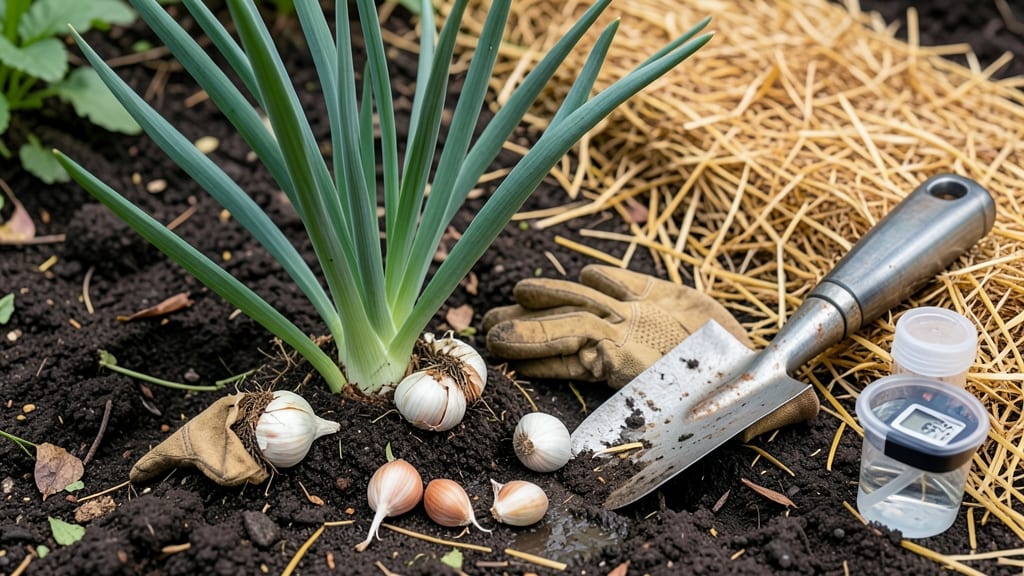
Timing your 🧄 garlic planting in NH could mean the difference between a thriving crop and a lost investment—especially when winters arrive early and frost sneaks in by November.
If you've ever wondered why some gardeners swear by fall planting while others wait until spring, the answer lies in New Hampshire's unique climate and the hardy varieties that perform best here.
Planting 🧄 garlic in mid-to-late fall (October-November) gives it a head start, allowing roots to establish before the ground freezes. But with USDA zones 5a-6b and unpredictable weather, getting the timing right is everything.
I'll walk you through the exact frost-free window that works for NH, plus which varieties handle our winters like champs.
What you'll discover is that the key isn't just about when to plant—it's about preparing your soil, choosing the right cloves, and knowing when to harvest before the heat of summer sets in.
Whether you're a first-time gardener or a seasoned grower, these insights will help you avoid common mistakes and maximize your harvest.
Let's dive into the best planting timeline, top-performing varieties for NH's climate, and the critical steps to ensure your 🧄 garlic survives—and thrives—through winter. Your future meals (and bragging rights) will thank you.
Best planting timeline for garlic in New Hampshire’s climate
New Hampshire’s USDA Zones 5a-6b create unique challenges for garlic growers, with cold winters and short frost-free windows. Unlike warmer climates, NH gardeners must plant garlic in fall or early spring to survive harsh conditions.
Timing is everything—plant too early, and your cloves may sprout prematurely; too late, and they won’t establish roots before winter.
The ideal planting window for NH is between mid-October and mid-November, giving garlic cloves time to root before the ground freezes. This aligns with NH’s average first frost date of mid-October in inland areas and slightly later in coastal regions.
For a spring harvest, this fall planting is critical—it’s the only way to ensure bulbs mature before summer’s end.
If you miss fall planting, don’t despair—NH’s climate also allows for a spring planting option between March 15 and April 15. However, spring-planted garlic typically yields smaller bulbs and may not store as well. This method works best if you’re growing garlic for immediate use rather than long-term storage.
🌱Key Consideration: NH’s microclimates matter! Coastal areas like Portsmouth experience milder winters, allowing for a 2-week later planting window (late October to early November). Inland regions like White Mountains should plant by mid-October to avoid winter kill.
📅 NH Garlic Planting Timeline Comparison
| Planting Window | Soil Temperature | Best For | Harvest Time |
|---|---|---|---|
| Mid-October - Mid-November (Fall) | 45°F - 55°F | Large bulbs, storage | Late June - July |
| March 15 - April 15 (Spring) | 50°F - 60°F | Small bulbs, fresh use | August - September |
| Coastal NH (2 weeks later) | 48°F - 58°F | Milder winters | Late June - July |
⚠️ Pro Tip: Use a soil thermometer to confirm temperatures—garlic roots need consistent 45°F+ to establish.
For fall planting success, aim to plant 4-6 weeks before your region’s average first hard frost. Check the NH Agricultural Experiment Station or local Cooperative Extension Service for your specific frost dates.
In most of NH, this means planting by October 15 for inland areas and November 1 for coastal zones.
Soil preparation is just as critical as timing. NH’s acidic, rocky soil often needs amendment with compost or aged manure to achieve the ideal pH of 6.0-7.0.
Work in 2-3 inches of organic matter before planting to improve drainage and nutrient availability. Garlic hates soggy soil, so raised beds work well in NH’s wetter regions.
Once planted, mulch heavily with straw or leaves (4-6 inches) to insulate bulbs through winter. This protects against freeze-thaw cycles and prevents heaving. In NH’s Zone 5a areas, mulch can mean the difference between survival and loss—don’t skip this step!
🌿Remember: Garlic planted in fall will sprout next spring, but the bulbs won’t form until late spring/early summer. Patience is key—NH’s short growing season means you’ll need to resist the urge to harvest early.
Wait until lower leaves brown (usually late June) for the best flavor and storage life.
Best planting timeline for garlic in New Hampshire’s climate
New Hampshire’s USDA zones 5a-6b mean garlic must be planted at the perfect time to survive harsh winters and thrive in short summers. The ideal window is mid-October to mid-November, when soil temperatures drop but haven’t frozen yet. This gives roots time to establish before dormancy sets in.
For coastal regions (like Portsmouth), milder winters allow planting until late November. Inland areas (e.g., White Mountains) should plant by early November to avoid ground freeze. A soil thermometer helps—aim for 40–50°F at planting depth.
| Region | Best Planting Window | Soil Temp Goal | Key Consideration |
|---|---|---|---|
| Coastal NH | Late Oct–Mid-Nov | 45–50°F | Warmer microclimates extend window |
| Inland NH | Mid-Oct–Early Nov | 40–45°F | Faster freeze—plant earlier |
| Northern NH (Zone 5a) | Early Oct–Mid-Oct | 38–42°F | Shortest growing season—prioritize early planting |
Spring planting is possible in March–April for a summer harvest, but yields are 50% smaller than fall-planted garlic. If trying this method, use hardneck varieties (they tolerate cooler soils) and plant as soon as soil workable.
Mulch heavily with straw or leaves (4–6 inches) after planting to insulate bulbs through winter. Remove mulch in early spring to prevent rot. Avoid organic mulches like grass clippings—they mat down and suffocate plants.
Test soil pH before planting—garlic thrives in 6.0–7.0. NH’s acidic soils often need lime (apply 2–3 months before planting). Work in compost or aged manure to improve drainage, as waterlogged soil causes rot.
Mark your calendar for late June–July harvest when lower leaves brown. Hardneck varieties (like ‘German White’) mature first, followed by softnecks. Rush harvests by pulling and drying bulbs indoors if rain delays outdoor curing.