
Planting
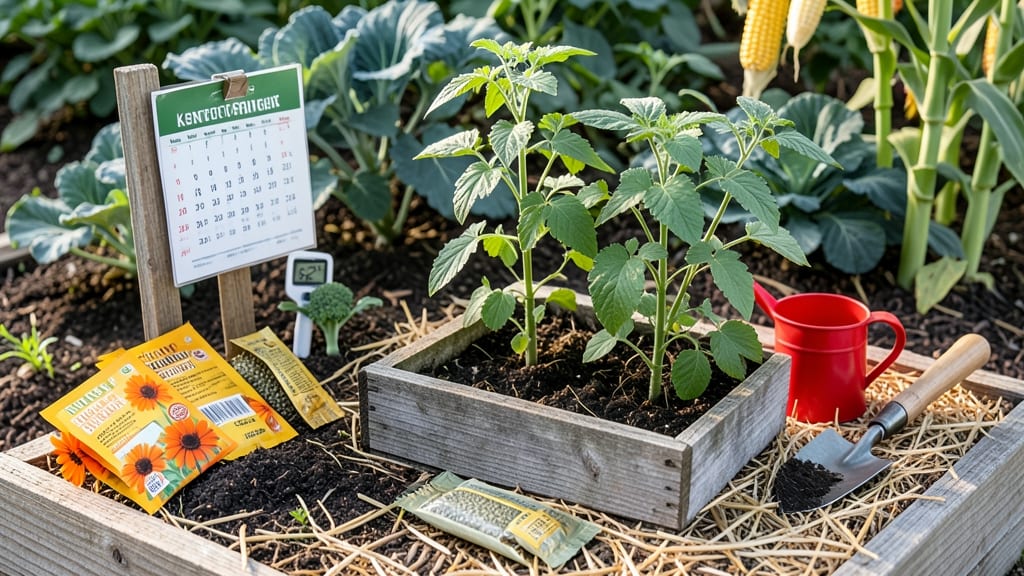
Timing your garden planting in Kentucky isn’t just about following a calendar—it’s about outsmarting Mother Nature’s unpredictable mood swings.
With USDA Zone 6a frost dates that can shift dramatically from year to year, getting your 🌱 General Garden Plants in the ground too early or too late means the difference between a bountiful harvest and a sad, frost-nipped disappointment.
Most Kentucky gardeners wait until after the average last frost date (April 15), but that’s just the starting point. The real secret lies in understanding your specific microclimate—whether you’re in Louisville’s urban heat pockets or the cooler Cumberland Plateau—because those 5–10°F differences can change everything.
In this guide, I’ll break down the exact planting windows for your region, show you how to read soil temperatures like a pro, and share backup strategies for those years when spring refuses to cooperate. No more guessing—just confident, science-backed timing that works for Kentucky’s unique growing conditions.
Ready to turn your garden dreams into reality? Let’s get those seeds in the ground at the perfect moment—before the next frost rolls in.
Kentucky’s last frost dates by region: exact timelines for safe planting
Kentucky’s gardening calendar isn’t one-size-fits-all—its five distinct regions can have last frost dates that vary by 2-3 weeks. The Bluegrass Region, home to Louisville, typically sees its final frost around April 15, while the Cumberland Plateau near Corbin might not be frost-free until May 1.
Understanding these regional differences ensures your tomatoes and peppers thrive instead of wilt.
These dates aren’t just guesswork—they’re based on 30-year averages from the USDA Plant Hardiness Zone Map, which places most of Kentucky in zones 6a–7a. However, microclimates—like urban heat islands in Lexington or valley frosts in the Knobs—can shift your planting window by 10 days or more.
For example, a south-facing slope warms up faster than a north-facing lowland, making it safer for warm-season crops.
Below is a region-by-region breakdown of Kentucky’s last frost dates, including historical data and USDA zone correlations to help you plan. Use this as your garden’s starting point, then adjust based on your elevation and local weather patterns.
Pro tip: Bookmark the Kentucky Mesonet for real-time updates on frost risks in your area.
If you’re in zone 6a (like eastern Kentucky), hold off on planting tomatoes or peppers until May 1, even if the air feels warm. These crops need soil temperatures above 60°F, and cool nights can stall growth.
For cool-season crops like lettuce or spinach, you can start as early as March 15 in most regions, but cover them with frost cloth to be safe.
Elevation plays a huge role—every 1,000 feet gain can delay frost by 3–5 days. For example, Redbird (near the Cumberland Plateau) sits at 1,200 feet and often sees frosts 10 days later than Bowling Green, just 500 feet above sea level.
Use these regional guidelines as a baseline, then monitor your local weather station or almanac for adjustments.
Don’t forget about first frost dates, too! Kentucky’s average first frost ranges from October 15 in the north to November 1 in the south. This determines your fall planting window for crops like kale or radishes.
For a 140-day harvest, sow these in late July or early August to beat the frost.
Pro move: Mark your calendar with two key dates—your region’s last frost and the soil warming date (when temps hit 60°F). For Louisville, that’s usually April 20 for soil, even if the last frost was April 15. This ensures your
How to use frost dates + soil temperature for perfect planting timing
Timing your garden isn’t just about guessing when spring arrives—it’s about matching frost dates with soil warmth. In Kentucky, last frost dates vary by region, but even more critical is ensuring your soil is 60°F or warmer for warm-season crops like tomatoes and peppers.
Without this, seedlings can rot or fail to thrive, no matter how late you plant.
Start by checking your local frost-free window using tools like the Kentucky Mesonet or the Old Farmer’s Almanac. These resources provide historical frost data tailored to your county. For example, Louisville’s average last frost is April 15, but Lexington’s can be as late as April 22.
Always wait 2 weeks after the average last frost to be safe—late frosts happen!
⚠️ Warning: Soil Temperature > Frost Dates!
Don’t plant warm-season crops (tomatoes, peppers, cucumbers) just because the air is warm—soil temperature is the real deciding factor. These plants need 60°F+ soil to germinate properly. Use a soil thermometer (available for $10) to check depths of 2–4 inches.
Pro Tip: If your soil is still cold, opt for cool-season crops like spinach or peas, which thrive in 40–50°F soil.
For cool-season crops like lettuce and kale, you can plant as early as February in southern Kentucky or March in northern areas. These hardy greens tolerate light frosts and even 32°F temperatures.
However, if you’re sowing seeds directly, aim for 4–6 weeks before your last frost date to ensure a head start.
Warm-season crops, on the other hand, demand patience. Tomatoes, peppers, and basil should only hit the ground after May 1 in most of Kentucky, but again, soil temperature is key.
If your soil hasn’t warmed up by then, start these plants indoors 6–8 weeks earlier and transplant after the last frost. A simple trick? Place a black plastic mulch over garden beds a few days before planting—it warms the soil 5–10°F faster.
Don’t forget about fall planting! Kentucky’s first frost typically arrives between October 15 and November 1, depending on elevation. For a second harvest, sow cool-season crops 6–8 weeks before your first frost date.
This gives plants enough time to mature before winter sets in. Broccoli, carrots, and radishes are excellent choices for fall gardens.
To stay on track, mark your calendar with these Kentucky planting milestones:
- February–March: Start cool-season seeds indoors or direct-sow hardy greens.
- April (after last frost): Transplant seedlings or direct-sow peas, lettuce, and spinach.
- May (soil at 60°F+): Plant warm-season crops like tomatoes, peppers, and cucumbers.
- July–August: Begin fall planting with broccoli, kale, and carrots.
- September (6–8 weeks before frost): Sow final cool-season crops for a winter harvest.
With these strategies, you’ll avoid the heartbreak of frost-damaged plants and maximize your garden’s potential—no matter where in Kentucky you’re gardening. Happy planting! 🌱