
Trees
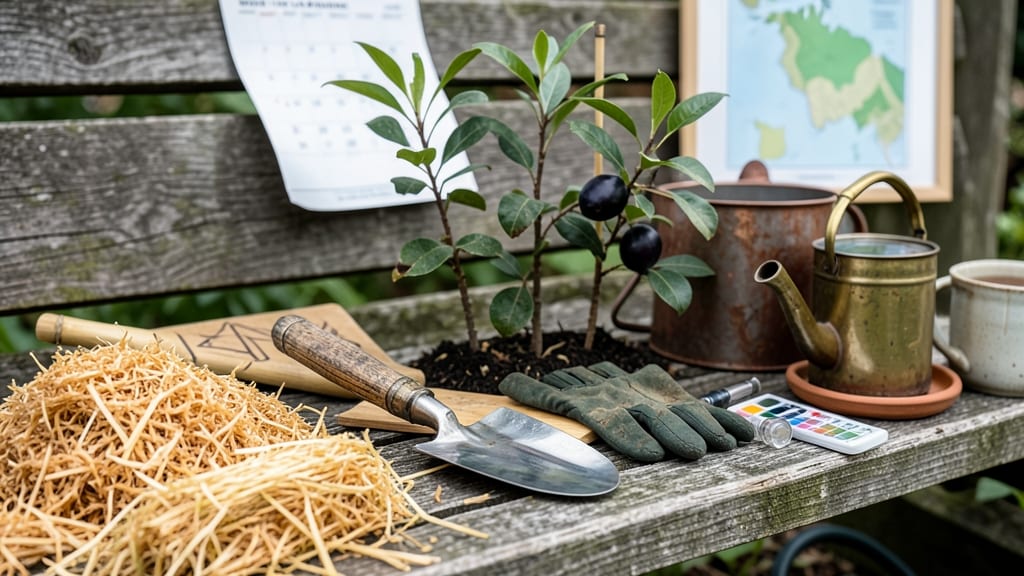
Timing your fruit trees 🍎 planting in South Australia can make the difference between a thriving orchard and years of frustration. The winter-to-early-spring window (June–September) isn’t just a suggestion—it’s when the climate works in your favor, giving roots time to establish before summer heat arrives.
But here’s the catch: not all regions play by the same rules. Adelaide’s cooler hills demand different prep than the Riverland’s warmer plains, where frost risks shift planting deadlines.
I’ll break down exactly when to dig in each zone—plus how to spot the best soil conditions for your specific fruit type.
Whether you’re dreaming of juicy citrus or sweet stone fruits, getting this right means fewer pests, stronger growth, and that first harvest you’ve been waiting for. Let’s make sure your fruit trees start off on the right foot—no guesswork, just proven local wisdom.
Ready to plant with confidence? I’ll walk you through the critical deadlines, regional tweaks, and care steps that’ll set your trees up for success—year after year.
Best planting months for fruit trees by south australian region
South Australia’s diverse climate means the perfect planting window for fruit trees varies dramatically between regions. In cooler highland areas like the Adelaide Hills, you’ll want to plant earlier to avoid late frosts, while warmer inland zones like the Riverland can handle later plantings.
Understanding these regional differences is key to giving your trees the best start.
Most fruit trees thrive when planted during their dormant season, which in South Australia typically runs from June to early September. This timing allows roots to establish before summer heat stress hits. However, citrus varieties are an exception—they prefer spring planting (August-October) to avoid winter chill damage.
Let’s break down the ideal planting months for South Australia’s four key regions, including frost risks and soil prep tips tailored to each microclimate.
| Region | Best Planting Window | Key Climate Notes | Soil Prep Tip |
|---|---|---|---|
| Adelaide Hills | June–July (bare-root) or August–September (container) | Cooler temps, late frost risk until mid-September | Amend clay soils with gypsum and compost |
| Riverland | July–early September (avoid extreme heat) | Hot summers, low winter chill (ideal for peaches) | Test for salinity; add organic matter |
| Fleurieu Peninsula | June–August (bare-root) or September (container) | Moderate climate, coastal breezes reduce frost | Improve drainage with sand if needed |
| Eyre Peninsula | July–August (bare-root) or September–October (citrus) | Dry summers, low rainfall—mulch heavily | Use drip irrigation for establishment |
In the Adelaide Hills, where temperatures can drop below freezing even in spring, planting bare-root trees in June or July gives roots time to establish before the last frost risk around mid-September. For container-grown trees, August or early September works well, as they adapt faster to transplant shock.
The Riverland’s hot summers demand early planting to avoid stress. July and early August are ideal for stone fruits like peaches and plums, while citrus varieties should wait until September to minimize heat exposure. Always water deeply after planting to combat the region’s high evaporation rates.
Coastal areas like the Fleurieu Peninsula benefit from milder winters, making June to August the sweet spot for most fruit trees. The cooler maritime climate reduces frost risks, but wind protection is still crucial for young trees. Plant on the lee side of fences or use windbreaks.
For Eyre Peninsula’s dry conditions, prioritize deep soil preparation and water retention. July and August are best for dormant planting, while citrus and figs can handle September plantings. Mulch with pea straw to lock in moisture and protect roots from summer heatwaves.
Regardless of region, always test your soil’s pH before planting—most fruit trees prefer a slightly acidic to neutral range (6.0–7.0). Adjust with lime (to raise pH) or sulfur (to lower pH) as needed. A well-prepared site sets the stage for strong root growth and abundant fruiting.
Pro tip: If you miss the ideal window, container-grown trees can be planted year-round, but they’ll need extra care during summer to prevent transplant shock. Always water thoroughly after planting and avoid fertilizing for the first 6–8 weeks.
How climate zones affect fruit tree planting success in SA
South Australia’s diverse climate zones (USDA 8a-9b) mean your fruit tree’s success hinges on matching varieties to local conditions. For example, stone fruits like peaches and nectarines need 200-400 hours of winter chill—plenty in the Adelaide Hills but risky in the Riverland’s warmer zones.
Meanwhile, citrus trees thrive year-round in Eyre Peninsula where frost is rare.
Understanding these zones helps you avoid costly mistakes. Peach trees planted in Zone 9b (Riverland) may fail to fruit without proper chill hours, while figs and olives in cooler Adelaide Hills could struggle with heat stress.
Always check your local frost-free days—most of SA averages 200-270 days, but microclimates vary wildly.
Your tree’s chill requirements are the #1 factor for fruiting success. Peaches need 300+ hours below 7°C, while apples thrive with 500-800 hours. Use this rule: cooler zones = more chill hours.
For example, Adelaide Hills meets peach needs, but Riverland may require low-chill varieties like ‘Redhaven’ or ‘Sanguine.’
Heat tolerance is equally critical. Citrus trees in Zone 9b+ can handle summer temps up to 40°C, but stone fruits may need afternoon shade in Riverland’s intense sun. Always choose locally adapted varieties—ask your nursery for SA-specific cultivars like ‘Granny Smith’ apples (cold-hardy) or ‘Meyer lemon’ (heat-tolerant).
Don’t overlook soil and wind interactions with climate. Sandy soils in Eyre Peninsula dry out fast, so mulch heavily and water deeply. Meanwhile, Adelaide’s clay soils retain moisture but can suffocate roots—amend with gypsum or compost before planting.
Wind exposure also varies: coastal areas (Fleurieu) need windbreaks, while inland zones may face hot, dry winds that stress young trees.
Pro tip: Use microclimate maps from SA’s Bureau of Meteorology to pinpoint your exact conditions. For instance, McLaren Vale’s coastal influence creates a unique zone where citrus and stone fruits can coexist—something impossible just 30km inland.
Adjust your planting timeline by 1-2 months if your microclimate differs from the regional average.