
Flowers
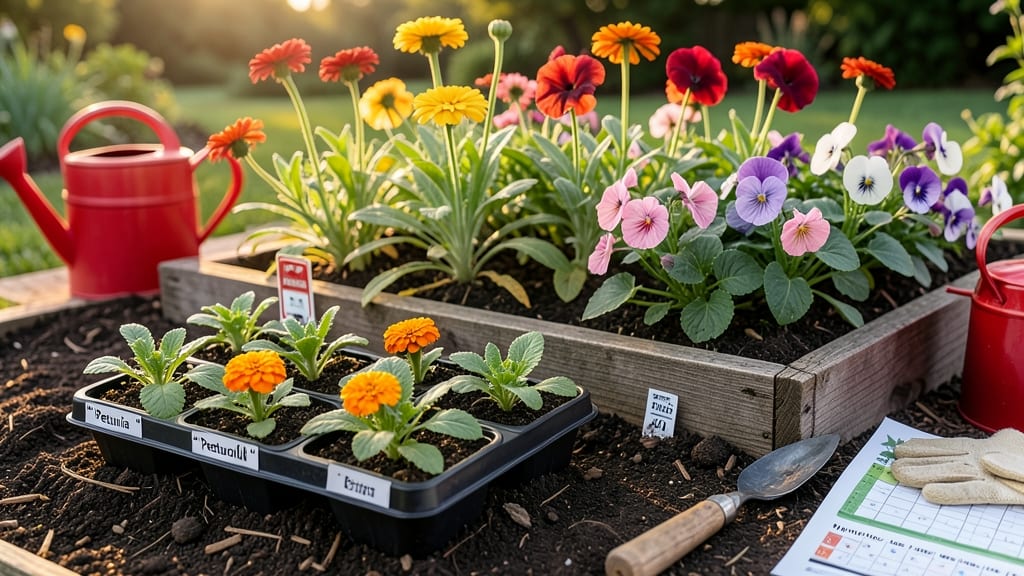
When to plant flowers in Philadelphia is all about timing—get it right, and your garden will burst into color; get it wrong, and you’ll be left with wilting blooms or missed seasons. With USDA Zone 7a’s unpredictable spring weather, planting too early can leave your 🌸 vulnerable to late frosts, while waiting too long might cut your blooming season short.
I’ve spent years perfecting my Philly garden schedule, and the key is knowing those critical deadlines—like when to tuck in tender annuals after the last frost or when fall perennials can still thrive before winter sets in.
Whether you’re dreaming of vibrant spring bulbs or summer-long color, getting the timing right ensures your garden thrives all season.
In this guide, I’ll break down the exact planting windows for annuals, perennials, and bulbs, so you can avoid common mistakes and maximize your garden’s potential. From early spring prep to fall planting, you’ll learn how to work with Philadelphia’s climate—not against it.
Ready to transform your garden into a year-round blooming paradise? Let’s dive into the perfect planting schedule for your flowers, tailored specifically for Zone 7a’s unique challenges.
Philadelphia’s frost-free planting deadlines by flower type (Zone 7b guide)
Philadelphia’s USDA Zone 7b means your garden has roughly 180 frost-free days—enough for vibrant blooms if you time it right. The average last frost date is April 15, but urban heat pockets (like Center City) may warm up earlier.
To avoid frost damage, wait until soil temps hit 60°F before planting tender annuals.
For cold-hardy perennials and spring bulbs, you can start as early as late February under frost cloth. However, tender annuals like petunias and geraniums must wait until after May 1 for zero risk of frost.
Fall planting for cool-season flowers (like pansies) opens in September once nights dip below 70°F.
Here’s your Philly planting timeline broken down by flower type, with last-minute adjustments for Philly’s unpredictable weather:
| Flower Type | Planting Window | Key Varieties | Pro Tip |
|---|---|---|---|
| Spring Bulbs | Late Sept–Oct (fall) or Feb (spring) | Tulips, Daffodils, Hyacinths | Plant bulbs 6" deep in well-draining soil. |
| Cold-Hardy Perennials | March–April (spring) or Sept (fall) | Coneflowers, Black-Eyed Susans, Lavender | Avoid waterlogged soil—amend with compost. |
| Tender Annuals | After May 1 (or when soil is 60°F) | Marigolds, Petunias, Geraniums | Use frost cloth for 2-week head start. |
| Cool-Season Flowers | September–October (fall) | Pansies, Snapdragons, Kale (ornamental) | Plant 6–8 weeks before first frost (Nov 1). |
| Heat-Tolerant Annuals | June–July (for summer blooms) | Zinnias, Sunflowers, Lantana | Mulch to retain moisture in Philly’s dry summers. |
Pro tip: Philly’s urban heat islands (like near I-95) can push last frost dates 1–2 weeks earlier than rural areas. Monitor local microclimates—your neighbor’s garden might be ready while yours still faces frost risk.
For real-time updates, check the National Weather Service’s Philadelphia forecast or use a soil thermometer.
If you’re eager to start early, container gardening lets you move tender plants indoors during late frosts. Place pots near a south-facing window or under grow lights until outdoor temps stabilize. Just ensure pots have drainage holes to prevent root rot—a common Philly pitfall due to our heavy clay soil.
For succession planting, stagger your sowing every 2 weeks from May through July. This ensures continuous blooms and maximizes your 180 frost-free days. For example, plant cosmos seeds in early May, then again in late June for fall color.
Don’t forget: Philadelphia’s first frost typically hits November 1, but heat-tolerant annuals (like celosia) can bloom until October 15 with proper care. Use row covers to extend the season for sensitive varieties like geraniums.
Always test your soil’s pH (6.0–7.0) and amend with compost before planting. Philly’s alkaline soil can stunt growth—add peat moss or sulfur if needed. A simple soil test kit (available at local nurseries) saves guesswork.
🌸
How to adjust planting dates for Philadelphia’s microclimates (avoid common mistakes)
Philadelphia’s urban heat islands and wind patterns create microclimates that can shift your ideal planting window by 2–3 weeks. For example, Center City stays warmer than Southwest Philly due to concrete and buildings trapping heat.
Always check your specific neighborhood’s frost history—some areas hit 50°F reliably by April 1, while others wait until April 15.
Wind exposure is another game-changer. Exposed yards (like those near the Schuylkill River) dry out faster, so delay planting heat-sensitive annuals like petunias until May 1 instead of April. Use windbreaks like tall sunflowers or bamboo fencing to protect delicate stems.
Soil drainage varies wildly too. Clay-heavy soil in North Philly holds moisture longer, while sandy areas in West Philly dry out quickly. Test your soil’s drainage by digging a 6-inch hole—if water pools after 2 hours, amend with compost or perlite.
For bulbs like tulips, plant them 6 weeks before your area’s first hard frost (usually November 1 in Philly).
Microclimate Mistakes to Avoid
Planting too early in windy areas = frost damage. Overwatering clay soil = root rot. Ignoring heat islands = wilting annuals by July.
Use local resources like the Philadelphia Parks & Rec frost date tracker or Penn State Extension’s soil maps to refine your schedule. For container gardening, you can plant 2 weeks earlier than ground plantings because pots warm up faster.
Just ensure containers have drainage holes to prevent soggy roots in Philly’s humid summers.
If you’re unsure, start with cold-hardy annuals like pansies or snapdragons in early April—they’ll survive light frosts and give you instant color while you wait for warmer weather. For perennials, fall planting (late September–October) lets roots establish before winter, giving you a head start next spring.
Pro tip: Label your plants with their planting dates and variety names. This helps you track which flowers thrive in your microclimate and which need adjustments next year. Over time, you’ll fine-tune your schedule to match Philly’s quirks—no more guessing!